Toggle Categories
Get Instant Support
Choose your preferred way to connect with our team
-
Get Free Quote Fill out form for detailed pricing
-
Send Email Detailed inquiry support
-
WhatsApp Quick mobile chat
Response Time
Within 8 hours on working days, 24 hours on holidays










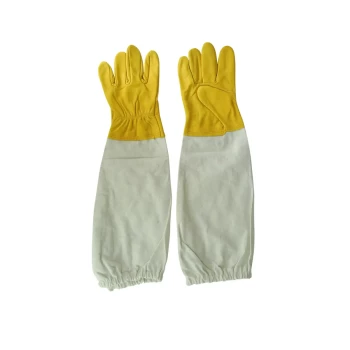
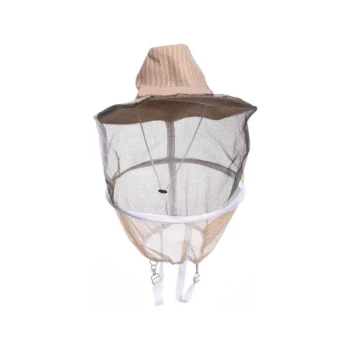
Protective Gear













Beeswax Processing Equipment




Pollen & Propolis & Royal Jelly Processing
Hive & Frame Making Machines

Products

Beeswax Melter for Candle Making Honey Bee Wax Melter
Item Number: BWM-4

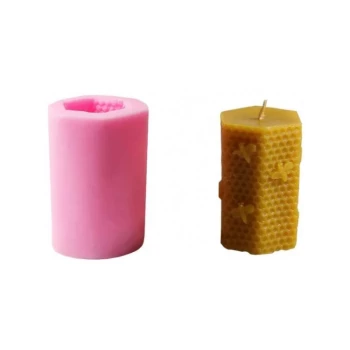
Notebook Style Beeswax Foundation Mould Wax Foundation Mold
Item Number: WFM-8

Fully Automatic Beeswax Embossing Machine Foundation Mill
Item Number: WFM-1

Manual Beeswax Comb Foundation Machine Wax Foundation Mill Embossing Machine
Item Number: WFM-2

Manual Beeswax Flat Sheet Machine for Beeswax Processing
Item Number: WFM-3

Economy Manual Beeswax Embossing Mill Wax Foundation Machine Roller
Item Number: WFM-4


Electric Beeswax Flat Sheet Machine with Operating Tray for Wax Processing
Item Number: WFM-6

Electric Flatting and Embossing Machine with Tray for Beekeeping
Item Number: WFM-7

Australian Langstroth Beehive Boxes for Beekeeping Wholesales
Item Number: LBH-2

Wholesales Dadant Size Wooden Bee Hives for Beekeeping
Item Number: LBH-3

Top Bar Beehive for Beekeeping Wholesales Kenya Top Bar Hive
Item Number: LBH-4

Long Langstroth Style Horizontal Top Bar Hive for Wholesale
Item Number: LBH-5

Professional Insulated Plastic Bee Hives
Item Number: LBH-8

Australian Pine Wood Langstroth Screen Bottom Board for Wholesale
Item Number: HBB-4


Langstroth Screen Bottom Board for Beekeeping Wholesale
Item Number: HBB-2

Langstroth Solid Bottom Board for Beekeeping
Item Number: HBB-1

Langstroth Honey Bee Box Hive Boxes for Different Depths
Item Number: BHB-1

Inner Beehive Cover for Beekeeping Bee Hive Inner Cover
Item Number: BHC-2


Wooden Bee Hive Frames for Beekeeping and Wholesale
Item Number: BHF-1

Plastic Bee Frame Beekeeping Hive Frames for Wholesale
Item Number: BHF-5

Stainless Steel Bee Hive Frame Wire for Beekeeping
Item Number: BF-W

Copper Bee Frame Eyelets for Beekeeping
Item Number: BF-E

Beeswax Foundation Sheets Beehive Foundation for Wholesale
Item Number: BFS-1

Food Grade Plastic bee Foundation for Bee Frames
Item Number: PFS-1

Wooden Queen Bee Excluder for Beekeeping
Item Number: QE-1

Economy Galvanized Beekeeping Honey Bee Smoker for Wholesale
Item Number: BS-4

54-Piece Smoker Fuel Pellets for Beekeeping Beehive Smoker Fuel
Item Number: BS-F
REQUEST A QUOTE
Our professional team will reply to you within one business day. Please feel free to contact us!
Related Articles
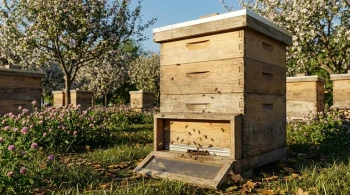
How Langstroth Hive Design Optimizes Bee Colony Growth and Honey Production
Learn how Langstroth hive design boosts bee colony growth, prevents swarming, and maximizes honey production through modular scalability.
How Auto Flow Beehives Transform Honey Harvesting Through Stress-Free Design
Auto Flow Beehives revolutionize honey harvesting with stress-free design, boosting yields & hive health. Discover the future of beekeeping.
Bee-Friendly Honey Harvesting: Maximizing Yield While Safeguarding Your Langstroth Hive
Learn bee-friendly honey harvesting techniques for Langstroth hives—maximize yield while safeguarding colony health with expert-approved methods.
How to Choose the Right Beehive: A Practical Guide for Every Beekeeper
Learn how to choose the right beehive—Langstroth, Top Bar, or Warre—based on your environment, goals, and budget for thriving beekeeping.
How Wooden Beehive Components Work Together for Optimal Honey Production
Learn how wooden beehive components like brood chambers, honey supers, and queen excluders optimize honey production for commercial beekeepers.
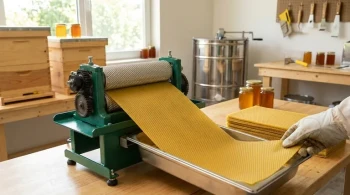
How Beeswax Foundation Machines and Smart Equipment Transform Beekeeping Efficiency
Discover how beeswax foundation machines and smart beekeeping equipment enhance efficiency, colony health, and honey production for commercial apiaries.
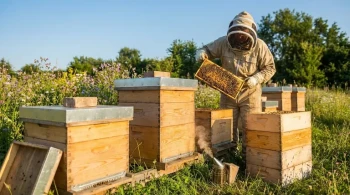
Mastering Seasonal Langstroth Hive Management: Timelines, Techniques, and Troubleshooting
Optimize Langstroth hive productivity year-round with seasonal management tips for brood boxes, honey supers, and swarm prevention.
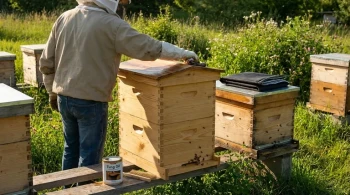
How to Protect Hive Roofs Sustainably: Tung Oil Techniques and Maintenance Strategies
Learn sustainable hive roof protection using tung oil—non-toxic, durable, and bee-safe. Tips for installation, maintenance, and warping prevention.
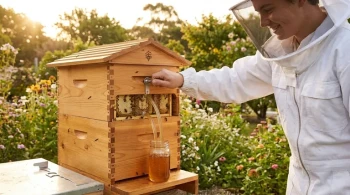
How Flow Hive Supports Bee Welfare While Simplifying Beekeeping for Beginners
Flow Hive revolutionizes beekeeping with non-invasive honey harvesting, supporting bee welfare and simplifying the process for beginners.
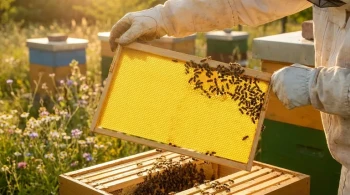
How Precision-Engineered Beeswax Sheets Boost Hive Health and Honey Production
Discover how precision-engineered beeswax sheets enhance hive health, boost honey production, and reduce beekeeping costs with uniform cell depth.

Flow Hive Beekeeping Mastery: Advanced Strategies to Safeguard Your Colony
Master Flow Hive beekeeping with advanced strategies to prevent colony collapse. Learn inspection routines, monitoring tools, and common pitfalls.
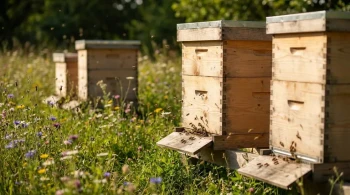
Why Wooden Beehives Outperform Modern Alternatives: A Science-Backed Guide for Beekeepers
Discover why wooden beehives outperform modern alternatives with superior insulation, breathability, and durability for thriving bee colonies.
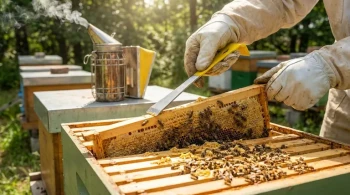
The Beekeeper’s Guide to Hive Tools: How to Choose and Use Them for Efficient Apiary Management
Learn how to choose and use hive tools for efficient beekeeping. Discover material, design, and maintenance tips for smooth apiary management.
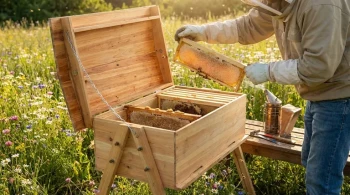
How to Optimize Honey Storage in Top Bar Hives for Healthier Colonies
Learn how to optimize honey storage in top bar hives for healthier bee colonies with strategic comb placement and seasonal adjustments.
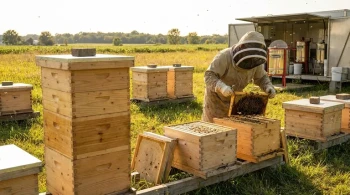
How the Langstroth Hive Solves Beekeeping Challenges for Hobbyists and Professionals
Discover how the Langstroth hive enhances beekeeping efficiency for hobbyists and professionals with its scalable, standardized design.
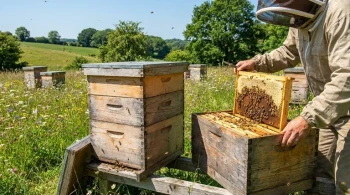
How Beekeepers Can Optimize Hive Productivity Through Strategic Component Use
Learn how beekeepers optimize hive productivity with strategic brood chamber and honey super use to prevent swarming and boost honey yields.
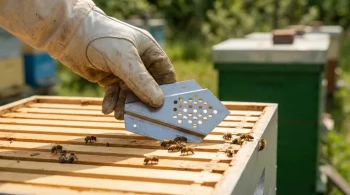
How to Clear Bees from Frames Without Compromising Honey Quality or Colony Health
Learn ethical methods to clear bees from frames without harming honey quality or colony health. Essential for commercial beekeepers.
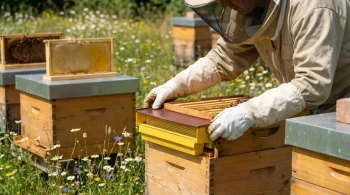
Beyond the Basics: Strategic Equipment Upgrades for Healthier Beehives
Upgrade your beekeeping equipment with strategic tools like slatted bottom boards, English-style covers, and pollen traps for healthier hives.
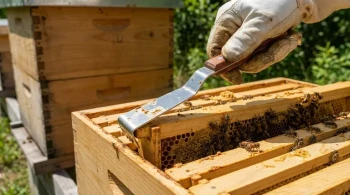
How to Use Hive Tools Without Damaging Your Apiary: A Beekeeper’s Guide
Learn how to use hive tools safely to protect your apiary. Avoid frame damage, reduce bee stress, and improve efficiency with expert tips.
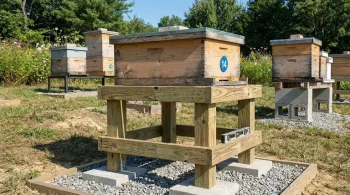
How to Choose and Maintain Hive Stands for Healthier Bee Colonies
Learn how to choose and maintain hive stands to protect bee colonies from moisture, pests, and instability for healthier hives.