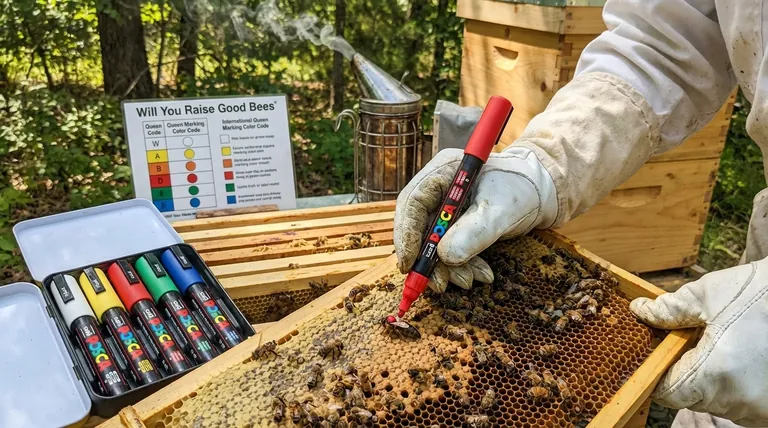
Queen bee marking isn’t just about identification—it’s a proactive strategy to sustain hive health and prevent productivity drops. By tracking queen age through standardized color codes, beekeepers can make data-driven decisions about queen replacement, ensuring consistent egg production and colony strength. Here’s how to implement this system effectively.
Queen Bee Marking and Age Tracking
The Science of Queen Longevity and Egg Production Decline
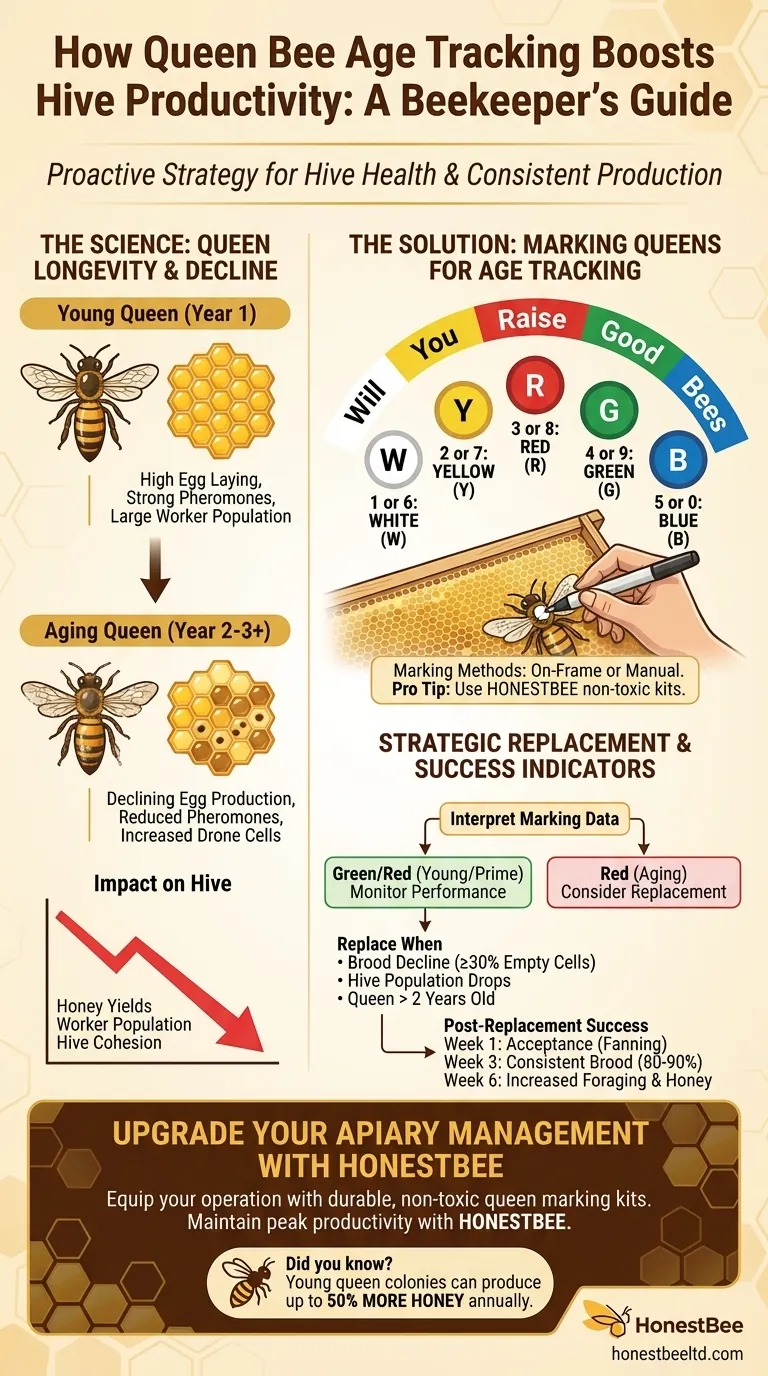
Queen bees typically live 2–3 years, but their egg-laying capacity declines significantly after the first year. Research shows that older queens produce fewer fertilized eggs, leading to smaller worker bee populations and reduced honey yields.
Key indicators of aging queens:
- Irregular brood patterns (spotty or incomplete cells)
- Declining pheromone output, which disrupts hive cohesion
- Increased drone production (a sign of sperm depletion)
Marking queens with age-specific colors helps beekeepers monitor these changes objectively.
Step-by-Step Guide to Marking Queens for Age Identification
The international color-coding system follows the mnemonic "Will You Raise Good Bees":
| Year Ending | Color | Mnemonic Letter |
|---|---|---|
| 1 or 6 | White | W |
| 2 or 7 | Yellow | Y |
| 3 or 8 | Red | R |
| 4 or 9 | Green | G |
| 5 or 0 | Blue | B |
Marking methods:
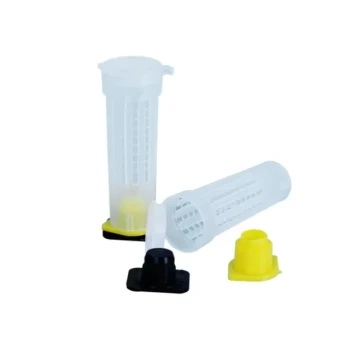
- On-Frame Marking: Dab paint on the queen’s thorax as she walks on a frame (least invasive).
- Manual Marking: Gently restrain the queen between thumb and index finger, then apply a dot of non-toxic paint.
Pro Tip: Use water-based markers or specialized queen bee paint from trusted suppliers like HONESTBEE to avoid harming the queen.
Strategic Queen Replacement Protocols
Interpreting Marking Data for Timely Replacement
A marked queen’s color reveals her approximate age. For example:
- A green-marked queen (year ending in 4 or 9) in 2024 is likely in her prime.
- A red-marked queen (year ending in 3 or 8) in 2024 may need replacement soon.
Replace queens when:
- Brood patterns show decline (≥30% empty cells)
- Hive population drops noticeably
- The queen is >2 years old (unless exceptional productivity is observed)
Post-Replacement Hive Monitoring and Success Indicators
After introducing a new queen, track these signs of success:
- Within 1 week: Worker bees fanning queen pheromones (acceptance signal).
- Within 3 weeks: Consistent brood patterns in 80–90% of frames.
- Within 6 weeks: Increased foraging activity and honey stores.
Did you know? Colonies with younger queens can produce up to 50% more honey annually than those with aging queens.
Upgrade Your Apiary Management with HONESTBEE
Equip your beekeeping operation with durable, non-toxic queen marking kits and hive monitoring tools. Designed for commercial apiaries and distributors, HONESTBEE’s supplies help you maintain peak hive productivity—season after season. Explore our wholesale solutions today.
By integrating queen age tracking into your hive inspections, you’re not just identifying bees—you’re safeguarding the future of your apiary.
Visual Guide
Related Products
- Plastic Long Marker Device for Catching and Marking Bees Queen Bee Marking Tube and Cage
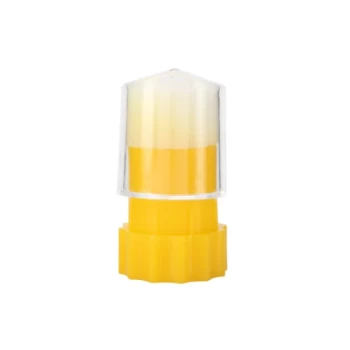
- Queen Bee Marking Tube Cage Bottle Catcher Holder with Clear Plastic Plunger Marker
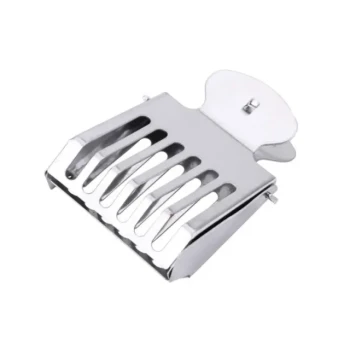
- Heavy Duty Stainless Steel Queen Bee Catcher Clip
- Durable Galvanized Steel Spring Queen Bee Cage
- Queen Bee Catcher Plastic Bee Marker Bottle with Piston Marking Tube
Related Articles
- How to Mark Queen Bees Safely: Tools and Techniques for Hive Success
- How to Mark Queen Bees Safely Using the 5-Year Color Code System
- How to Mark Queen Bees Safely: Balancing Efficiency and Colony Health
- How Queen Bee Marking Transforms Hive Management: A Beekeeper's Guide
- How to Mark Queen Bees Without Stressing Your Colony: Precision Techniques for Beekeepers