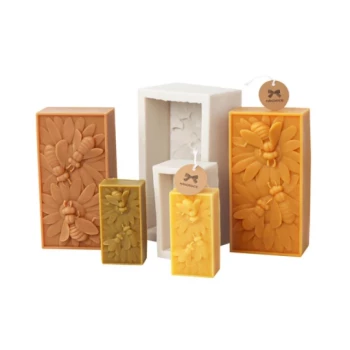
For beekeepers and crafters, beeswax is a valuable resource—but impurities like honey residue, pollen, or debris can compromise its usability. Cleaning beeswax effectively requires balancing thorough purification with safety measures to maintain its natural benefits. This guide covers proven methods to achieve pure, reusable beeswax while avoiding common pitfalls.
Beeswax Cleaning Essentials
Why Water and Heat Are the Foundation of Purification
Beeswax melts at around 145°F (63°C), making heat the most efficient way to separate impurities. However, improper heating can degrade wax quality or pose fire risks. Here’s how to do it right:
-
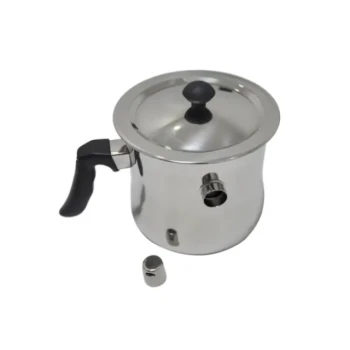
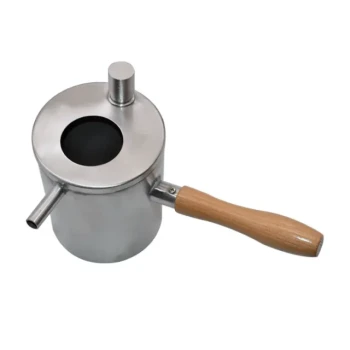
Double Boiler Method:
- Indirect heat prevents scorching. A water bath keeps temperatures stable, ideally below 212°F (100°C).
- Research shows this method preserves wax’s natural aroma and color better than direct heat.
- Tip: Use a dedicated boiler to avoid cross-contamination with food-grade equipment.
-
Straining Basics:
- Layer cheesecloth or a fine mesh sieve over your melting container to catch debris.
- For heavily soiled wax, repeat straining with progressively finer filters.
Advanced Techniques for Stubborn Impurities
Some contaminants, like propolis or dark discoloration, require extra steps:
-
Solar Melting:
- Place wax in a glass jar or solar melter. Sunlight gently liquefies wax while letting debris settle.
- Best for small batches; slower but avoids overheating.
-
Water Washing:
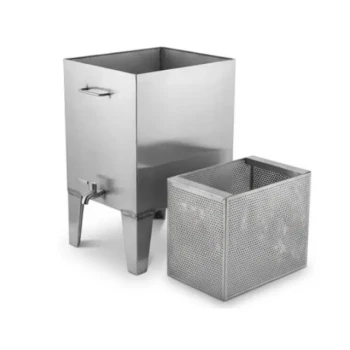
- After melting, pour wax-and-water mixtures into a settling container. Impurities sink or float for easy removal.
- Caution: Hard water can leave mineral deposits; distilled water is preferable.
Troubleshooting Common Cleaning Challenges
| Issue | Solution |
|---|---|
| Cloudy wax | Re-melt with distilled water; minerals may be trapped. |
| Darkened wax | Filter multiple times or use activated charcoal (food-grade). |
| Persistent odor | Add baking soda during melting (1 tsp per pound of wax). |
Did you know? Overheating is the top cause of discoloration. Monitoring temperature with a candy thermometer helps maintain optimal conditions.
Safety and Preservation Best Practices
Preventing Hazards
- Temperature Control: Never exceed 200°F (93°C). Beeswax ignites around 400°F (204°C).
- Safety Gear: Wear gloves and long sleeves to protect against splashes.
- Ventilation: Work in a well-ventilated area to avoid fume buildup.
Storage Tips
- Keep cleaned wax in airtight containers away from sunlight to prevent brittleness.
- Label batches by purity level (e.g., “filtered once” vs. “double-filtered”).
Upgrade Your Beekeeping Workflow with HONESTBEE
For commercial apiaries and distributors, efficiency is key. HONESTBEE’s professional-grade melting systems ensure consistent, safe wax purification at scale. Explore our wholesale-focused solutions to streamline your process—because pure wax starts with the right tools.
Final Thought: Clean beeswax isn’t just about removing dirt; it’s about preserving a natural material that supports sustainable crafting and beekeeping alike. With these methods, you’ll extend its lifespan while safeguarding quality.
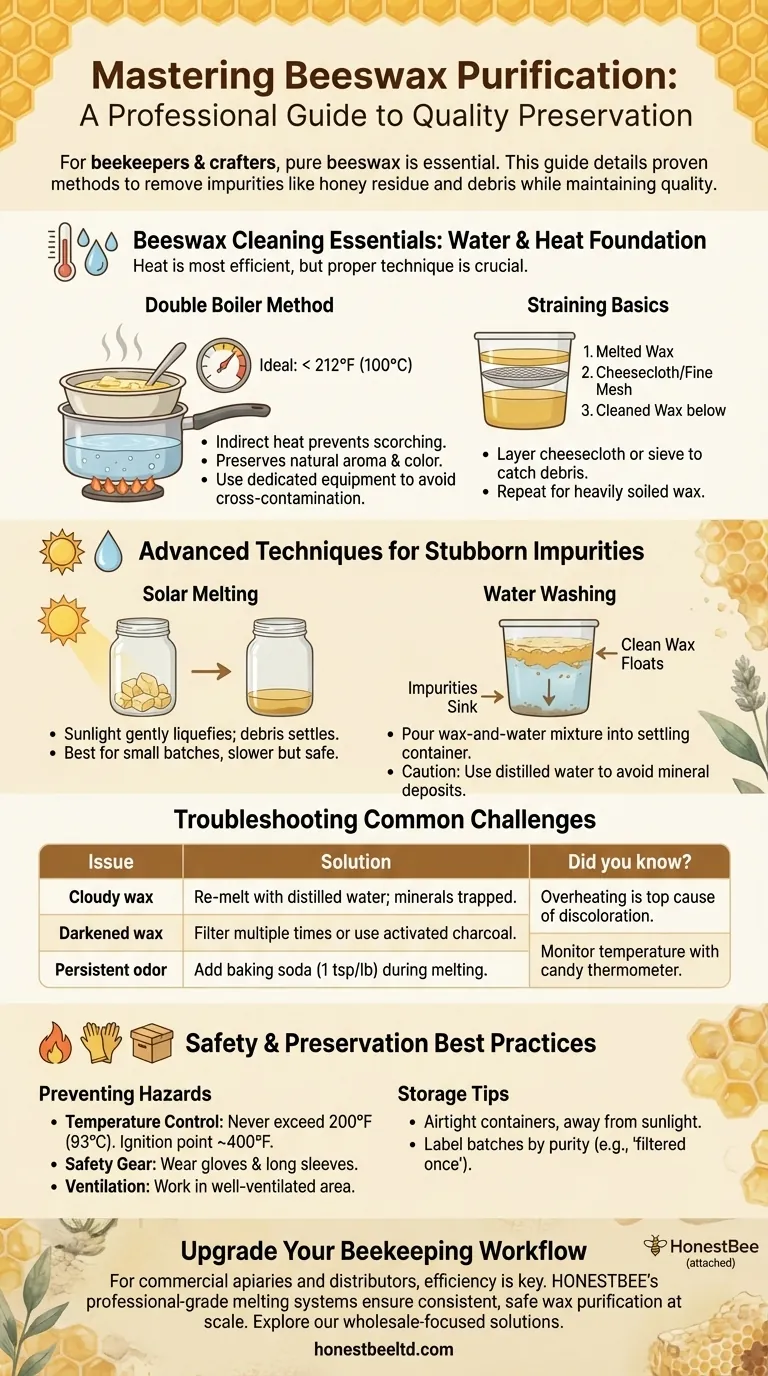
Visual Guide
Related Products
- Beeswax Machine Press Embosser Wax Foundation Mold Printer Bee Hive Equipment Making Sheet
- Beeswax Foundation Sheets Beehive Foundation for Wholesale
- Colorful Silicone Beeswax Foundation Mold Mould for Beekeeping
- Economy Manual Beeswax Embossing Mill Wax Foundation Machine Roller
- Electric Beeswax Flat Sheet Machine with Operating Tray for Wax Processing
Related Articles
- Why Your In-House Beeswax Foundation is Failing Your Business—And How to Fix It
- Beyond the Embosser: The Systems Thinking Behind Perfect Beeswax Foundation
- How Beeswax Foundation Machines Transform Beekeeping Efficiency
- How Beeswax Foundation Machines and Smart Equipment Transform Beekeeping Efficiency
- Why Your Beeswax Foundation Fails: The Hidden Physics Behind Embossing