Effective hive management relies on observation, not a calendar. You should refrain from adding honey supers or a second hive body until the colony has successfully drawn out at least seven of the ten frames in their current setup. Expanding before this specific density is reached can overextend the colony's resources and compromise their ability to manage the hive.
Expansion is a balance between space and strength. Always wait until the colony has utilized 70% of the existing frames (7 out of 10) to ensure the bees are populous enough to heat, patrol, and protect the new area.
The Principles of Hive Expansion
The "7 out of 10" Rule
The decision to expand is dictated by the bees' progress, specifically regarding comb construction.
You must wait until the bees have drawn out comb on seven frames within the ten-frame box. This visual cue confirms the population is dense enough to require and utilize more room.
Managing Internal Space
Adding space is not merely about stacking boxes; it is about the colony's ability to steward that space.
If you expand too early, the colony may lack the numbers to properly manage the interior environment. By waiting for the 7-frame threshold, you ensure the colony is strong enough to protect the additional space from intruders and maintain necessary hive conditions.
Strategic Patience in the First Year
Prioritizing Survival Over Harvest
During a colony's first year of establishment, your goal should be stability rather than production.
Standard practice dictates that you should generally not harvest honey during this initial season. The bees produce honey as a vital energy source for their own survival, specifically to fuel them through the winter.
Ensuring Winter Reserves
Beekeepers must prioritize the colony's nutritional needs above human consumption.
Before utilizing any extraction systems, you must verify the bees have a sufficient surplus. In the first year, almost all production should remain in the hive to guarantee successful overwintering.
Essential Management Routines
The Inspection Schedule
To catch the exact moment the colony is ready for expansion, you need a consistent schedule.
Perform a hive inspection every seven to ten days. This interval allows you to monitor colony health and check frame utilization without excessively disturbing the bees.
Supporting Colony Health
Space management is only one part of the equation; environmental support is also required.
Ensure the bees have continuous access to clean, shallow water. Furthermore, you must actively protect the hive from pests and predators that might exploit a colony, especially one trying to defend a large space.
The Risks of Expanding Too Early
Vulnerability to Pests
An over-expanded hive has too much empty real estate for the bees to patrol effectively.
When the bee-to-space ratio is too low, pests like wax moths or hive beetles can establish themselves in the unguarded frames. Keeping the hive tight (until the 7-frame mark) concentrates the colony's defensive force.
Thermal Inefficiency
Bees must maintain a specific internal temperature to raise brood and draw wax.
Adding a large, cold volume of space to a small colony forces them to expend excessive energy heating the new area. This stress can slow down their development rather than encourage it.
Making the Right Choice for Your Goal
To ensure the longevity of your apiary, align your actions with the developmental stage of your colony.
- If your primary focus is colony establishment: Do not harvest honey in the first year; focus on allowing the bees to build up winter stores.
- If your primary focus is timely expansion: Inspect the hive every 7 to 10 days and only add a box when 7 of the 10 frames are fully drawn out.
Successful beekeeping requires you to work at the pace of the colony, ensuring they are strong enough to hold the ground you give them.
Summary Table:
| Feature | Recommendation | Why It Matters |
|---|---|---|
| Expansion Trigger | 7 out of 10 frames drawn | Ensures enough bees to patrol and heat new space |
| Inspection Frequency | Every 7–10 days | Monitors growth without over-disturbing the colony |
| First Year Harvest | Avoid harvesting | Prioritizes honey stores for winter survival |
| Water Access | Constant shallow source | Essential for cooling and hive maintenance |
| Early Expansion Risk | Pest vulnerability | Prevents wax moths and hive beetles from nesting |
Scale Your Apiary with HONESTBEE Professional Equipment
Timing your expansion is only half the battle—having the right tools is the other. HONESTBEE supports commercial apiaries and distributors with premium wholesale solutions designed for growth. Whether you are scaling up with our specialized hive-making and honey-filling machinery or stocking essential beekeeping tools and consumables, we provide the industrial-grade hardware you need to succeed.
From durable hive bodies to honey-themed cultural merchandise, we deliver the quality your bees deserve. Contact us today to explore our full catalog and see how we can streamline your commercial operations.
Related Products
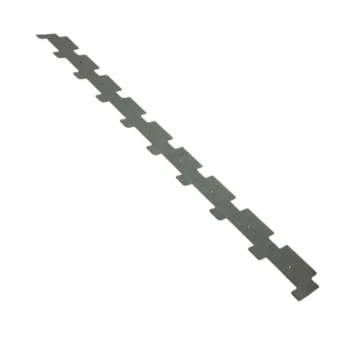
- Heavy Duty Castellated Iron Frame Spacer for Honey Supers
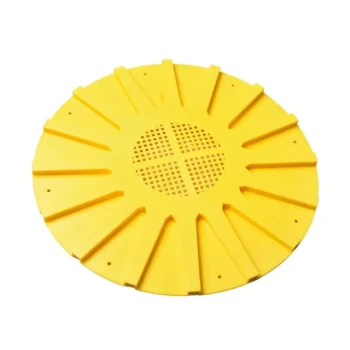
- Durable 16 Way Circular Bee Escape for Efficient Honey Harvesting
- Digital Honey Refractometer for Precision Measurement of Optimal Honey Quality
- Precision Honey Refractometer Instrument for Quality Assessment
- Professional Plastic Honey Dipper for Easy Honey Drizzling
People Also Ask
- What are honey super frames and what foundation options are available? Choose the Best Support for Your Bees
- What are the reasons and drawbacks of using nine frames in a ten-frame honey super? Boost Extraction Speed Today
- What are honey super frames and how many are needed per box? A Beekeeper's Essential Guide
- What are honey super frames and their foundation options? Choose the Best Support for Your Hive's Honey Production
- Why might a beekeeper use fewer than the standard number of frames in a honey super? Boost Extraction Efficiency