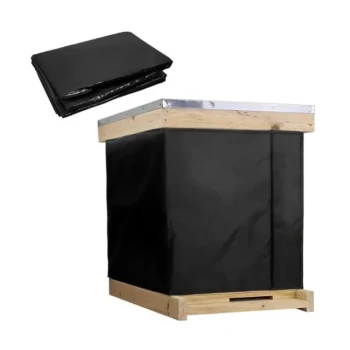
While hive insulation is technically capable of slowing heat transfer, it is rarely the most effective primary strategy for cooling a beehive. Insulation is predominantly utilized to protect colonies from extreme cold rather than to lower internal temperatures during summer months. For effective heat management, industry best practices prioritize environmental controls and airflow over adding physical insulation layers.
Core Takeaway: Rather than relying on insulation to cool a hive, you should focus on managing the hive's external environment. Providing shade, increasing ventilation, and ensuring access to water are the standard, proven methods for helping bees regulate their colony temperature.
The Role of Insulation in Temperature Control
The Function of Thermal Barriers
Insulation acts as a barrier that slows the movement of heat. In winter, this keeps the warmth generated by the bee cluster inside the hive.
The Limitation in Summer
In the summer, this same barrier effect can be counterproductive. While it may stop some solar heat from penetrating the hive walls, it can also trap the metabolic heat generated by the bees themselves.
The Exception for Extreme Climates
There is a specific exception to the general rule against summer insulation. If you are located in an extremely hot climate where ambient temperatures far exceed the hive's internal temperature, insulation may help prevent rapid overheating from the outside air.
Preferred Methods for Cooling a Hive
Prioritize Strategic Shading
The most effective way to reduce heat load is to stop direct sunlight from hitting the hive. Positioning hives under tree canopies or using artificial shade structures significantly lowers the external surface temperature.
Ensure Proper Ventilation
Bees cool their hive through evaporation and fanning, which requires airflow. You must ensure the hive has adequate openings, such as screened bottom boards or upper entrances, to allow hot air to escape.
Supply a Reliable Water Source
Water is the fuel for the colony's air conditioning system. Bees collect water to evaporate within the hive, which lowers the temperature; ensuring a nearby, consistent water source is critical for this process.
Understanding the Trade-offs
The Risk of Trapping Heat
The primary pitfall of using insulation in moderate summer weather is the "oven effect." A large colony generates significant heat through movement and metabolism.
Restricting Natural Regulation
If a hive is heavily insulated, the bees may struggle to push this internal heat out through the walls. This forces them to work harder to fan air out of the entrance, potentially causing stress to the colony.
Complexity vs. Simplicity
Adding insulation introduces complexity and cost to your setup. Compared to simply moving a hive to the shade or propping open a cover for ventilation, insulation is a resource-intensive solution with diminishing returns for cooling.
Making the Right Choice for Your Location
If your primary focus is general summer management: Focus on placing hives in shaded areas and ensuring they have ample ventilation to let the bees regulate their own temperature naturally.
If your primary focus is survival in extreme desert heat: Consider insulation only if ambient temperatures are consistently dangerous, but never neglect water access and shade as your first lines of defense.
By prioritizing airflow and shade, you empower the colony to manage heat efficiently without the risks associated with thermal trapping.
Summary Table:
| cooling Strategy | Effect on Hive Temperature | Primary Benefit |
|---|---|---|
| Strategic Shading | High Reduction | Prevents solar heat gain from direct sunlight. |
| Proper Ventilation | Moderate to High | Facilitates metabolic heat escape and airflow. |
| Water Supply | Essential | Enables bees to use evaporative cooling. |
| Hive Insulation | Variable/Low | Slows heat transfer but can trap internal metabolic heat. |
Optimize Your Apiary's Productivity with HONESTBEE
Managing hive temperatures is critical for colony health and honey yield. At HONESTBEE, we specialize in supporting commercial apiaries and distributors with high-performance beekeeping solutions. From advanced beekeeping machinery and hive-making equipment to essential industry consumables and honey-themed merchandise, we provide everything you need to scale your operations.
Whether you are looking for wholesale beekeeping tools or specialized hardware to streamline your production, our comprehensive portfolio is designed to deliver value and efficiency to your business.
Ready to elevate your beekeeping business? Contact us today to explore our full spectrum of wholesale equipment and professional-grade supplies.
Related Products
- Professional Insulated Plastic Bee Hives
- Professional Insulated Winter Hive Wrap for Beekeeping
- Inner Beehive Cover for Beekeeping Bee Hive Inner Cover
- Stainless Steel Round Beehive Air Vents for Ventilation
- Metal Hive Feet Bee Hive Stand for Ant Protection
People Also Ask
- What are the advantages of plastic bee hives? Boost Efficiency & Durability for Your Apiary
- Are plastic bee hives any good? Unlock Durability & Efficiency for Your Apiary
- How do plastic bee hives compare to wooden hives in handling? Reduce Strain & Boost Efficiency
- Are plastic bee hives good? Durable, Low-Maintenance Hives for Modern Apiaries
- What are the disadvantages of plastic beehives? Key Operational and Environmental Risks Exposed