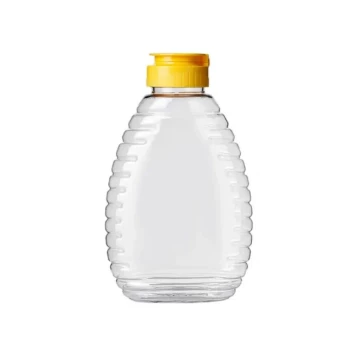
Raw honey does not require heating or pasteurization prior to the bottling process. Because honey possesses natural antimicrobial properties, it is safe for consumption and remains shelf-stable indefinitely in its raw state. While strict heating is not a safety requirement, some producers opt for gentle warming to manage texture and slow natural crystallization.
Core Insight: The decision to apply heat is a trade-off between convenience and quality. While high heat (pasteurization) prevents crystallization and ensures a uniform liquid appearance, it degrades the delicate enzymes that define "raw" honey.
The Science of Honey Stability
Natural Preservation
You do not need to rely on heat to make honey safe. Honey naturally creates an environment where most bacteria cannot survive.
Its low moisture content and acidic pH provide a self-preserving mechanism. Consequently, raw honey is shelf-stable indefinitely without any thermal processing.
The Role of Crystallization
Over time, raw honey will naturally solidify or "sugar." This is a physical change, not a sign of spoilage.
Many commercial producers heat honey specifically to destroy microscopic crystal nuclei. This keeps the product liquid on the shelf longer, but it is strictly an aesthetic and handling choice, not a safety mandate.
Understanding the Trade-offs
The Risk to Biological Activity
If your goal is to produce truly "raw" honey, temperature control is critical.
Honey contains beneficial enzymes, such as invertase. These enzymes are extremely heat-sensitive. According to technical data, activity levels drop significantly if temperatures exceed 37°C (approx. 98.6°F).
Commercial vs. Raw Processing
There is a distinct difference between "bottling warmth" and "pasteurization."
Pasteurization involves heating honey to higher temperatures for a specific duration (e.g., 30 minutes). This kills yeast spores to prevent fermentation and significantly delays crystallization. However, this process alters the sensory characteristics and degrades the honey's nutritional profile.
Raw Bottling avoids this high heat. If the honey is too thick to bottle, raw producers use precise warming equipment to merely liquefy the honey, ensuring it never exceeds the critical 37°C threshold.
Essential Bottling Protocols
Focusing on Container Hygiene
While you do not need to sterilize the honey, you must sterilize the vessel. Introducing contaminants via a dirty jar negates the honey's natural stability.
Jars should be washed and sanitized before use. A standard method involves placing jars in an oven at 225°F for 20 minutes.
Cooling and Sealing
Never fill a hot jar with raw honey. Allow sanitized jars to cool completely to room temperature.
Once filled, secure the jar immediately with a clean, new lid to maintain the sanitary environment you have created.
Making the Right Choice for Your Goal
Whether you choose to apply heat depends entirely on the type of product you intend to create.
- If your primary focus is preserving nutritional value: Avoid heating entirely or strictly maintain temperatures below 37°C to protect sensitive enzymes like invertase.
- If your primary focus is indefinite liquid texture: You may opt for pasteurization to kill yeast and dissolve crystal nuclei, accepting that the product is no longer "raw."
- If your primary focus is operational efficiency: Use gentle, controlled warming only to reduce viscosity enough to allow the honey to flow into jars, then cool immediately.
Raw honey is a finished product by nature; our job is simply to package it without degrading it.
Summary Table:
| Process Type | Temperature Threshold | Purpose | Effect on Nutrients |
|---|---|---|---|
| Raw Bottling | < 37°C (98.6°F) | Maintain enzymes & nutrients | Fully Preserved |
| Gentle Warming | 37°C - 45°C | Reduce viscosity for flow | Slight Degradation |
| Pasteurization | > 60°C (140°F) | Kill yeast & stop crystals | Significant Loss |
Elevate Your Honey Production with HONESTBEE
At HONESTBEE, we understand the delicate balance between high-volume efficiency and preserving the raw integrity of your honey. Whether you are a commercial apiary or a global distributor, our comprehensive wholesale solutions are designed to scale your operations without compromising quality.
Our value to your business:
- Advanced Machinery: From precision honey-filling machines that maintain critical temperature thresholds to professional hive-making equipment.
- Complete Equipment Suite: Access a full spectrum of beekeeping tools and essential industry consumables.
- Retail & Culture: Expand your brand with our wide array of honey-themed cultural merchandise.
Ready to optimize your bottling process and secure premium equipment for your apiary? Contact HONESTBEE today to discuss our wholesale offerings and industrial solutions.
Related Products
- Manual Honey Filling Machine Bottling Machine for Honey
- Double Nozzle Small Honey Filling Machine Honey Sachet Packing Packaging Equipment
- Economy Small Honey Filling Machine Honey Bottle Filler Packaging Machine
- Honey Gate Valve with Ergonomic Ball Handle Plastic Bee Honey Tap for Beekeeping Bottling and Honey Extractor Equipment
- Precision Durable Efficient HONESTBEE Rotary Honey Filling Machine
People Also Ask
- What is a manual honey filler and where is it used? The Essential Guide for Small-Scale Honey Bottling
- What is a manual filling machine? The Ultimate Guide for Small-Batch Producers
- What are the main differences between automated and manual honey filling? Scale Your Bottling Operation
- What challenges can arise from packaging honey without a suitable filling machine? Optimize Your Production Today
- What types of filling mechanisms are used in honey filling machines? Find the Best Tech for Your Viscosity