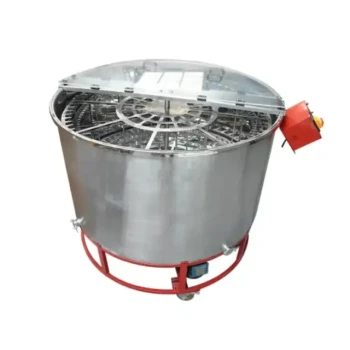
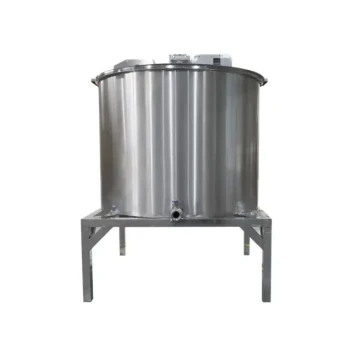
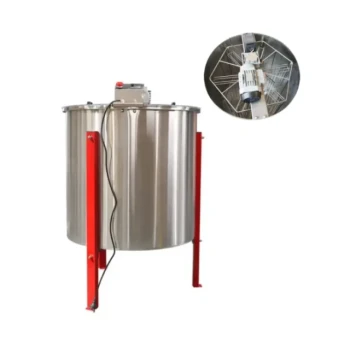
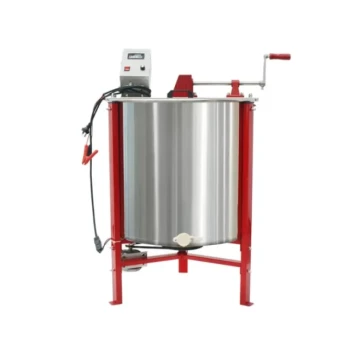
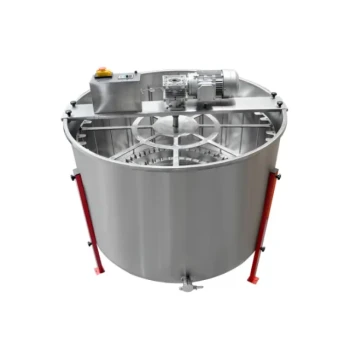
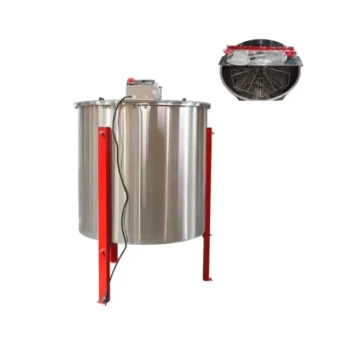
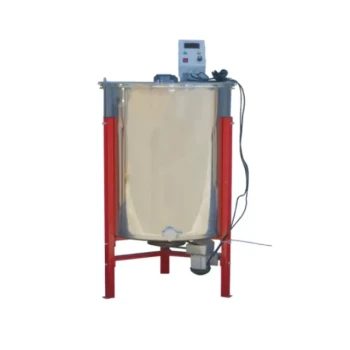
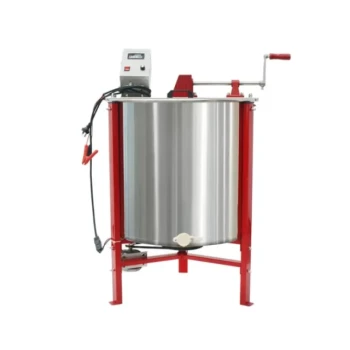
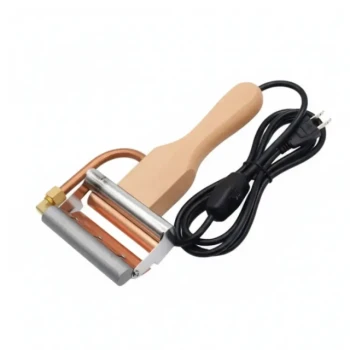
An electric honey extractor is typically recommended for beekeepers managing more than 10 hives or those engaged in commercial-scale production. While manual methods are sufficient for smaller apiaries, the electric extractor is the standard tool for operations that require processing high volumes of honey quickly and efficiently.
The transition to electric extraction marks the shift from casual hobbyist to serious producer. It eliminates the bottleneck of physical labor, allowing you to scale your operation without being limited by your ability to manually crank a machine.
Defining the Scale: The 10-Hive Threshold
The Commercial Standard
Electric extractors are designed explicitly for high-volume environments. They are the tool of choice for large-scale commercial beekeepers who must process thousands of pounds of honey efficiently.
The Serious Hobbyist
For non-commercial beekeepers, the tipping point is generally considered to be 10 hives. Once an apiary grows beyond this size, the time and physical effort required to use manual equipment become restrictive.
If you are a "serious hobbyist" with a rapidly growing number of colonies, investing in an electric model early can future-proof your operation.
Why Scale Dictates Equipment
Capacity and Speed
Electric extractors are built to handle capacity ranging from 2 to 100 frames simultaneously, depending on the model.
Unlike manual extractors, which rely on human endurance, electric motors provide consistent speed and torque. This allows for rapid cycling of frames, significantly shortening the harvest time for large apiaries.
Eliminating Physical Labor
The primary advantage of electric models is the removal of manual cranking.
For a beekeeper with only a few colonies, hand-cranking is manageable. However, extracting honey from over 10 hives manually is physically exhausting and repetitive. Electric models automate the rotation, preserving the beekeeper's energy for other critical tasks.
Understanding the Trade-offs
Cost vs. Utility
Electric extractors represent a significant financial investment compared to manual units or simple honey presses.
For beekeepers with fewer than 10 hives, this expense is often difficult to justify. The equipment is typically used only once or twice a year, meaning the "cost per use" is extremely high for small operations.
Storage and Footprint
These units are generally larger and heavier than their manual counterparts.
Small-scale beekeepers often struggle with the storage space required for large electric extractors. In contrast, smaller manual units can be easily stored or even borrowed from local beekeeping associations when needed.
Making the Right Choice for Your Goal
To select the right equipment, you must assess both your current volume and your future ambitions.
- If your primary focus is small-scale or hobby beekeeping (under 10 hives): Stick to a manual hand-cranked extractor to save money and storage space, as the physical labor remains manageable.
- If your primary focus is commercial production or scaling up (over 10 hives): Invest in an electric extractor immediately to maximize efficiency and eliminate the physical bottleneck of harvesting.
- If your primary focus is budget management while growing: Consider borrowing or hiring a manual extractor from an association until your colony count necessitates the speed of an electric motor.
Match your equipment to your volume to ensure harvesting remains a joy rather than a chore.
Summary Table:
| Beekeeping Scale | Recommended Equipment | Key Benefit |
|---|---|---|
| Hobbyist (<10 Hives) | Manual Hand-Crank Extractor | Cost-effective & Space-saving |
| Serious Hobbyist (10+ Hives) | Electric Honey Extractor | Reduced Labor & Future-proofing |
| Commercial Apiary | Industrial Electric Extractor | High-speed, High-volume Output |
| Rapidly Growing Operation | Electric Honey Extractor | Operational Scalability |
Scale Your Honey Production with HONESTBEE
Transitioning from hobbyist to commercial scale requires the right machinery. HONESTBEE specializes in supporting commercial apiaries and distributors with a complete range of professional beekeeping tools. From high-capacity electric honey extractors and honey-filling machines to specialized hive-making equipment and essential consumables, we provide the industrial-grade hardware you need to eliminate bottlenecks.
Ready to maximize your harvest efficiency and grow your business? Contact HONESTBEE today to explore our wholesale equipment solutions and cultural merchandise tailored for serious producers.
Related Products
- HONESTBEE 72 Frame Industrial Electric Honey Extractor for Beekeeping
- Commercial Electric 12 Frame Honey Extractor Spinner Motorized Honey Extractor
- 32 Frame Commercial Electric Honey Extractor for Beekeeping and Honey Production
- Electric 4 Frame Tangential Honey Extractor
- electric honey extractor honey centrifuge 3 frame honey extractor stainless steel honey frame extractor
People Also Ask
- What is the importance of balancing honeycomb frames within a honey extractor? Ensure Stability and Protect Machinery
- How is honey separated from the frames after they are uncapped? Efficient Extraction Methods for High Yields
- What are the main benefits of using a honey extractor? Maximize Yields and Protect Your Honeycomb
- What are the recommended methods for removing honey from the honeycomb? Top Extraction Techniques for Maximum Efficiency
- How do manual honey extractors compare to electric honey extractors? Choosing the Right Tool for Your Apiary Growth