Dedicated drone-frames act as high-efficiency sampling tools. In scientific contexts, these frames are strategically positioned at the edges of the brood area to induce bees to construct large numbers of drone cells. Researchers utilize this method to exploit the Varroa mite's biological preference for drone brood, effectively concentrating the mite population into specific zones to generate the high-density samples required for robust statistical analysis.
By manipulating the colony structure to maximize drone cell production, scientists create "hotspots" of infestation. This allows for the efficient collection of significant data points regarding mite behavior and preference without necessitating the destructive sampling of the entire worker brood.
Strategic Induction and Placement
Targeting the Brood Periphery
Researchers typically place dedicated drone-frames at the edges of the brood nest. This specific positioning leverages the colony's natural tendency to expand drone comb in peripheral zones, ensuring the bees accept the frame and build it out quickly.
Forcing Specific Cell Architecture
These frames feature a foundation pattern with larger cells than standard worker frames. This physical template encourages the queen to lay unfertilized eggs, which biologically develop into drones.
Creating a Controlled Sample Set
By introducing a dedicated frame, researchers transition the colony from a random distribution of drone cells to a controlled, concentrated area. This eliminates variables associated with natural comb building and ensures a standardized area for observation.
Leveraging Biological Preferences for Data
The Multiplier Effect
The core utility of these frames in research relies on the Varroa mite’s preference to parasitize drone cells at a rate approximately eight times higher than worker cells. This significant differential makes drone frames an incredibly efficient "magnet" for the local mite population.
Increasing Sampling Efficiency
In natural conditions, finding enough parasitized cells to form a statistically significant dataset can be labor-intensive. Drone frames provide high-density parasitized samples, allowing researchers to gather sufficient data points rapidly.
Timing for Peak Data
This method is particularly effective during peak infestation seasons. Researchers can time the insertion of these frames to coincide with specific seasonal cycles, ensuring the data reflects the colony's status during critical windows of mite reproduction.
Understanding the Trade-offs
Biological Cost to the Colony
While effective for study, producing a full frame of drones requires significant resources from the hive. Researchers must account for the metabolic cost placed on the colony, which can affect overall hive health if not monitored.
The "Trap" Dynamic
It is important to distinguish between observation and management. In pure research, the frame is a data source; however, the high concentration of mites means the frame effectively acts as a "trap comb." If the frame is left too long and the drones emerge, the research tool becomes a vector that releases a massive population of mites back into the colony.
Making the Right Choice for Your Goal
- If your primary focus is statistical reliability: Ensure frames are placed at the brood edge to maximize acceptance and create the high-density samples needed for significant data.
- If your primary focus is colony management: Utilize the same drone frames as "bait" to trap mites, but remove and destroy the brood before emergence to physically reduce the mite load without chemicals.
- If your primary focus is behavioral observation: Use the 8x preference rate as a baseline to study deviations in mite behavior under different environmental conditions or genetic lines.
Dedicated drone-frames transform the chaotic distribution of pests into a structured, measurable dataset.
Summary Table:
| Research Element | Benefit of Using Drone-Frames |
|---|---|
| Data Density | 8x higher mite preference for drone cells creates concentrated sample sets. |
| Spatial Control | Placement at brood periphery ensures predictable and standardized data collection. |
| Efficiency | Rapidly gathers significant data points without damaging worker brood populations. |
| Timing | Synchronizes sampling with peak infestation cycles for seasonal impact analysis. |
| Functionality | Acts as both a high-efficiency sampling tool and a non-chemical mite trap. |
Elevate Your Beekeeping Operations with HONESTBEE
At HONESTBEE, we understand the specialized needs of commercial apiaries and distributors. Whether you are conducting scientific research or managing large-scale honey production, we provide the full spectrum of high-quality tools you need to succeed.
Our comprehensive wholesale offering includes:
- Precision Machinery: From hive-making to advanced honey-filling machines.
- Essential Equipment: Specialized drone-frames, foundation molds, and protective gear.
- Industry Consumables: A wide array of essentials to keep your colonies healthy and productive.
Partner with a supplier that values your efficiency and growth. Contact us today to discuss your wholesale requirements and see how HONESTBEE can streamline your beekeeping supply chain.
References
- Richard Odemer. Reproductive capacity of varroa destructor in four different honey bee subspecies. DOI: 10.1016/j.sjbs.2019.09.002
This article is also based on technical information from HonestBee Knowledge Base .
Related Products
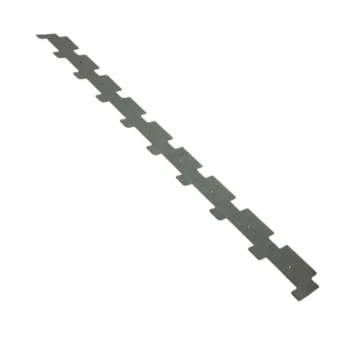
- Heavy Duty Castellated Iron Frame Spacer for Honey Supers
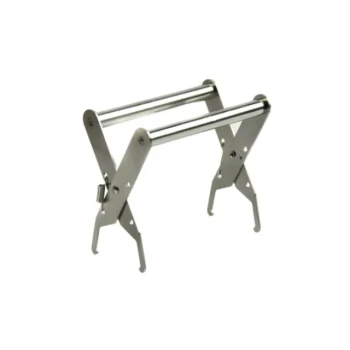
- Heavy-Duty Stainless Steel Frame Grip
- Assembled Wooden Bee Frames with Beeswax Foundation Ready to Use by HONESTBEE
People Also Ask
- What are honey super frames and what foundation options are available? Choose the Best Support for Your Bees
- What are the reasons and drawbacks of using nine frames in a ten-frame honey super? Boost Extraction Speed Today
- What are honey super frames and how many are needed per box? A Beekeeper's Essential Guide
- What are honey super frames and their foundation options? Choose the Best Support for Your Hive's Honey Production
- Why might a beekeeper use fewer than the standard number of frames in a honey super? Boost Extraction Efficiency