Honey stick machines are primarily classified into two distinct categories based on the extent of human intervention required: Semi-automatic and Automatic. This classification is determined by how the machine handles the beginning and end of the packaging cycle—specifically material loading and product discharge—while the core forming and filling processes are generally controlled by a PLC unit in both types.
Selecting the right automation level is fundamentally determined by your required production volume. Semi-automatic units rely on manual support for low-to-medium output, whereas fully automatic machines offer a seamless, hands-free workflow designed for high-speed mass production.
Semi-Automatic Machines: The Hybrid Approach
Operational Workflow
The Semi-automatic Honey Stick Machine operates on a hybrid model that combines mechanical automation with manual labor. While the machine utilizes a PLC unit to automatically handle the critical intermediate steps of forming the packet and filling it with honey, it requires human assistance at the "bookends" of the process. An operator must manually load the film roll at the start and physically remove the finished honey sticks at the end of the cycle.
Ideal Use Case
Because of the reliance on manual loading and unloading, these machines typically offer lower productivity rates compared to fully automated counterparts. They are best suited for small to medium-sized packaging lines where production volume does not justify the cost or footprint of a larger industrial unit.
Automatic Machines: The Integrated Solution
Fully Integrated Workflow
The Automatic Honey Stick Machine is designed to eliminate manual handling from the production cycle entirely. The operator's role is limited to programming the PLC unit; once set, the machine executes the entire process seamlessly. From loading the film to unloading the final product, every step is mechanized and continuous.
Speed and Throughput
These machines are engineered for high-volume environments and are frequently used in large-scale production facilities. They often feature multiple lanes, allowing them to output a significantly higher number of honey sticks per minute than semi-automatic models.
Understanding the Trade-offs
Space and Footprint
There is a distinct physical difference between the two classifications. Because Automatic machines integrate complex loading and unloading mechanisms and often include multi-lane capabilities, they are larger in size. Facilities with limited floor space may find the compact nature of a Semi-automatic unit more accommodating.
Productivity vs. Labor
The trade-off is essentially between labor input and output speed. Semi-automatic machines save on initial complexity but require consistent human labor to maintain operation, capping their total productivity. Automatic machines maximize speed and reduce labor costs over time but require a larger dedicated space and likely a more complex initial setup.
Making the Right Choice for Your Production Line
To select the correct machine classification, you must evaluate your current production goals against your facility's capabilities.
- If your primary focus is small-scale agility: Choose the Semi-automatic machine, as it balances automated precision with a workflow manageable for smaller teams.
- If your primary focus is maximum volume: Choose the Automatic machine to leverage multi-lane processing and seamless, high-speed output.
Ultimately, the correct classification depends on whether your priority is managing a compact, hands-on operation or achieving the highest possible throughput with minimal human interference.
Summary Table:
| Feature | Semi-Automatic Honey Stick Machine | Automatic Honey Stick Machine |
|---|---|---|
| Human Intervention | High (Manual loading/unloading) | Low (Hands-free operation) |
| Control System | PLC Unit | PLC Unit |
| Production Scale | Small to Medium-sized lines | High-speed mass production |
| Space Requirement | Compact footprint | Larger industrial footprint |
| Lane Configuration | Typically Single-lane | Multi-lane capabilities |
| Key Benefit | Cost-effective agility | Maximum throughput and efficiency |
Scaling Your Honey Production? Partner with HONESTBEE Today!
Whether you are a growing distributor or a large-scale commercial apiary, HONESTBEE provides the precision engineering you need to succeed. Our comprehensive range of honey-filling machines—from agile semi-automatic units to high-capacity multi-lane systems—is designed to maximize your output and product quality.
Beyond machinery, we supply a full spectrum of beekeeping tools, specialized hardware, and honey-themed cultural merchandise to support every facet of your business. Contact our experts today for a tailored consultation on how our wholesale equipment solutions can streamline your operations and drive growth.
Related Products
- Honey Stick Filler Vertical Paste Sachet Packing Machine for Honey Sachets
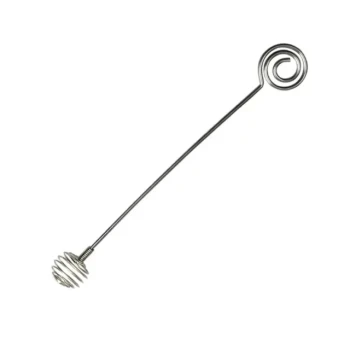
- Modern Stainless Steel Honey Dipper Stirrer
- Professional Plastic Honey Dipper for Easy Honey Drizzling
- Automatic Single-Dose Snap & Squeeze Honey Sachets Packing Machine
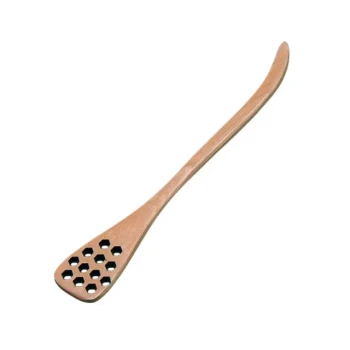
- Modern Honeycomb Pattern Wooden Honey Dipper for Stirring and Drizzling
People Also Ask
- How do honey stick and honey sachet machines differ? Choose the Right Packaging for Your Honey
- What are the main functions of a honey sachet packing machine? Boost Efficiency with Automated Precision
- What are the advantages of honey sachet packing machines? Boost Efficiency & Unlock New Markets
- What types of filling and packing machines are available for different scales of honey production? Expert Solutions
- What is a honey stick packing machine? Master the Operational Process for Efficient Packaging