Professional insect nets are utilized to manually intercept foraging honey bees at the precise moment they return to the hive entrance. By capturing the bee before it enters the colony, researchers can isolate specific foragers and extract raw pollen loads directly from the pollen baskets located on the bee's hind legs.
The primary value of net-based collection is data purity. Unlike bulk collection methods, using a net provides an immediate, unprocessed record of specific floral resources, making it the standard for high-precision palynological (pollen) surveys.
The Mechanics of Capture and Collection
Interception at the Entrance
The process begins by positioning the researcher near the hive entrance. The goal is to target returning foragers who have completed a collection trip.
Targeted Isolation
The net allows the researcher to single out specific bees carrying visible pollen loads. This prevents the sample from being mixed with bees that are departing or performing other colony tasks.
Extraction from the Corbiculae
Once captured, the pollen is harvested from the bee's pollen baskets (corbiculae). Because the bee has not yet entered the hive, the pollen remains an "unprocessed record" of the environment.
The Scientific Value of Netting
Purity of the Sample
Samples obtained via nets are considered raw. They have not been stored in the hive, mixed with nectar processing fluids inside the colony, or cross-contaminated by other bees in a bulk container.
Palynological Precision
For surveys attempting to map the floral resources of a specific environment, this method is superior. It links a specific bee to a specific pollen source at a specific time.
Understanding the Trade-offs
Manual vs. Automated Collection
While netting offers high purity, it is labor-intensive and low-volume. It requires a researcher to be physically present to catch bees one by one.
Comparison to Pollen Traps
In contrast, pollen traps (wire mesh grids placed at the entrance) offer an automated alternative. As referenced in supplementary data, traps strip pollen from bees as they crawl through small holes.
Contextual Usage
Traps are ideal for harvesting large quantities of pollen without constant supervision. However, for strict scientific analysis requiring specific snapshots of foraging behavior without the risk of cross-contamination in a collection tray, the manual net method is preferred.
Making the Right Choice for Your Goal
- If your primary focus is scientific accuracy: Utilize professional insect nets to ensure the pollen load is attributed to a specific forager and remains chemically and physically unaltered.
- If your primary focus is volume and efficiency: Consider using mechanical pollen traps to harvest larger amounts of biomass without requiring continuous human intervention.
By selecting the method that aligns with your data requirements, you ensure the integrity of your environmental survey.
Summary Table:
| Feature | Net-Based Collection | Mechanical Pollen Traps |
|---|---|---|
| Primary Goal | Scientific data purity & precision | Bulk biomass & volume collection |
| Pollen Condition | Raw, unprocessed, and unmixed | Stripped and collected in bulk |
| Labor Requirement | High (manual interception) | Low (automated/unsupervised) |
| Best Use Case | Palynological surveys/Floral mapping | Commercial pollen production |
| Contamination Risk | Minimum (individual isolation) | Higher (cross-contamination in tray) |
Elevate Your Beekeeping Operations with HONESTBEE
Whether you are conducting high-precision scientific research or managing a commercial honey production facility, HONESTBEE provides the professional-grade tools you need. As a premier partner for commercial apiaries and distributors, we supply a comprehensive range of beekeeping machinery, specialized hardware, and essential consumables.
From honey-filling and hive-making machines to precision collection tools, our portfolio is designed to enhance your efficiency and output. Contact us today to discover how our wholesale solutions and industry expertise can streamline your beekeeping business and support your growth.
References
- Kiára Mendonça, A. C. de C. C. Carmello Moreti. Plantas apícolas de importância para Apis mellifera L. (Hymenoptera: Apidae) em fragmento de cerrado em Itirapina, SP. DOI: 10.1590/s1519-566x2008000500003
This article is also based on technical information from HonestBee Knowledge Base .
Related Products
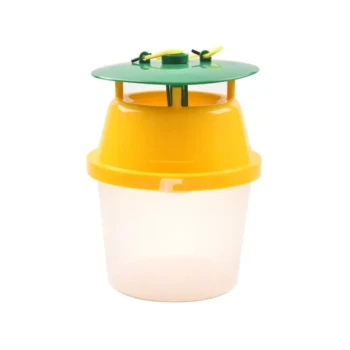
- Professional Bucket Style Wasp and Moth Pheromone Trap
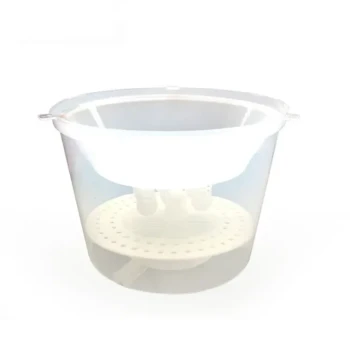
- Professional Multi-Component Bucket Wasp Trap
- Gourd Shaped Hanging Wasp Trap Professional Wasp Catcher
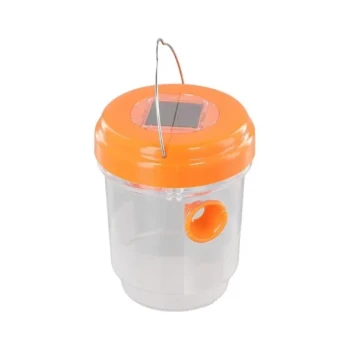
- Solar Powered LED Wasp Trap
- Black Plastic Beetle Barn Hive Beetle Trap for Beehives
People Also Ask
- What is the function of Pheromone Traps in the biosecurity monitoring of apiaries? Precision Tools for Pest Control
- What role do Pheromone Traps play in the IPM for Large African Hive Beetles? Essential Surveillance & Control Tips
- How do professional wasp traps function? Master Physical Control of Oriental Hornets to Protect Your Apiary
- What are the practical advantages of using professional wasp traps and protective equipment in apiary management? Scale Up
- Why replace sugar syrup bait in wasp traps every three days? Ensure Maximum Attraction and Catch Rates