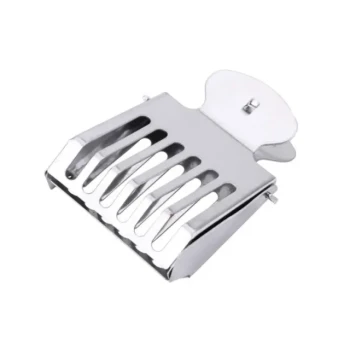
Queen excluders serve as critical isolation tools in the management of drone bees following hyperthermia treatment for Varroa destructor. By utilizing grids with specific spacing, these devices act as physical barriers that effectively restrict the movement of drones while allowing smaller worker bees to pass through freely. This physical containment ensures that the specific population of drones subjected to heat treatment remains accessible for marking, capturing, and long-term analysis.
Core Takeaway: In this context, the queen excluder is repurposed to segregate treated drones rather than the queen. This isolation is the fundamental control mechanism that allows researchers to longitudinally evaluate the side effects of thermal treatment on drone sperm vitality and fertilization capability.
The Mechanics of Drone Isolation
Establishing Physical Barriers
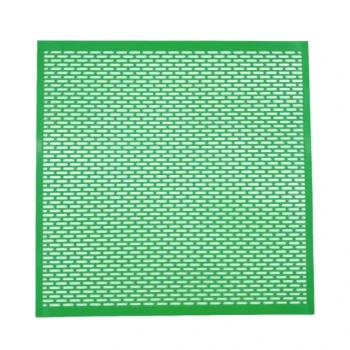
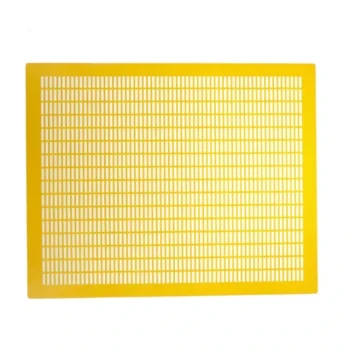
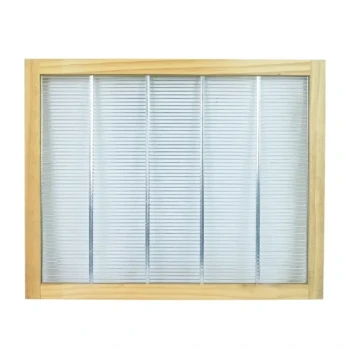
The primary function of the queen excluder in this scenario is to leverage size differences between castes.
Because drones are larger than worker bees, the specific grid spacing of the excluder traps them within a designated area of the hive.
Ensuring Experimental Integrity
Without this barrier, treated drones would mix indiscriminately with untreated populations or drift to other colonies.
The excluder guarantees that the sample group—the drones that underwent hyperthermia—remains available for accurate data collection.
Enabling Longitudinal Assessment
Marking and Capture
Once confined by the excluder, drones can be easily located and identified.
This facilitates the precise marking and capturing of drones at specific ages, which is necessary to track their development over time.
Evaluating Reproductive Health
The ultimate goal of this management strategy is to assess the physiological impact of heat treatment.
By isolating these specific drones, researchers can conduct detailed analyses on sperm vitality and subsequent fertilization capability to ensure the treatment kills mites without sterilizing the drone population.
Understanding the Trade-offs
Potential for Physical Damage
While excluders are effective for isolation, they introduce physical risks to the colony.
Some excluder models may feature sharp edges on the grid work.
Impact on Worker Bees
As worker bees pass through these grids to tend to the drones, their wings can be damaged by abrasive surfaces.
This physical trauma can result in a shorter lifespan for the affected workers, potentially stressing the colony during the observation period.
Making the Right Choice for Your Goal
When implementing post-treatment management strategies, consider your primary objective:
- If your primary focus is data accuracy: Prioritize the use of excluders to strictly confine treated drones, ensuring that sperm vitality metrics are derived exclusively from the heat-treated cohort.
- If your primary focus is colony welfare: Inspect excluders rigorously for sharp edges before installation to minimize wing damage and preserve the longevity of the worker force supporting the drones.
Effective drone management requires balancing precise isolation for analysis with the physical safety of the supporting colony.
Summary Table:
| Feature | Function in Drone Management | Impact on Research/Colony |
|---|---|---|
| Physical Barrier | Restricts drone movement while allowing workers to pass | Ensures treated drones remain accessible for study |
| Grid Spacing | Leverages size differences between bee castes | Prevents drift and mixing of treated/untreated drones |
| Isolation Area | Facilitates easy marking and capture of specific cohorts | Enables longitudinal analysis of sperm vitality |
| Grid Surface | Provides structural containment | Potential for wing damage to workers if edges are sharp |
Maximize Your Colony Productivity with HONESTBEE
Precise management is the key to sustainable beekeeping. At HONESTBEE, we empower commercial apiaries and distributors with the high-quality equipment needed to manage complex treatments like hyperthermia.
Our comprehensive wholesale range includes:
- Precision Beekeeping Tools: High-grade queen excluders and hive hardware designed for durability and bee safety.
- Advanced Machinery: State-of-the-art hive-making and honey-filling machines to scale your operations.
- Essential Consumables: A full spectrum of industry supplies to keep your apiary thriving.
Whether you are conducting vital research or managing thousands of hives, HONESTBEE delivers the specialized equipment and cultural merchandise your business demands.
Ready to elevate your apiary's efficiency? Contact us today to explore our wholesale solutions!
References
- Arne Kablau, Ricarda Scheiner. Hyperthermia treatment can kill immature and adult Varroa destructor mites without reducing drone fertility. DOI: 10.1007/s13592-019-00715-7
This article is also based on technical information from HonestBee Knowledge Base .
Related Products
- High Performance Plastic Queen Excluder for Beekeeping and Apiary Management
- Professional Plastic Queen Excluder for Modern Beekeeping
- Lightweight Durable Plastic Queen Excluder Scraper for Beekeeping
- Metal Queen Bee Excluder for Beekeeping
- Premium Wood Framed Metal Wire Queen Bee Excluder
People Also Ask
- What are the characteristics of a plastic queen excluder? Key Benefits for Cost-Effective Beekeeping
- What are the operational and cost advantages of using plastic queen excluders over metal or wire excluders in commercial hive management? Discover how they reduce labor, prevent wing damage, and lower total costs.
- What types of queen excluders are available for beekeepers? Choose the Right Tool for Your Hive
- Why are standardized hive frames and queen excluders essential for maintaining honey purity and quality? Scale Your Purity
- Do plastic queen excluders work? A Cost-Effective Solution for Modern Apiaries