Standard bee frames function as quantitative physical units for measuring the population density of Western honey bee colonies. By systematically counting the number of frame sides occupied by the bees, beekeepers can convert visual observations into concrete data regarding total colony size.
Utilizing frame counts transforms subjective observation into a standardized metric, providing the essential baseline needed to correlate colony strength with disease resistance and commercial viability.
Establishing a Quantitative Baseline
The Frame as a Standardized Unit
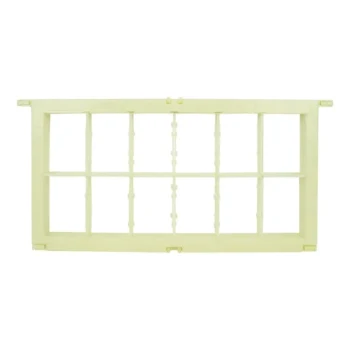
Standard bee frames provide a consistent physical area for measurement. Rather than estimating population based on hive activity or weight, the frame serves as a fixed grid for recording the area covered by honey bees. This consistency is essential for comparative analysis across different hives and seasons.
Calculating Population Size
The core metric used is the number of frame sides occupied by the colony. By tallying these sides, beekeepers generate a specific number that represents the total population size. This turns a biological organism's growth into a trackable data point.
The Correlation Between Strength and Health
Analyzing Disease Incidence
Primary research indicates a negative correlation between colony strength and the incidence of bee diseases. In simpler terms, as the number of occupied frames increases, the likelihood of detecting various diseases typically decreases.
Objective Classification
Using frame counts allows for the objective classification of colonies into weak, medium, or strong categories. This categorization removes guesswork, allowing beekeepers to identify struggling colonies that may require intervention before they collapse.
Meeting Commercial Standards
This measurement method is the industry standard for determining commercial value. Specifically, frame counts determine if a colony meets the technical qualifications for almond pollination services. Only colonies that demonstrate sufficient strength through frame occupation are deemed viable for these contracts.
Factors Influencing Accuracy
The Role of Hive Structure
Reliable measurement depends on a controlled physical environment. The standardized structure of wooden hives is critical here, as it mimics natural nesting sites while ensuring the frames remain uniform for measurement.
Integration with Disease Monitoring
While frame counts indicate strength, they are often part of a broader monitoring system. For specific infectious diseases like European Foulbrood, this population data is often integrated with other tools, such as wire grid frames, to facilitate precise sampling.
Applying Colony Strength Data
If your primary focus is Disease Management: Monitor frame counts to identify "weak" classifications early, as low population density is a critical baseline indicator for higher disease susceptibility.
If your primary focus is Commercial Pollination: Use frame side counts to certify that your colonies meet the specific "strong" technical qualifications required for almond pollination contracts.
By treating the standard bee frame as a data tool rather than just hive infrastructure, you gain the objectivity required for professional colony management.
Summary Table:
| Metric Category | Measurement Method | Key Significance |
|---|---|---|
| Population Unit | Occupied Frame Sides | Provides a standardized physical baseline for colony size. |
| Health Correlation | Frame Count vs. Disease | Inverse correlation: higher frame counts typically mean lower disease incidence. |
| Strength Class | Weak / Medium / Strong | Allows for objective categorization and intervention planning. |
| Commercial Value | Technical Qualifications | Determines viability for high-value contracts like almond pollination. |
Maximize Your Colony Potential with HONESTBEE
At HONESTBEE, we understand that precision in colony management is the backbone of a successful beekeeping operation. Whether you are a commercial apiary scaling up for pollination contracts or a distributor seeking high-quality supplies, we provide the industrial-grade tools you need to succeed.
Our comprehensive wholesale portfolio includes:
- Precision Hardware: Durable wooden hives and standard frames designed for accurate population monitoring.
- Advanced Machinery: Hive-making and honey-filling machines to streamline your production.
- Essential Consumables: A full spectrum of beekeeping tools and industry essentials.
- Cultural Merchandise: Unique honey-themed products to expand your market reach.
Ready to elevate your commercial viability? Contact HONESTBEE today to discuss our wholesale offerings and discover how our expertise can support your growth.
References
- N.G. van der Veen, Ashok Yadav. Seasonal Incidence of European Foul Brood and Sac Brood Disease in Apis mellifera L. and their Correlation with Colony and Weather Parameters. DOI: 10.20546/ijcmas.2021.1001.003
This article is also based on technical information from HonestBee Knowledge Base .
Related Products
- Assembled Wooden Bee Frames with Plastic Foundation for Durability and Convenience by HONESTBEE
- Assembled Wooden Bee Frames with Beeswax Foundation Ready to Use by HONESTBEE
- Wooden Bee Hive Frames for Beekeeping and Wholesale
- HONESTBEE Wired and Assembled Wooden Bee Frames Foundation for a Thriving Hive
- Plastic Bee Frame Beekeeping Hive Frames for Wholesale
People Also Ask
- When should frames with new foundation be given to colonies? Master Timing for a Thriving Hive
- What types of bee frames can be cleaned and returned to service? A Guide to Safe Apiary Refurbishment
- How do you re-wax bee frames? A Simple Guide to Faster Comb Building
- What are bee frames and how are they sized? A Professional Guide to Standardization & Material Choice
- Can beekeepers switch between wooden and plastic frames? Optimize Your Hive's Performance