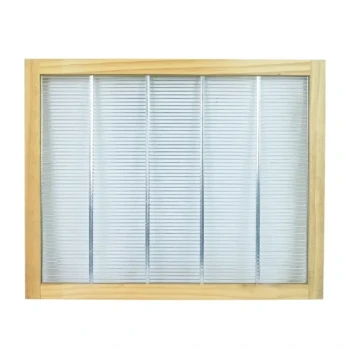
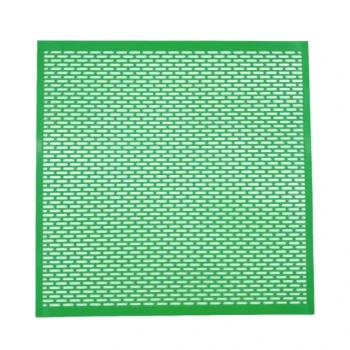
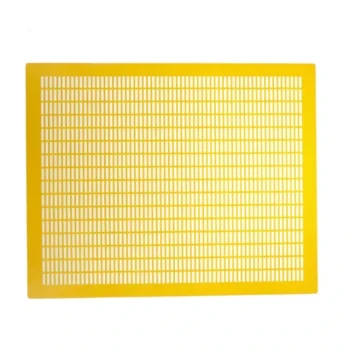
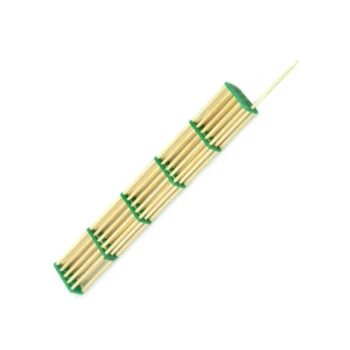
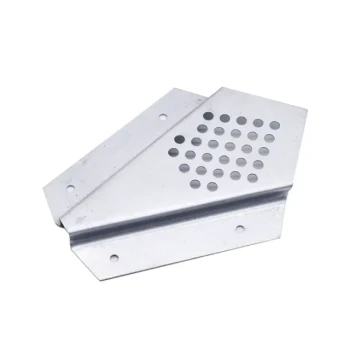
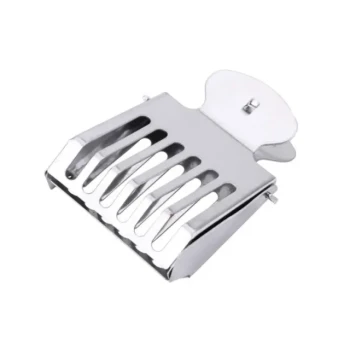
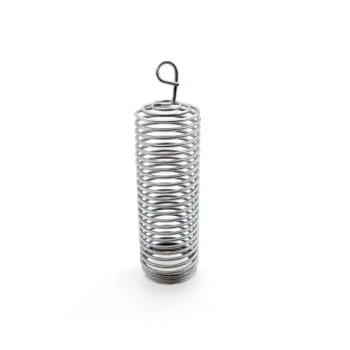
Vertical queen excluders serve as architectural zoning tools that fundamentally alter how space is utilized within the hive. By permitting smaller worker bees to pass freely while physically restricting the larger queen to a designated area, these devices segment the internal environment into two distinct functional zones. This separation is the mechanical basis for reserving specific movable frames exclusively for the construction of natural honeycomb, free from the interference of reproductive activities.
By enforcing a physical boundary between the brood nest and the construction area, vertical queen excluders ensure that specific frames remain free of eggs and larvae. This creates a "pure" workspace where worker bees can build natural honeycomb that is optimized for observation and honey storage rather than reproduction.
The Strategy of Hive Zoning
Defining the Biological Barrier
The core function of the vertical queen excluder is size-selective filtration. It allows worker bees to travel throughout the entire volume of the hive to perform maintenance and construction tasks.
Simultaneously, it confines the queen to a specific region. This creates a controlled "Brood Zone" for egg-laying and a separate "Construction Zone" for honeycomb building.
Reserving Frames for Pure Construction
By blocking the queen's access to the upper or separated sections, beekeepers can reserve empty movable frames for a singular purpose.
Because the queen cannot enter these areas, she cannot lay eggs in the new wax. This ensures the resulting structure is pure natural honeycomb, devoid of brood, which is essential for clear observation and clean honey production.
Enhancing Inspection and Observation
Reducing Inspection Interference
Separating the queen from the construction frames simplifies the inspection process significantly.
Beekeepers can access and observe the natural honeycomb or honey supers directly without needing to search through the brood boxes. This minimizes disturbance to the colony’s reproductive center during routine checks.
Utilizing Professional Tools for Monitoring
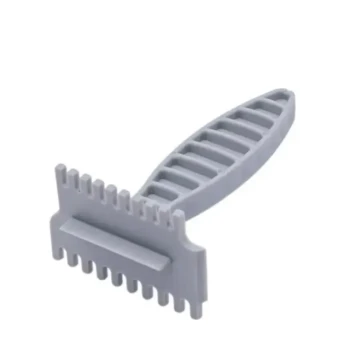
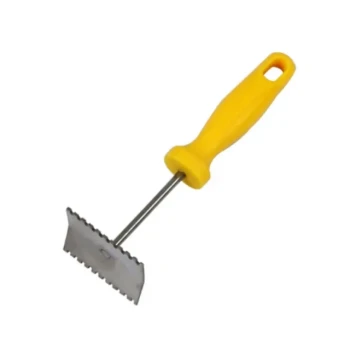
While the excluder manages the space, proper observation requires specific techniques. Professional hive tools, such as smokers and scrapers, are necessary to perform low-interference inspections.
Technicians use these tools to monitor the construction status of queen cells and the capping process without disrupting the hive's workflow.
Common Pitfalls to Avoid
Neglecting the Brood Zone
While focusing on the honeycomb construction zone, one must not ignore the area where the queen is confined. The restriction of the queen requires the beekeeper to actively monitor the health of the larvae in the brood box.
Overlooking Queen Cell Management
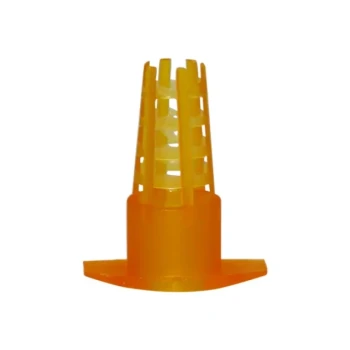
The use of excluders requires timely intervention regarding reproductive development. Regular monitoring is essential to identify and remove underperforming queen cells.
Failure to use specialized equipment to check these cells can lead to suboptimal colony genetics or missed opportunities for selecting high-quality queens.
Making the Right Choice for Your Goal
To effectively utilize vertical queen excluders, align your usage with your specific beekeeping objectives.
- If your primary focus is natural honeycomb observation: Deploy the excluder to isolate empty frames, ensuring the new wax construction remains free of brood and visual clutter.
- If your primary focus is colony health and genetics: Use the excluder to contain the queen, then strictly schedule inspections with proper tools to monitor larval health and cull underperforming queen cells.
Mastering the vertical queen excluder allows you to transition from simply housing bees to actively engineering their environment for clarity and quality.
Summary Table:
| Feature | Purpose in Hive Management | Key Benefit |
|---|---|---|
| Size-Selective Filtration | Restricts queen to brood zone while allowing workers free passage | Prevents egg-laying in observation frames |
| Architectural Zoning | Segments hive into Brood and Construction zones | Creates a clean, brood-free environment for wax building |
| Reduced Interference | Isolates construction frames from reproductive activities | Facilitates easier inspections without disturbing the colony core |
| Pure Honeycomb Focus | Reserves specific movable frames for natural wax | Ensures high-clarity observation and clean honey production |
Elevate Your Apiary’s Efficiency with HONESTBEE
Are you looking to optimize your commercial honey production or scale your distribution? At HONESTBEE, we specialize in empowering professional beekeepers and distributors with a full spectrum of high-quality tools and machinery. From precision-engineered queen excluders to advanced hive-making and honey-filling machines, our comprehensive wholesale offering covers every industry need—including essential consumables and honey-themed cultural merchandise.
Partner with HONESTBEE to access professional-grade equipment that drives results.
Contact Our Experts Today to discuss your wholesale needs and discover how our tailored equipment solutions can grow your business!
References
- Shunhua Yang, Kun Dong. Cell orientation characteristics of the natural combs of honey bee colonies. DOI: 10.1371/journal.pone.0263249
This article is also based on technical information from HonestBee Knowledge Base .
Related Products
- Premium Wood Framed Metal Wire Queen Bee Excluder
- Lightweight Durable Plastic Queen Excluder Scraper for Beekeeping
- High Performance Plastic Queen Excluder for Beekeeping and Apiary Management
- Professional Dual Action Queen Excluder Scraper for Beekeeping
- Metal Queen Bee Excluder for Beekeeping
People Also Ask
- What types of queen excluders are available for beekeepers? Choose the Right Tool for Your Hive
- Why are standardized hive frames and queen excluders essential for maintaining honey purity and quality? Scale Your Purity
- How does a queen-bee excluder function as a defense against Small Hive Beetles? Protect Your Honey with Resource Denial
- What is the purpose of an entrance queen excluder? Prevent Absconding and Stabilize Your New Honeybee Colony
- What is the function of a queen excluder? Maximize Honey Yield and Ensure Data Integrity for Your Apiary