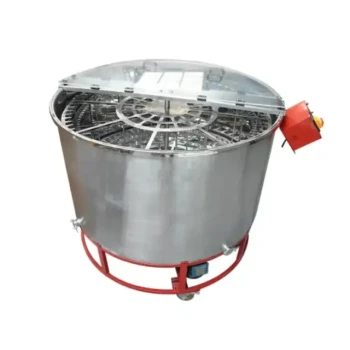
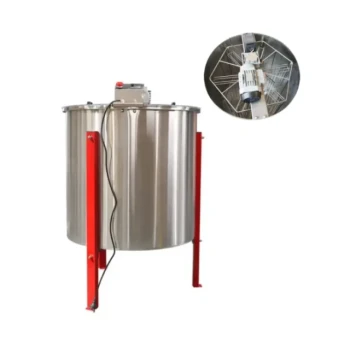
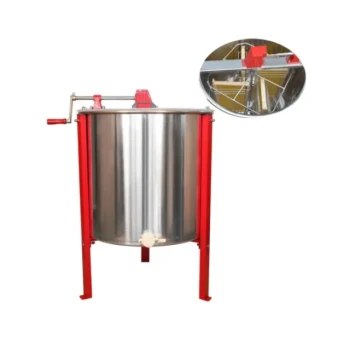
High-pressure water is a highly effective tool for cleaning honey extractors when used with caution. You can successfully use a small home pressure washer or a commercial car wash to rapidly strip away honey residue, wax bits, and debris, provided you strictly manage the water force to avoid mechanical damage.
Core Takeaway While high-pressure water offers the fastest method for cleaning sticky extractors, it poses a risk to sensitive internal parts if the force is too high. To ensure food safety and equipment longevity, rely on the mechanical force of the water rather than chemicals—use water only and avoid soap to prevent contaminating future honey harvests.
Essential Preparation Steps
Recovering Usable Honey
Before applying high-pressure water, you should remove as much leftover honey as possible. Close the honey gate and tilt the extractor to allow the liquid to pool in a single area.
Leaving the unit to drain overnight allows gravity to do the work. If possible, increase the room temperature to reduce the honey's viscosity, making it flow more freely.
Manual Debris Removal
Once drained, scrape the interior before washing. Use a honey uncapping knife or a specialized tool to remove heavy deposits of wax and propolis from the frames and interior walls.
Using a Home Pressure Washer
Removing Stubborn Residue
A small pressure washer is excellent for dislodging bits of wax and sticky honey that manual scrubbing might miss. The concentrated stream cuts through the residue quickly.
Managing Water Force
You must exercise extreme caution regarding water pressure. High water force can damage working parts, such as the basket, gears, or bearings.
Maintain a safe distance with the nozzle. Do not aim the direct high-pressure stream closely at the mechanical components or seals.
The Car Wash Method
Transport and Setup
For those without a home unit or adequate drainage, a car wash is a viable alternative. This is most easily done by placing the extractor in the bed of a pickup truck.
Secure the unit properly for transport. Once at the wash bay, you can spray the extractor directly in the truck bed, allowing the water to drain out easily.
Selecting the Correct Cycle
When using a commercial car wash, you must select the rinse-only option. Never use the "wash" setting, foaming brushes, or wax cycles.
Understanding the Trade-offs and Risks
The Danger of Soap Residue
Both the pressure washer and car wash methods should strictly avoid soap. While some manual cleaning methods utilize mild detergents, high-pressure systems can force soap into seams and crevices where it is nearly impossible to rinse out.
Any soap residue left behind will contaminate your next batch of honey. This compromises the quality of your product and can render it inedible.
Mechanical Integrity
The aggressive nature of pressure washing can strip necessary grease from bearings or bend the metal of the extractor basket. Always prioritize the longevity of the machine over speed.
Post-Wash Drying
After washing, the risk of rust increases. You must allow the extractor and all disassembled parts to dry completely. Store the equipment in a dry, cool area to prevent mold growth and corrosion.
Making the Right Choice for Your Goal
To determine the best cleaning method for your specific situation, consider these priorities:
- If your primary focus is speed and efficiency: Use a pressure washer or car wash with plain water, ensuring you keep the nozzle at a safe distance from mechanical parts.
- If your primary focus is equipment longevity: Opt for the manual method using warm water and rags to ensure no stress is placed on the gears or bearings.
- If your primary focus is food safety: strictly avoid all chemical detergents in high-pressure systems to guarantee zero residue contamination in your next harvest.
Regardless of the method chosen, thorough drying is the final, non-negotiable step to protect your investment.
Summary Table:
| Cleaning Method | Pros | Cons | Best For |
|---|---|---|---|
| Home Pressure Washer | High efficiency; precise control | Requires equipment & drainage | Fast, deep cleaning of residue |
| Commercial Car Wash | Powerful spray; easy drainage | Risk of soap contamination | Large extractors; limited home space |
| Manual Washing | Safest for bearings & gears | Labor intensive; slow | High-end or delicate machinery |
| Warm Water Rinse | Dissolves honey naturally | Won't remove stubborn wax | Final finish & food safety |
Maximize Your Harvest Efficiency with HONESTBEE
Maintaining pristine equipment is vital for commercial apiaries and honey distributors. At HONESTBEE, we understand the demands of large-scale beekeeping. We provide a comprehensive range of professional-grade beekeeping tools, honey-filling machines, and high-capacity extractors designed for durability and easy maintenance.
Whether you are looking to upgrade your extraction line or need a reliable wholesale partner for essential industry consumables and hive-making machinery, we are here to support your growth. Our portfolio extends from specialized hardware to honey-themed cultural merchandise to help you stand out in the market.
Ready to scale your beekeeping operations? Contact HONESTBEE Today for Custom Wholesale Solutions
Related Products
- Stainless Steel Manual Honey Press with Guard for Pressing Honey and Wax
- 10L Stainless Steel Honey Wax Press Extractor for Wax Cappings
- Stainless Steel Jack Type Honey Comb Press Machine Wax and Honey Separator
- 10L Stainless Steel Electric Honey Press Machine
- Stainless Steel Beekeeping Honey Extractor Lid
People Also Ask
- What other functions can a honey press serve besides honey extraction? Discover Versatile Multi-Purpose Uses
- How does the honey press preserve the quality of honey during extraction? Maintain Pure Enzymes and Flavor
- What materials are used to construct the honey press? Choose Durable, Food-Grade Solutions for Your Apiary
- What are the fundamental differences between manual honey presses and centrifugal honey extractors? A Guide for Pros
- What are some general features of a honey press? Maximize Your Yield with Durable Extraction Tools