Queen excluders primarily affect worker bees by acting as a physical barrier that can cause bodily wear and impede movement. While the grid is sized to allow workers to pass while stopping the queen, sharp edges or repeated friction can damage wings, potentially shortening the lifespan of your foraging force.
The core issue is friction: while an excluder organizes the hive, it acts as a mechanical bottleneck that can physically degrade worker bees and slow down hive operations.
The Physical Toll on the Colony
Wing Damage and Longevity
The most significant direct impact on worker bees is physical trauma. As bees squeeze through the narrow gaps of the excluder, their wings can brush against the grid material.
If the excluder has sharp edges—a common issue with certain manufacturing types—this passage can fray or tear the delicate wing membranes.
Because a worker bee’s lifespan is often limited by its ability to fly and forage, this accumulated damage can lead to a shorter overall lifespan for the affected bees.
The Mechanics of the Squeeze
Excluders rely on precise size differentiation, typically using gaps between 4.1 and 4.4 millimeters.
This spacing is calculated to be just wide enough for a worker bee but too narrow for a mature queen or drone.
However, even for the smaller workers, this is a tight fit. It requires physical effort to navigate, which contributes to the wear and tear mentioned above.
Operational Inefficiencies
Hive Congestion and "Traffic Jams"
Beyond physical damage, the excluder essentially acts as a partial blockade between the brood nest and the honey supers.
This can impede the flow of traffic, causing congestion as foragers attempt to move upward to store nectar.
If the path is too obstructive, it may discourage workers from accessing the honey supers entirely, potentially reducing the nectar gathering rate.
Issues with Drones and Comb
Drones (male bees) are larger than workers and cannot pass through the excluder.
They can become stuck in the grid while attempting to follow workers, or die above the excluder if trapped without an exit. This creates debris that workers must waste energy removing.
Additionally, bees may build burr comb on the excluder itself, further blocking the holes and restricting the free movement of the colony.
Understanding the Trade-offs
Balancing Protection vs. Friction
The decision to use an excluder is a balance between hive organization and worker stress.
Without an excluder, the queen may lay eggs in your honey supers, complicating the harvest.
With an excluder, you ensure cleaner honey and better separation of brood, but you accept a degree of physical stress on your workers and potential "bottlenecks" in production.
Making the Right Choice for Your Goal
To minimize the negative impact on your workers while maintaining hive organization, consider the following strategies:
- If your primary focus is worker health: Inspect your excluders carefully for sharp edges before installation and sand down any rough spots to protect wings.
- If your primary focus is efficiency: Install an upper entrance above the excluder; this allows foragers to bypass the grid entirely and deposit nectar directly into the supers.
- If your primary focus is honey purity: Continue using the excluder to isolate the queen, but monitor the grid regularly to ensure it doesn't become clogged with burr comb or trapped drones.
By providing alternative entrances and ensuring your equipment is free of sharp defects, you can maintain a separation of brood and honey without sacrificing the longevity of your workforce.
Summary Table:
| Impact Category | Effect on Worker Bees | Management Solution |
|---|---|---|
| Physical Health | Wing fraying and reduced lifespan due to friction | Use high-quality, smooth-edged excluders |
| Hive Traffic | Congestion and bottlenecks between brood and supers | Install an upper entrance for foragers |
| Operational Flow | Drones getting stuck and burr comb buildup | Regular monitoring and cleaning of the grid |
| Honey Production | Potential reluctance to store nectar in supers | Ensure the excluder is properly spaced (4.1-4.4mm) |
Elevate Your Beekeeping Efficiency with HONESTBEE
Are you looking to balance hive organization with maximum colony health? HONESTBEE provides professional-grade beekeeping tools designed to minimize worker stress while maximizing productivity. From precision-manufactured queen excluders to advanced hive-making and honey-filling machinery, we cater to commercial apiaries and distributors worldwide.
Why partner with HONESTBEE?
- Comprehensive Wholesale Range: Access everything from essential consumables to specialized hardware.
- Quality Focused: Our tools are designed to reduce friction and physical wear on your foraging force.
- Tailored Solutions: Whether you need honey-themed merchandise or heavy-duty machinery, we support your business growth.
Contact us today to explore our full spectrum of beekeeping equipment!
Related Products
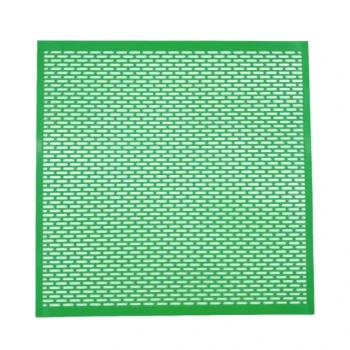
- High Performance Plastic Queen Excluder for Beekeeping and Apiary Management
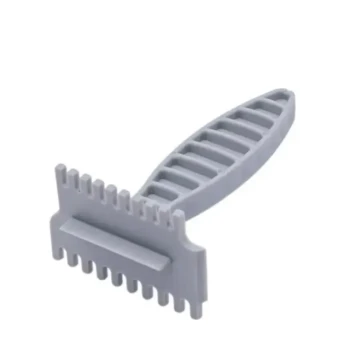
- Lightweight Durable Plastic Queen Excluder Scraper for Beekeeping
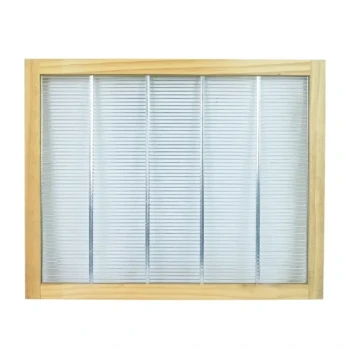
- Premium Wood Framed Metal Wire Queen Bee Excluder
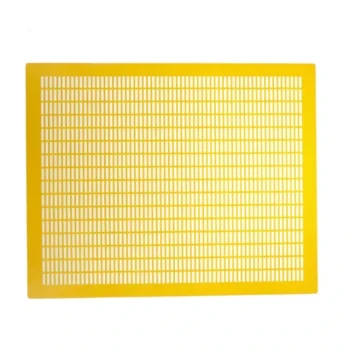
- Professional Plastic Queen Excluder for Modern Beekeeping
- Metal Queen Bee Excluder for Beekeeping
People Also Ask
- What are the characteristics of a plastic queen excluder? Key Benefits for Cost-Effective Beekeeping
- What are the operational and cost advantages of using plastic queen excluders over metal or wire excluders in commercial hive management? Discover how they reduce labor, prevent wing damage, and lower total costs.
- What types of queen excluders are available for beekeepers? Choose the Right Tool for Your Hive
- Why are standardized hive frames and queen excluders essential for maintaining honey purity and quality? Scale Your Purity
- Do plastic queen excluders work? A Cost-Effective Solution for Modern Apiaries