As temperatures drop in autumn, pests actively seek the warmth and food resources concentrated within a beehive. To secure the colony, you must immediately install entrance guards and reduce the size of the hive entrance, physically blocking larger intruders from accessing the hive while the bees become less active.
Pests view a beehive as a comprehensive winter shelter offering heat and food. Defense relies on mechanically restricting access points and maintaining a dense population of bees to internalize security.
Physical Barriers and Entrance Management
Restricting the Perimeter
As the weather cools, the bee colony naturally clusters together to conserve heat. This clustering leaves the hive entrance less guarded than it is during the summer.
To compensate for this, you must reduce the size of the hive entrance. By narrowing the opening, you make the defensible area smaller, allowing fewer bees to effectively guard against intruders.
Installing Mouse Guards
Mice are a specific threat in October and throughout autumn, as they look for nesting sites protected from the cold.
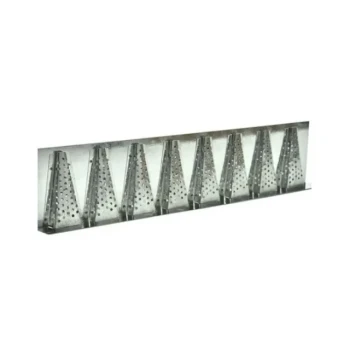
You should install mouse guards at the entrance. These metal or plastic strips allow bees to pass through but have holes too small for rodents to squeeze through. This prevents mice from entering, destroying comb, and consuming stored honey.
Internal Defense and Colony Health
Density as a Deterrent
Physical barriers are only the first line of defense; the bees themselves are the second.
You must maintain a strong, high-density population of worker bees. A robust population ensures there are enough bees to patrol the interior and harass pests like the small hive beetle.
Managing Small Hive Beetles
Small hive beetles (SHB) remain a threat even as temperatures cool. They can hide in corners where the bees cannot easily corral them.
Regular inspections are necessary for early detection. If beetles are present, utilize specialized supplies such as beetle traps or oil trays to reduce their numbers before winter sets in.
Regional Strategy
Pest behavior varies by climate. Consult with local beekeeping clubs to understand specific regional treatment strategies. Local data often dictates the precise timing for installing guards or treating for beetles.
Environmental Stressors and Positioning
Reducing Wind Exposure
Pests are not the only threat; environmental stress weakens the colony, making it more susceptible to invasion.
Move hives to locations that are protected from the wind. A wind-chilled hive consumes more resources to stay warm, leaving them with less energy for defense.
Managing Moisture and Ventilation
While sealing the hive against pests, do not hermetically seal the colony.
Verify that the setup provides adequate ventilation and moisture control. Cold, wet air inside the hive is often more lethal than the cold itself.
Common Pitfalls to Avoid
Over-Sealing the Hive
A common mistake is reducing ventilation in an attempt to block every potential pest entry point.
While entrance reducers are vital, you must ensure airflow continues to prevent condensation buildup. Excess moisture can freeze or cause mold, killing the colony from the inside.
Neglecting Food Reserves
A starving colony is a weak colony. Beekeepers often focus so much on barriers that they forget to check food stores.
Ensure colonies are fed for the winter. If the bees are malnourished, they will lack the energy required to cluster effectively or defend against even minor pest intrusions.
Making the Right Choice for Your Goal
To ensure your hives survive the autumn transition, prioritize your actions based on your specific risks:
- If your primary focus is preventing rodent damage: Install robust mouse guards immediately in October and reduce the entrance size to the smallest setting.
- If your primary focus is controlling small hive beetles: Maintain a high density of worker bees and continue using beetle traps until the cold renders the beetles inactive.
- If your primary focus is overall colony survival: Move the hive to a wind-protected area and ensure adequate food stores to keep the population strong enough to defend itself.
By combining mechanical exclusion with strong colony health, you turn the hive into a fortress rather than a shelter for pests.
Summary Table:
| Protection Method | Primary Target | Key Benefit |
|---|---|---|
| Entrance Reducers | Larger Intruders | Minimizes the area bees need to patrol/defend. |
| Mouse Guards | Rodents | Prevents nesting and destruction of honeycombs. |
| Beetle Traps | Small Hive Beetles | Reduces pest populations before winter dormancy. |
| Windbreaks | Environmental Stress | Conserves colony energy for internal defense. |
| Population Density | All Internal Pests | Ensures active patrol and harassment of invaders. |
Secure Your Apiary’s Future with HONESTBEE
Protecting your colony from autumn pests requires more than just strategy—it requires professional-grade equipment. HONESTBEE is dedicated to supporting commercial apiaries and distributors with a robust wholesale catalog of high-performance beekeeping essentials.
Whether you need precision mouse guards and entrance reducers, automated honey-filling machines, or durable hive-making hardware, we provide the industrial tools necessary to scale your operations and safeguard your bees. Our portfolio also includes unique honey-themed cultural merchandise to help you grow your brand presence.
Ready to upgrade your equipment? Contact us today to discuss our bulk pricing and see how HONESTBEE can strengthen your beekeeping business.
Related Products
- Metal Hive Feet Bee Hive Stand for Ant Protection
- Steel Round Disc Entrance Reducer for Flexzion Bee Hive Nuc Box Gate
- Inner Beehive Cover for Beekeeping Bee Hive Inner Cover
- Beekeeping Gloves Goatskin Leather with Long Cotton Sleeve for Beekeepers
- Metal Bee Hive Stand Bee Box Stand for Beekeeping
People Also Ask
- What are the benefits of elevating a bee hive with a stand or base? Protect Your Colony and Your Back
- How does a beehive stand protect against predators and pests? Essential Strategies for Colony Security
- How should the height of a beehive stand be determined? Find Your Ergonomic Sweet Spot
- What to stand a beehive on? The Best Foundation for a Healthy, Manageable Apiary
- What is the best base for a beehive? Choose the Right Stand for Colony Health