Beeswax value-addition transforms a standard byproduct into a distinct revenue stream. By capturing wax generated during honey production and processing it using specialized molds, beekeepers can create marketable items such as candles and polishes. This process effectively converts materials that might otherwise be discarded into saleable goods, directly impacting the bottom line.
Value addition is not merely about creating new products; it is about maximizing the yield of your existing operations. By extending the beekeeping value chain to include beeswax processing, you significantly broaden profit margins and optimize overall resource utilization.
The Mechanics of Value Addition
Capturing the Byproduct
In a standard apiary, the primary focus is often honey. However, beeswax is a valuable byproduct inherent to this process.
Instead of treating wax cappings or excess comb as waste, successful value-addition begins with the rigorous collection of this material. This requires viewing the hive as a source of multiple raw materials, not just one.
The Role of Specialized Tooling
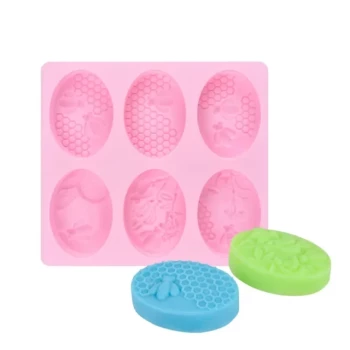
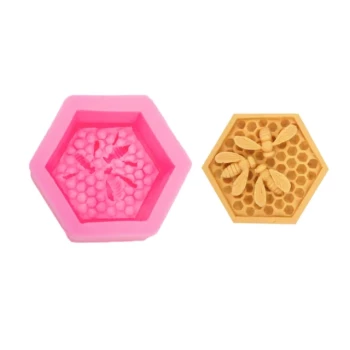
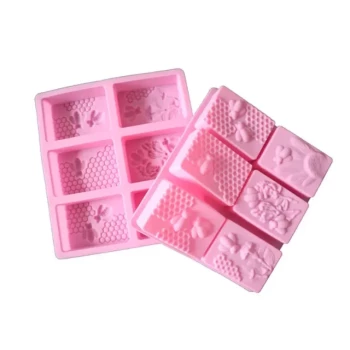
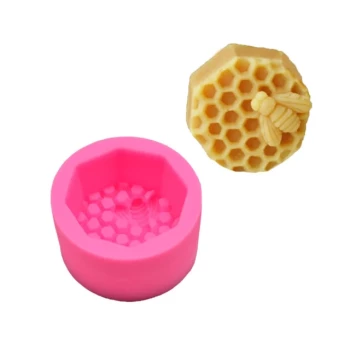
To convert raw wax into a commercial product, specific equipment is required. Specialized molds are the central tool in this phase.
These molds allow for the standardization of products. They enable the raw material to be shaped consistent, high-quality forms suitable for retail.
Creating Finished Goods
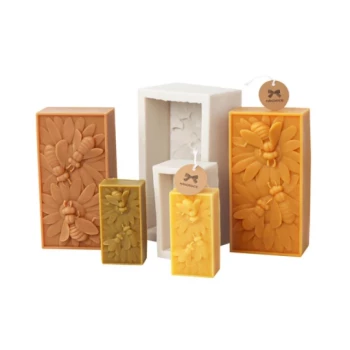
The primary reference highlights two specific applications for processed wax: candles and polishes.
These items typically command a higher price point per unit of weight compared to raw wax. By manufacturing these goods, you move from selling a raw commodity to selling a finished consumer product.
Economic Implications
Extending the Value Chain
Value addition extends the beekeeping value chain. Rather than the process ending at the extraction of honey, the operational timeline is lengthened to include manufacturing.
This extension captures more value within the business. You are capturing the margin that would otherwise go to an external manufacturer.
Improving Resource Utilization
Profitability is often a function of efficiency. Processing beeswax improves the overall utilization rate of the hive's output.
When "waste" materials are monetized, the cost of maintaining the hive is spread across a wider array of revenue sources. This diversifies income and reduces reliance on honey yields alone.
Understanding the Constraints
Processing Requirements
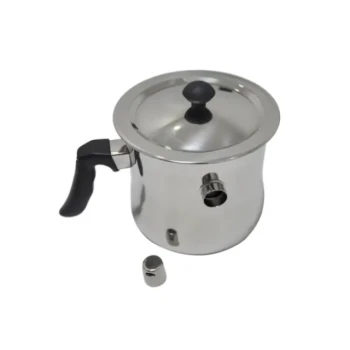
While the raw material is essentially free (as a byproduct), the process is not. Using specialized molds implies an upfront investment in tooling and equipment.
Operational Complexity
Adding a manufacturing step increases the complexity of the operation. You are no longer just maintaining hives; you are managing production inventory for candles or polishes. This requires time and labor that must be weighed against the potential profit margins.
Making the Right Choice for Your Goal
To determine if beeswax value-addition is the right strategy for your operation, consider your specific business objectives:
- If your primary focus is maximizing profit per hive: Invest in molds to convert all byproduct wax into high-margin finished goods like candles.
- If your primary focus is operational simplicity: Focus on bulk collection of wax to sell as a raw material, avoiding the complexity of manufacturing polishes or candles.
True efficiency in beekeeping comes from recognizing that every gram of material produced by the hive represents potential revenue.
Summary Table:
| Process Stage | Key Input/Tool | Output Product | Value Impact |
|---|---|---|---|
| Collection | Wax cappings & excess comb | Raw Beeswax | Converts waste into raw material |
| Processing | Specialized Molds | Standardized Forms | Enables retail-ready product shaping |
| Manufacturing | Refining equipment | Candles & Polishes | Higher price point per unit weight |
| Distribution | Retail packaging | Finished Goods | Captures manufacturing margins |
Maximize Your Hive’s Potential with HONESTBEE
Are you ready to transform your commercial apiary from a honey producer into a diversified manufacturing powerhouse? At HONESTBEE, we specialize in empowering large-scale beekeepers and distributors with the tools needed to capture every cent of value from the hive.
From high-precision beeswax molds and specialized hardware to honey-filling machines and comprehensive hive-making equipment, our wholesale portfolio is designed for industrial efficiency. We don't just supply tools; we provide the machinery and consumables that turn your byproducts into profitable honey-themed merchandise and retail-ready goods.
Take control of your entire value chain today. Contact our expert team to discuss how our professional-grade equipment can scale your operations and boost your bottom line.
References
- Miriti Lydiah, Maina Immaculate. GENDER GAPS IN THE LEVELS OF PARTICIPATION IN IMPROVED BEE KEEPING: CASE OF THE MAASAI COMMUNITY IN TRANS MARA, NAROK COUNTY, KENYA. DOI: 10.47604/jlp.v1i1.846
This article is also based on technical information from HonestBee Knowledge Base .
Related Products
- Colorful Silicone Beeswax Foundation Mold Mould for Beekeeping
- Notebook Style Beeswax Foundation Mould Wax Foundation Mold
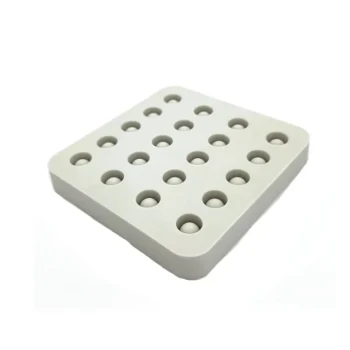
- High-Efficiency 20-Cell Silicone Mold for Beeswax Bee Queen Cup Production
- 3D Square Honeycomb Pillar Silicone Candle Molds for Making Beeswax Candles
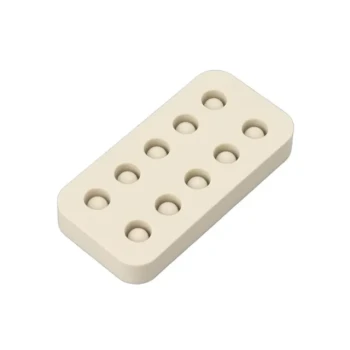
- 10-Cell Silicone Beeswax Bee Queen Cups Forming Mold
People Also Ask
- How do beeswax foundation molds facilitate the construction of standardized honeycombs? Optimize Your Apiary Efficiency
- How do you use the Foundation Mold to create beeswax foundation? Master DIY Beekeeping with Precision
- What is the first tip for pouring beeswax into a silicone mold? Ensure a Perfect Release
- Why are specific wax foundation molds used to downsize brood cells? Master Mechanical Pest Inhibition
- What is a foundation mold used for? Turn Your Wax Cappings into High-Quality Foundations