Commercial apiaries can implement epidemiological monitoring by combining standardized inspections, diagnostic sampling, targeted treatments, follow-up checks, and disciplined recordkeeping. Specialized hive-handling tools, protective equipment, sampling supplies, sanitizing products, pest-control consumables, and monitoring software give field teams the infrastructure to identify health anomalies before they become regional or multi-apiary losses. The objective is not simply to treat sick colonies, but to build a repeatable system that detects problems early, compares results against reliable baselines, and limits disease transmission.
Epidemiological apiary management is a continuous control cycle: prevent, inspect, measure, compare, treat, recheck, and record. The right tools and consumables make that cycle practical across large apiary networks.
Build a Repeatable Monitoring System
Start With Local Preventive Guidelines
Commercial operations should begin by aligning inspection and treatment procedures with local veterinary, agricultural, and beekeeping regulations. These guidelines determine which diseases require notification, which treatments are approved, and how products must be applied around honey, brood, and overwintering colonies.
Written protocols should define inspection frequency, hygiene requirements, equipment handling, treatment authorization, and escalation procedures. Standardization matters because epidemiological data is only useful when teams collect it in comparable ways.
Equip Teams for Safe, Consistent Inspections
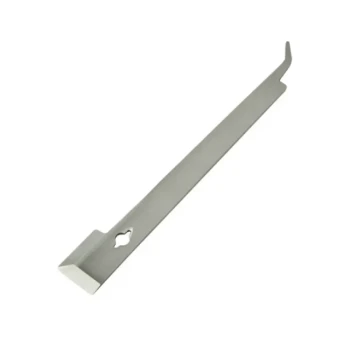
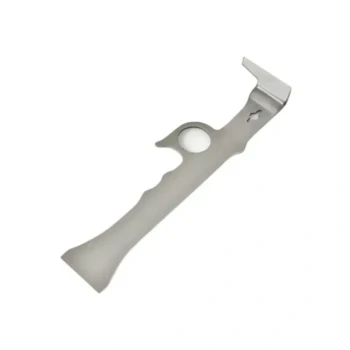
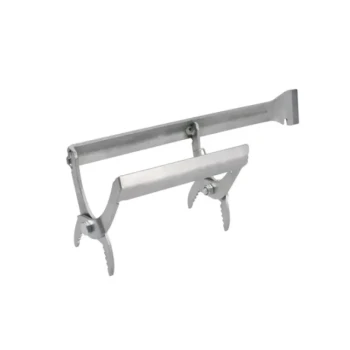
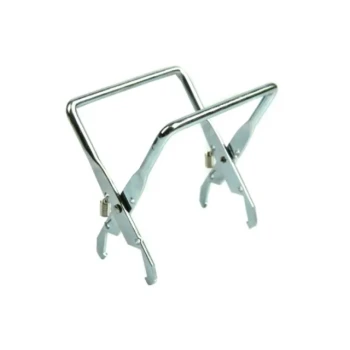
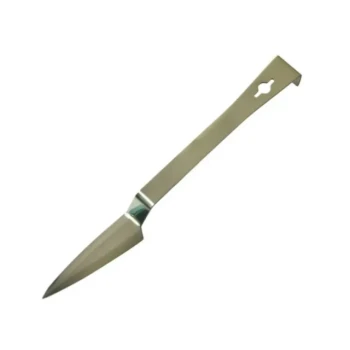
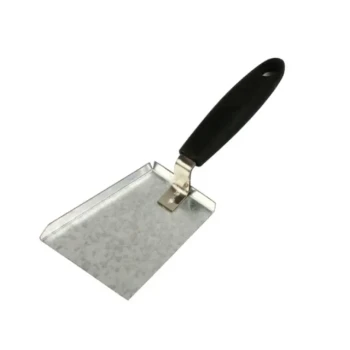
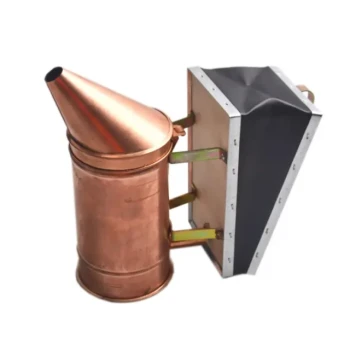
Protective suits, veils, gloves, smokers, hive tools, frame grips, scrapers, and suitable lighting allow field teams to inspect colonies thoroughly while controlling worker exposure. A safer inspection environment also makes frequent monitoring more practical.
The objective is to reduce unnecessary colony disturbance while giving inspectors reliable access to brood, adult bees, comb, food stores, and hive structure. Consistent use of professional tools improves both worker safety and the quality of observations.
Standardize Diagnostic Sampling
Sampling equipment should be organized into field-ready kits containing clean containers, labels, disposable materials, sanitation supplies, and the tools required for the relevant inspection. Each sample should be linked to a specific apiary, hive, date, location, and inspector.
A standardized process reduces contamination and makes results easier to compare across sites. It also gives distributors and resellers an opportunity to provide complete monitoring kits rather than disconnected individual products.
Measure Colony Health Against a Baseline
Define the Baseline at Apiary Level
A baseline should describe normal conditions for each operation, including colony strength, brood pattern, adult bee activity, mite levels, mortality, food reserves, and relevant disease findings. The baseline should account for season, geography, weather, and management practices.
There is no single universal “normal” value for every apiary. A commercial operator should compare current findings with its own historical records and with appropriate regional or production benchmarks.
Monitor Varroa and Virus Risk Together
Varroa mites are an important transmission vector for several honeybee viruses, including Deformed Wing Virus. Monitoring mite levels therefore provides both a direct pest measurement and an early indicator of elevated viral risk.
Field teams can use appropriate mite-monitoring methods alongside frame-handling tools, inspection equipment, and approved control products. Managing the vector at its source can reduce dependence on repeated chemical intervention, although treatment decisions must still follow local requirements and verified infestation levels.
Include Nosemosis in Adult-Bee Health Checks
Nosemosis can reduce adult bee longevity, impair flight, and weaken colony productivity. Routine inspections should therefore include attention to adult bee behavior, population strength, signs of reduced activity, and other indicators that justify diagnostic testing.
Frame tools, hive scrapers, sanitation equipment, and clean sampling materials support these checks. Where contamination or damaged comb is identified, approved treatment and comb-replacement procedures should be incorporated into the response plan.
Use Digital Records Across Multiple Locations
Monitoring software or structured digital records can connect hive observations across geographically dispersed apiaries. Useful records include inspection findings, sample results, treatment dates, product details, recheck results, colony movements, and mortality events.
Real-time status information helps managers prioritize patrol routes, coordinate field teams, schedule interventions, and plan harvest operations. It also gives distributors and B2B buyers a clearer basis for selecting compatible tools, consumables, and replenishment quantities.
Respond With Targeted Interventions
Match the Treatment to the Finding
A detected anomaly should lead to a defined response rather than an automatic blanket treatment. Managers should identify the likely disease or pest, confirm the finding where necessary, and select an approved intervention appropriate to the colony condition and production context.
Targeted treatment reduces unnecessary product use and helps preserve treatment effectiveness. It also supports residue-control requirements and improves the traceability of decisions across commercial operations.
Control Transmission Between Colonies
Disease management must consider movement between hives, apiaries, equipment, workers, and transported colonies. Sanitizing equipment, managing contaminated materials, and controlling the use of shared tools help create a practical biosecurity barrier.
Operational procedures should specify when tools are cleaned, when consumables are replaced, and how suspect equipment or comb is isolated. These details are especially important for large operations where small process failures can affect many colonies.
Maintain a Ready Supply of Consumables
Monitoring programs depend on recurring supplies, including sampling materials, sanitation products, protective equipment, approved pest-control products, replacement comb components, labels, and recordkeeping materials. Stockouts can delay both diagnosis and intervention.
Distributors and wholesalers can add value through one-stop sourcing, preconfigured field kits, demand-based replenishment, and rapid order fulfillment. Dedicated technical support is also valuable when customers need to match products to seasonal inspection programs or multiple apiary locations.
Verify Whether the Intervention Worked
Recheck at a Defined Interval
Treatment is incomplete until its effect has been evaluated. Rechecks should use comparable inspection or sampling methods so that managers can determine whether the relevant pest or disease indicator has declined.
The timing of the recheck depends on the condition, treatment, season, and local protocol. The essential principle is to establish the follow-up step before the intervention is applied.
Escalate Persistent Problems
If indicators remain elevated, managers should investigate possible reinfestation, incorrect application, inadequate coverage, equipment contamination, or an inaccurate initial diagnosis. Repeatedly applying the same intervention without reassessing the cause can waste resources and allow losses to expand.
Persistent or unusual findings should be escalated through the operation’s veterinary, diagnostic, or regulatory channels as required. Clear escalation rules prevent field teams from making inconsistent decisions.
Use Results to Improve the Baseline
Recheck results should be added to the colony’s history and reviewed at apiary level. Over time, this reveals seasonal patterns, recurring risk locations, treatment performance, and operational weaknesses.
The baseline is therefore a working management tool, not a fixed report. It becomes more useful as the operation collects consistent data across multiple production cycles.
Understanding the Trade-offs
More Monitoring Requires More Labor
Frequent inspections, sampling, sanitation, and recordkeeping require labor, training, transport, and management time. These costs must be balanced against the financial impact of colony depletion, treatment failure, and production interruptions.
A risk-based schedule can focus intensive monitoring on high-density apiaries, recently moved colonies, historically affected sites, or periods of elevated pest pressure. Monitoring should become more systematic, not unnecessarily burdensome.
Tools Improve Control but Do Not Replace Expertise
A professional hive tool or digital platform cannot determine the correct response without trained interpretation. Poor sampling, inconsistent observations, or incorrect data entry can produce false confidence even when the equipment is high quality.
Suppliers should therefore support products with clear specifications, usage guidance, training resources, and responsive customer service. Product quality and professional competence are complementary requirements.
Chemical Control Has Operational Constraints
Approved chemical treatments may be necessary, but they can involve application restrictions, residue concerns, resistance risks, timing limitations, and potential effects on colonies or production schedules. Product selection must reflect local authorization and label requirements.
Integrated pest management, including monitoring and biological or mechanical control methods where appropriate, can reduce unnecessary chemical exposure. It should not be presented as a universal substitute for every approved treatment.
Standardization Must Allow for Local Conditions
Uniform forms and inspection kits improve comparability, but apiaries differ in climate, forage, colony genetics, seasonal cycles, and production objectives. A protocol that ignores these differences may classify normal variation as disease or overlook a genuine local risk.
Commercial operators should standardize the process while allowing thresholds and inspection timing to be calibrated to local conditions and validated historical data.
How to Apply This to a Commercial Apiary
A practical program should connect field procedures, product supply, technical support, and digital records into one operating system.
- If your primary focus is early disease detection: Establish scheduled inspections with standardized protective equipment, frame-handling tools, sampling kits, labels, sanitation supplies, and colony-level records.
- If your primary focus is Varroa and virus control: Track mite levels consistently, connect results to virus-risk assessments, and use approved targeted control methods with documented rechecks.
- If your primary focus is large multi-site operations: Use monitoring software or structured digital records to compare apiaries, prioritize field routes, and coordinate supplies across locations.
- If your primary focus is biosecurity: Define tool-cleaning, comb-replacement, equipment-isolation, and consumable-disposal procedures for every field team.
- If your primary focus is distributor or wholesale service: Offer complete inspection and treatment kits, rapid replenishment, reliable fulfillment, and technical assistance matched to commercial apiary workflows.
- If your primary focus is production continuity: Maintain inventory of essential protective, diagnostic, sanitation, and treatment consumables so detected problems can be addressed without avoidable delays.
A disciplined monitoring cycle, supported by the right tools and dependable supply infrastructure, gives commercial apiaries a clearer path to healthier colonies and more resilient production.
Summary Table:
| Key Strategy | Specialized Tools & Consumables | Expected Outcome |
|---|---|---|
| Preventive Baseline | Protective suits, smokers, hive tools, inspection forms | Consistent, safe inspections |
| Diagnostic Sampling | Sample containers, labels, sanitation supplies | High-quality, traceable samples |
| Varroa & Virus Monitoring | Mite counting boards, alcohol wash kits, digital records | Early detection and trend analysis |
| Targeted Treatment | Approved treatments, applicators, replacement comb | Reduced chemical use, effective control |
| Biosecurity Control | Disinfectants, disposable clothing, isolation equipment | Limit disease spread |
| Digital Recordkeeping | Monitoring software or structured logs | Data-driven management across sites |
Elevate your apiary's health management with HONESTBEE's comprehensive range of professional beekeeping tools, diagnostic kits, and treatment consumables. As a trusted B2B partner, we offer one-stop sourcing for all your needs—from hive-handling equipment to monitoring software—with rapid delivery and dedicated technical support. Our OEM/ODM services and certified products ensure you operate efficiently, reduce disease risks, and maintain production continuity. Contact our team today to secure a resilient supply chain for your commercial apiary. Get in touch now!
Related Products
- Professional Dual-End Stainless Steel Hive Tool for Beekeeping
- HONESTBEE Professional Mini J-Hook Hive Tool for Beekeeping
- Stainless Steel J Hook Hive Tool for Beekeeping
- HONESTBEE Advanced Ergonomic Stainless Steel Hive Tool for Beekeeping
- Wooden Bee Brush with Triple Row Artificial Fiber for Beekeeping
People Also Ask
- What specific challenges do beekeeping hive tools address during hive maintenance? Essential Solutions for Apiaries
- Why are professional hive tools considered indispensable? Master Beekeeping Maintenance with Precision Leverage
- What is the role of professional hive tools in routine apiary maintenance? Expert Tips for Hive Health and Longevity
- What role do professional beehives and beekeeping tools play in honey prosumption? Scale yield & commercial success.
- What are the primary functions of a stainless steel hive tool? Essential Equipment for Professional Beekeeping