Standardized hive hardware reduces disease risk by making equipment easier to clean, isolate, replace, and track. Commercial apiaries should use interchangeable frames, precisely fitted hive bodies, durable stainless-steel tools, and dedicated components for separate apiary locations. This approach does not eliminate European foulbrood (EFB), but it makes rapid inspection, containment, and sanitation practical across a large operation.
The central benefit of standardization is controlled interchangeability: components can be exchanged when necessary, but their movement can also be restricted, documented, cleaned, or stopped when disease is detected.
Why Standardization Matters for Disease Control
Shared equipment is a transmission route
EFB and other brood diseases can move between colonies through contaminated brood frames, hive tools, gloves, protective clothing, feeders, and exposed hive debris.
The greater the number of colonies and apiary sites, the more opportunities there are for contaminated equipment to circulate before symptoms are recognized.
Uniform components support rapid isolation
When frames and boxes follow consistent dimensions, an operator can remove a suspect frame quickly and replace it with a clean, compatible component.
This is especially important during commercial inspections, where delays increase the chance that contaminated equipment will be moved to another colony.
Consistent construction improves sanitation
Precisely manufactured hive bodies and frames have more reliable joints, frame rests, and internal dimensions. Fewer gaps and damaged surfaces make it easier to inspect, scrape, clean, and disinfect equipment.
Good structural alignment also helps reduce areas where moisture, debris, and pests can accumulate—conditions that complicate colony management and sanitation.
Build a Hardware System Around Biosecurity
Use interchangeable frame systems
A standardized frame system allows operators to maintain consistent dimensions throughout the operation. Frames can be inspected, quarantined, replaced, or destroyed without requiring improvised modifications.
Interchangeability should not mean unrestricted movement. Frames from suspect colonies should remain isolated until the colony’s disease status and the appropriate treatment of the equipment are known.
Assign equipment to specific apiary locations
Commercial operators should dedicate hive bodies, bottom boards, inner covers, and tools to defined apiaries or management zones wherever practical.
Clear labels, durable markings, or color-coded equipment can help prevent accidental movement between locations. This creates a physical separation between clean, suspect, and quarantined equipment.
Select cleanable, heat- and chemical-resistant hardware
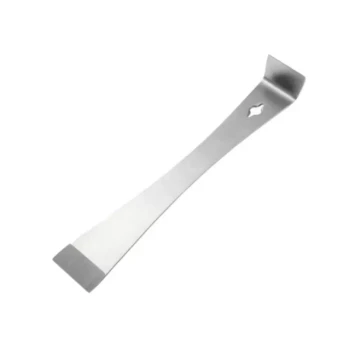
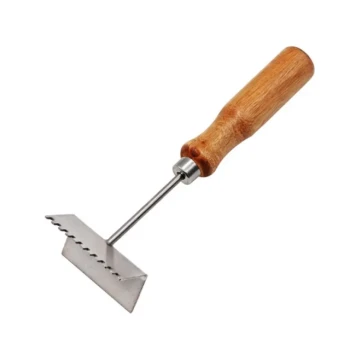
Stainless-steel hive tools are preferable to porous or heavily damaged tools because they can be scraped, washed, and disinfected repeatedly.
The same principle applies to other supplies: choose components that tolerate the cleaning method required by the operation, including washing, approved disinfectants, or heat treatment where appropriate.
Avoid second-hand woodenware
Used wooden hive equipment presents a particularly difficult biosecurity problem because contamination can remain in cracks, joints, frame rests, and internal surfaces.
Commercial apiaries should avoid second-hand woodenware unless it can be treated using a validated procedure appropriate to the suspected pathogen and local regulations. In many cases, purchasing new, standardized woodenware is the lower-risk operational choice.
Create a Controlled Inspection Workflow
Inspect from lowest risk to highest risk
Inspection routes should be planned so that healthy or low-risk colonies are handled before suspect colonies. Disease status should determine the order in which equipment, gloves, tools, and protective clothing are used.
This limits the chance that contaminated material will be carried into colonies that have not yet been exposed.
Disinfect tools between colonies
Hive tools, working surfaces, gloves, and other reusable inspection items should be cleaned and disinfected between colonies, not merely at the end of the day.
Organic material must first be removed because debris and propolis can interfere with disinfectant performance. Operators should use a documented procedure and a disinfectant compatible with the equipment.
Manage protective clothing and smokers
Bee suits, gloves, and other protective clothing can transfer pathogens between colonies. Washable protective equipment should be cleaned routinely, with additional cleaning after work in a suspect or confirmed colony.
Smokers and other frequently handled items also require attention. Their exterior surfaces should not become a hidden route for moving contaminated material from one hive to another.
Never leave used equipment exposed
Removed frames, covers, and hive parts should be placed in sealed or protected containers rather than left where foraging bees can contact them.
Exposure can allow bees to rob contaminated material and carry it back to other colonies, undermining the apiary’s inspection and isolation procedures.
Separate EFB Management from AFB Management
EFB may allow controlled sanitation and reuse
European foulbrood does not form the same long-lived spores associated with American foulbrood (AFB). Depending on the diagnosis, disease severity, and veterinary guidance, hive bodies and wooden frames affected by EFB may be disinfected and reused.
That decision should follow a confirmed diagnosis and an approved sanitation protocol rather than relying on visual assumptions alone.
AFB requires a more conservative response
AFB is caused by Paenibacillus larvae, whose spores can remain viable in hive equipment for decades. Heavily contaminated frames and wooden components generally cannot be reliably disinfected and may need to be destroyed.
Contaminated frames, inner covers, and bottom boards may require burning, while reusable hive bodies should only be treated using an appropriate, validated decontamination method.
Confirm the disease before choosing the response
EFB and AFB require different equipment decisions. Testing and professional diagnosis are important before an operator chooses between cleaning, quarantining, replacing, or destroying hive components.
A symptom-based response alone can result in either unnecessary destruction or inadequate control of a serious contamination event.
Use Standardized Replacement and Renewal Policies
Rotate older brood comb out of service
Commercial apiaries can reduce the accumulation of contaminated or degraded comb by replacing a planned portion of brood frames each year.
One cited management approach is to replace approximately 20% of brood frames annually, keeping brood comb from remaining in service indefinitely. Replacement schedules should be adapted to the operation’s disease history, climate, and veterinary recommendations.
Maintain clean reserve equipment
A standardized hardware program is most effective when the apiary maintains a sufficient supply of clean frames, hive bodies, bottom boards, and covers.
This allows staff to remove suspect components immediately instead of returning them to service because replacement equipment is unavailable.
Track movement and condition
Equipment records should identify where frames and hive components have been used, especially when items move between apiaries.
Tracking makes it easier to identify possible contact points, isolate related equipment, and prevent a contaminated component from quietly re-entering the production system.
Understanding the Trade-offs
Standardization does not replace sanitation
Interchangeable equipment can also spread disease faster if frames are moved indiscriminately between colonies.
The objective is controlled interchangeability, supported by labeling, inspection records, quarantine procedures, and strict limits on equipment movement.
Cleaning may not be enough for every pathogen
EFB equipment may sometimes be sanitized and reused, but AFB spores create a substantially more serious decontamination challenge.
Operators should not apply one universal cleaning method to every disease. The pathogen, material, contamination level, and local regulatory requirements must determine the response.
More hardware increases management complexity
A commercial operation needs enough spare equipment to isolate colonies without disrupting production. That creates additional purchasing, storage, labeling, and inventory requirements.
For distributors and wholesalers, this means a useful supply program should include complete, compatible hardware systems—not just individual hive boxes or frames.
Low-quality dimensions undermine the system
Inaccurate frames, inconsistent box dimensions, poor joints, and rough internal surfaces reduce the value of standardization.
Reliable manufacturing and quality control are therefore biosecurity considerations, not merely appearance or convenience issues.
Making the Right Choice for Your Goal
A standardized hardware program should be matched to the apiary’s disease risk, operating scale, and service requirements.
- If your primary focus is disease containment: Use interchangeable frames and dedicated equipment zones so suspect components can be removed, labeled, quarantined, and replaced immediately.
- If your primary focus is inspection efficiency: Choose precisely dimensioned hive bodies, frames, and durable stainless-steel tools that support fast handling and repeatable sanitation.
- If your primary focus is long-term equipment control: Establish replacement schedules, maintain clean reserve inventory, and track frame and hive-component movement between colonies and apiary sites.
- If your primary focus is reliable commercial sourcing: Work with suppliers able to provide a compatible, full-spectrum hardware portfolio, responsive service, consistent quality, and rapid fulfillment across repeat orders.
- If your primary focus is outbreak response: Separate EFB and AFB procedures, confirm the diagnosis, and follow veterinary or regulatory guidance before sanitizing or destroying equipment.
Standardized hive hardware becomes a biosecurity advantage when every component is designed for controlled movement, effective sanitation, and immediate replacement.
Summary Table:
| Strategy | Key Actions | Benefits |
|---|---|---|
| Standardized frames | Use interchangeable, precisely fitted frames | Rapid isolation and replacement during inspections |
| Dedicated equipment zones | Assign hive bodies and tools to specific apiaries | Prevents cross-site contamination |
| Cleanable materials | Choose stainless-steel tools and sealed surfaces | Easier sanitation and disinfection |
| Controlled inspection workflow | Inspect low-risk colonies first; disinfect tools between hives | Minimizes pathogen transfer |
| Replacement policies | Rotate ~20% brood frames annually | Reduces comb contamination build-up |
| Biosecurity tracking | Document equipment movement and conditions | Enhances traceability and containment |
Ready to equip your commercial apiary with standardized hive hardware that supports biosecurity and operational efficiency? At HONESTBEE, we supply a comprehensive range of beekeeping tools, machinery, and equipment, including hives, frames, stainless-steel tools, and more. Our one-stop sourcing solution ensures consistent quality, fast delivery, and dedicated service, so you can focus on colony health. Contact us today to discuss your requirements and discover how we can help you protect your operation. Get in touch now to learn more about our wholesale offerings for commercial apiaries and distributors.
Related Products
- Professional Stainless Steel Pry-Bar Hive Tool
- Ergonomic Two Person Foldable Hive Lifter
- Ergonomic Plastic Frame Spacer Tool for Rapid Hive Management Beekeeping
- HONESTBEE Premium Italian Style Hive Tool with Hardwood Handle
- Heavy Duty Adjustable Hive Connector
People Also Ask
- Which technical challenges in hive maintenance are addressed by using a professional stainless steel hive tool?
- What is the function of a professional stainless steel hive tool in IFB? Optimize Your Colony Strength Assessment
- What are the primary functions of a stainless steel hive tool? Essential Equipment for Professional Beekeeping
- What are the primary functions of a stainless steel hive tool? Essential Tips for Efficient Apiary Maintenance
- What is the role of professional hive tools in routine apiary maintenance? Expert Tips for Hive Health and Longevity