Commercial beekeepers can detect parasitic mite infestations early by combining visual hive inspections with routine mite-counting methods. Inspect brood frames for bald or spotty brood, white fecal deposits, mites on adult bees, and emerging bees with deformed wings. Then use sticky boards, alcohol wash or sugar roll kits, and uncapping tools to measure infestation levels before visible damage develops.
Visual symptoms signal a problem, but population monitoring confirms its severity. A repeatable inspection program using the right sampling supplies helps commercial apiaries identify Varroa or Tropilaelaps pressure early, target treatment appropriately, and verify whether control measures are working.
Build a Repeatable Inspection Routine
Inspect Adult Bees and Brood Frames
Examine adult bees, capped brood, and recently emerged bees during scheduled frame inspections. Red-brown adult female Varroa mites may be visible on bees, while mites can also be found among capped brood.
Look for bald brood, where worker bees remove caps from developing pupae, and irregular or “pepperpot” brood patterns. Emerging bees with stunted, distorted, or deformed wings are important warning signs of significant mite-related damage.
Use the Right Inspection Supplies
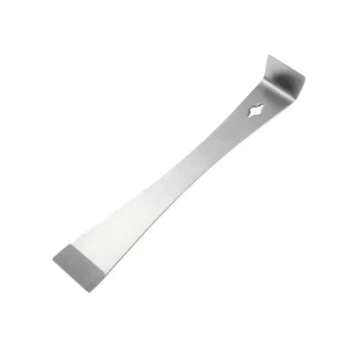
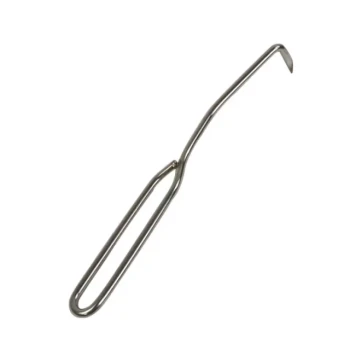
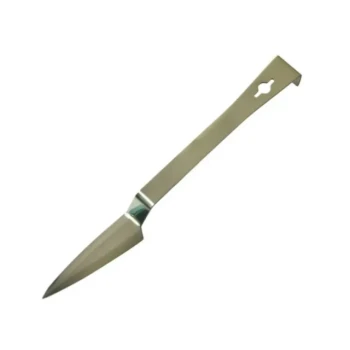
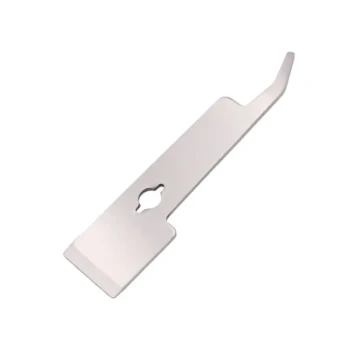
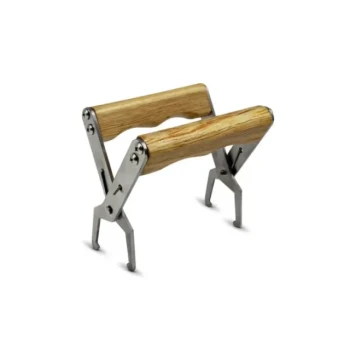
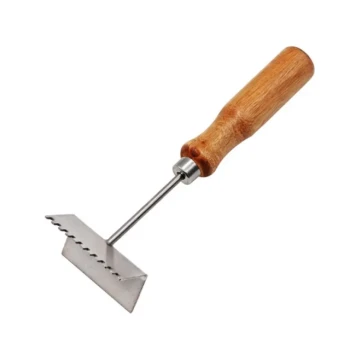
A commercial inspection kit should include a hive tool, protective equipment, adequate lighting, a frame grip, and a sampling container. Uncapping forks or scratchers are useful for opening capped drone brood, where Varroa commonly reproduces.
Dedicated mite-sampling containers, fine mesh screens, collection trays, and labeled sample bags improve consistency across yards and inspection teams. Standardized equipment also makes results easier to compare between colonies and dates.
Inspect Entrances and Hive Bottoms
Crawling workers, bees with abnormal wings, and unusual debris near the entrance can indicate colony stress. These observations are useful screening indicators, but they should be followed by a quantitative mite test.
Screened bottom boards allow mites to fall away from the bee cluster and make monitoring easier. They also provide a stable location for sticky diagnostic boards beneath the colony.
Measure Mite Loads Quantitatively
Use Sticky Boards for Passive Monitoring
Place a sticky board beneath the screened bottom board for a defined monitoring period, then count the mites captured. This method can identify changes in natural mite drop and help compare infestation pressure across colonies.
Sticky boards are practical for commercial operations because they require limited disturbance. However, natural drop counts are influenced by colony size, weather, bee behavior, and the presence of treatments, so they should be treated as a screening method rather than the only diagnostic measurement.
Conduct Alcohol Wash Tests
An alcohol wash provides a more direct estimate of mites on adult bees. A beekeeper collects a standardized sample, commonly about 300 bees, agitates them in alcohol, and counts the mites separated from the bees.
This method is highly useful when management decisions depend on an accurate mite estimate. Samples should be taken consistently, with care to avoid collecting the queen and to record the colony, yard, date, and number of bees tested.
Use Sugar Rolls When Bee Preservation Matters
A powdered sugar roll coats sampled bees with sugar, loosening mites so they can be shaken through a fine mesh screen into a counting container. The method is less destructive to the sampled bees than an alcohol wash when performed correctly.
Sugar rolls can support frequent commercial monitoring, especially when operators want to preserve the sample. Because results can vary with humidity, sugar coverage, shaking technique, and sample size, teams should follow one standardized procedure and interpret results conservatively.
Monitor Capped Drone Brood
Use an uncapping fork or scratcher to open capped drone brood and inspect the developing pupae and cell interiors. The presence of mites, mite feces, or reproductive signs indicates that Varroa is established within the colony.
Drone-brood inspection is valuable as an early warning method, but it may not represent the full colony mite population. Pair it with an adult-bee sample or sticky-board monitoring for a more complete assessment.
Distinguish Mites From Brood Disease
Separate Varroa Damage From American Foulbrood
Varroa-related brood damage can produce irregular brood patterns and discolored or dying larvae, which may resemble American foulbrood. AFB is more strongly associated with decomposed larvae that produce a characteristic sticky, rope-like strand when tested with a probe.
The absence of ropiness does not, by itself, prove that mites are responsible. When symptoms are ambiguous, isolate the diagnostic question: perform a mite count and use appropriate disease testing or veterinary guidance for suspected AFB.
Recognize Signs That Need Confirmation
White fecal deposits on cell walls, visible mites, damaged pupae, and deformed-winged bees support a mite diagnosis. These signs often indicate that the infestation is already advanced, so routine counting should begin before symptoms become obvious.
Tropilaelaps mites can also damage brood and may be difficult to distinguish from Varroa through casual inspection. Where these pests are geographically relevant, use locally appropriate diagnostic protocols and confirm uncertain findings through qualified laboratory or regulatory channels.
Connect Monitoring to IPM Decisions
Establish Action Thresholds
Use a defined threshold to determine when treatment or another control intervention is required. A commonly cited Varroa benchmark is 3 mites per 100 adult bees, or more than 9 mites in a 300-bee sample, but thresholds vary with season, climate, colony condition, and local extension guidance.
The threshold should be part of a written apiary protocol rather than an isolated number. Record the sampling method because an alcohol wash, sugar roll, and sticky-board count are not directly interchangeable.
Verify Treatment Performance
Repeat mite counts after treatment to confirm that the intervention reduced infestation. A colony that appears healthier may still carry enough mites to reinfest neighboring colonies or suffer later in the season.
Use treatment applicators such as oxalic-acid vaporizers or other approved delivery equipment only according to product labeling, local regulations, and bee-safety requirements. Monitoring is what determines whether the treatment achieved its intended result.
Coordinate Monitoring Across the Apiary
Mite populations move through robbing, drifting, equipment movement, and the exchange of bees or brood. A single untreated or heavily infested colony can undermine control efforts across an entire commercial yard.
Use consistent sampling schedules, labeled containers, shared counting forms, and documented equipment-cleaning procedures. This turns individual inspections into an apiary-wide pest management system.
Understanding the Trade-offs
Sticky Boards Are Efficient but Indirect
Sticky boards are inexpensive, low-disturbance, and useful for identifying trends. They are less reliable for precise decisions because mite drop depends on colony and environmental conditions.
Use them for surveillance and treatment checks, then confirm important results with an adult-bee sampling method.
Alcohol Washes Are Accurate but Destructive
Alcohol washes generally provide a strong estimate of mites carried by adult bees. Their main drawback is that the sampled bees are sacrificed, which makes some operators reluctant to use them frequently.
For commercial accuracy, the loss of a standardized sample is often justified when treatment decisions carry significant colony or production consequences.
Sugar Rolls Preserve Bees but Require Discipline
Sugar rolls reduce sample mortality and can be practical for frequent checks. They are more sensitive to operator technique and environmental conditions than alcohol washes.
Training and repeatable procedures are essential. If results are close to an action threshold, confirm them with a more definitive method.
Visual Inspection Cannot Replace Counting
Deformed wings and bald brood are valuable warning signs, but their absence does not demonstrate that mite levels are safe. Colonies can carry damaging mite populations before obvious clinical symptoms appear.
Relying only on visible symptoms delays intervention. The strongest program combines inspection, measurement, documentation, and follow-up.
Making the Right Choice for Your Goal
A commercial operation benefits from maintaining a complete, standardized monitoring and inspection inventory.
- If your primary focus is early warning: Use screened bottom boards, sticky boards, frame inspection tools, and regular visual checks to identify suspicious colonies and changing mite pressure.
- If your primary focus is accurate treatment decisions: Use standardized alcohol wash kits with labeled sampling containers, counting trays, and documented colony records.
- If your primary focus is preserving sampled bees: Use powdered sugar roll kits with fine mesh screens, while confirming borderline results with a more definitive test.
- If your primary focus is apiary-wide reliability: Source compatible inspection, sampling, sanitation, and treatment-application equipment through a dependable supplier that can support repeat orders and rapid fulfillment.
- If your primary focus is treatment verification: Repeat mite counts after intervention and compare the results with the pre-treatment baseline.
A disciplined combination of visual inspection supplies and quantitative monitoring gives beekeepers the evidence needed to control mites before they compromise colony productivity.
Summary Table:
| Method | What It Detects | Advantages | Limitations |
|---|---|---|---|
| Visual Inspection | Visible mites, bald brood, deformed wings | Quick, no equipment | Only detects advanced infestations |
| Sticky Board | Mites falling from bees | Passive, low disturbance | Indirect measure, influenced by environment |
| Alcohol Wash | Mites on adult bees | Accurate, standardized | Destructive to sampled bees |
| Sugar Roll | Mites on adult bees | Non-destructive, preserves bees | Technique-sensitive, variable results |
| Drone Brood Inspection | Mites in capped drone cells | Early warning, no sacrifice | Underestimates total mite load |
Ready to protect your apiary with reliable monitoring supplies? HONESTBEE offers a comprehensive range of beekeeping tools and mite detection equipment tailored for commercial operations. Our fast delivery and dedicated support ensure you get what you need when you need it. For distributors, we provide OEM/ODM services, certifications, and supply reliability to boost your margins. Contact us today to discuss your requirements and experience the HONESTBEE advantage.
Related Products
- Australian Pine Wood Langstroth Screen Bottom Board for Wholesale
- Professional Stainless Steel Pry-Bar Hive Tool
- Durable Plastic Hive Number Set for Beekeeping
- Precision Stainless Steel Frame Cleaner for Hive Grooves and Corners
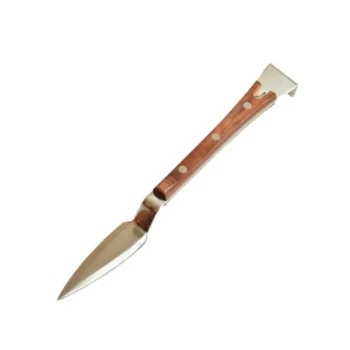
- HONESTBEE Premium Italian Style Hive Tool with Hardwood Handle
People Also Ask
- How are screen bottom boards and sticky boards utilized to detect Varroa mites? Master Passive Apiary Monitoring
- What is the primary function of a screen bottom board? Achieve Accurate Varroa Mite Assessment in Your Apiary
- Why is the combination of a screen bottom board and a sticky trap board essential for monitoring Varroa mite? Guide
- What is the primary function of a standard screen bottom board when assessing honeybee grooming behavior? - Key Mite Data
- What role do screen bottom boards and monitoring inserts play in assessing Varroa mite mortality and maintaining hive hygiene in Langstroth hives?