Spring overcrowding is easiest to identify before a colony swarms. Large clusters of bees hanging at the entrance on warm afternoons can indicate congestion, although they may also reflect heat or ventilation issues. Confirm the diagnosis by inspecting frames for reduced queen-laying space, honey-filled brood frames, dense bee coverage, and newly developed queen cells—especially along lower frame edges.
The most effective swarm-management strategy is proactive capacity expansion. Inspect strong colonies approximately every two weeks and add brood boxes, supers, frames, entrances, or ventilation equipment before the existing hive volume becomes crowded.
How to Recognize Spring Hive Overcrowding
Treat Entrance Bearding as an Early Warning
Large numbers of bees clustering outside the entrance during warm weather often signal that the colony lacks usable internal space or adequate airflow.
However, entrance clustering is not conclusive by itself. Check internal congestion and ventilation before deciding whether the colony needs additional boxes.
Check Whether the Brood Nest Is Backfilled
Worker bees may store honey and pollen in brood-nest cells when storage space is limited. This reduces the area available for the queen to lay eggs and is a significant overcrowding signal.
Inspect brood frames for solid areas of stored food where open brood or empty laying cells would normally be present.
Look for Queen Cells and Queen Cell Cups
An unusually high number of queen cells, particularly along the lower edges of frames, indicates that the colony may already be preparing to swarm.
Queen cell construction is a later warning than entrance clustering or brood-nest congestion. Once mature queen cells are present, simply adding a super may not fully reverse the swarming impulse.
Assess Bee Density Across Frames
Strong spring colonies can cover frames heavily with bees. When nearly every frame is densely occupied and the bees have little room to expand upward or sideways, the colony requires additional capacity.
A practical operating rule is to add another box when the existing hive volume is approximately 70% occupied, rather than waiting until every frame is full.
Why Overcrowding Leads to Swarming
Congestion Restricts Queen-Laying Space
Rapid brood expansion consumes available cells. If honey and pollen are stored in the brood area, the queen has fewer places to lay, and the colony's growth becomes physically constrained.
This condition can encourage workers to rear replacement queens and prepare for departure.
Pheromone Distribution Can Be Disrupted
In a highly congested colony, the queen's pheromones may circulate less effectively throughout the worker population. The resulting perception of reduced colony stability can contribute to queen-cell construction and swarming behavior.
Swarming Reduces Commercial Production
A swarm typically contains the old queen and a substantial portion of the worker population. Losing this foraging workforce can interrupt colony development and reduce honey production during the main nectar flow.
For commercial apiaries, preventing avoidable swarm losses protects both livestock value and seasonal revenue.
Equipment Strategies That Create More Hive Capacity
Add Brood Boxes Before the Brood Nest Is Packed
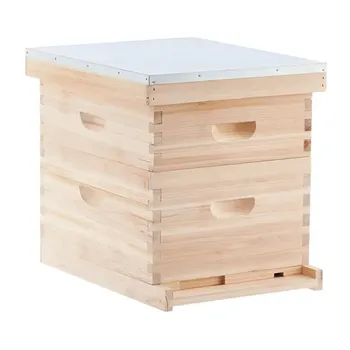
Strong colonies may require additional full-depth brood bodies during spring expansion. Adding a brood box provides more room for brood rearing and distributes the growing population across a larger volume.
The added box should contain suitable frames, including drawn comb where available or wired foundation sheets when new comb must be built.
Add Honey Supers for Storage Space
Honey supers provide dedicated storage capacity above the brood chamber and reduce the pressure to store nectar inside the brood nest.
For rapid uptake, use drawn comb when available. Foundation can also be used, but bees may take longer to occupy and construct it, particularly during weak nectar conditions.
Use Queen Excluders Appropriately
A super positioned above a queen excluder can give workers additional storage space while keeping the queen in the brood area.
The configuration must still provide sufficient laying space below the excluder. Adding storage space does not solve congestion if the brood nest remains backfilled or too small.
Replace Full Brood Frames Carefully
Removing honey-filled frames from the brood chamber and replacing them with empty drawn comb can restore laying space.
Foundation should be introduced thoughtfully rather than inserted excessively into the active brood nest, because too much new foundation can divide the brood area and slow colony development.
Consider Top Entrances
Top entrances allow returning foragers to bypass some of the traffic around the lower brood area. This can reduce entrance congestion and improve movement within the hive.
They are a supporting measure, not a substitute for adequate brood and super capacity.
Improve Ventilation Components
By mid-spring, remove winter entrance reducers when colony strength and weather conditions permit. Screen bottom boards, top entrances, and screened ventilation components can help manage heat and airflow.
Ventilation equipment should be configured to avoid excessive drafts, rain entry, or uncontrolled robbing.
Use Expandable, Standardized Hive Systems
Modular hive bodies, interchangeable frames, supers, and compatible accessories allow an apiary to respond quickly to uneven spring growth.
For distributors and commercial operations, standardized components are particularly valuable because they simplify inventory planning, equipment replacement, and rapid fulfillment during short expansion windows.
How to Organize the Spring Inspection Program
Inspect on a Two-Week Cycle
A roughly two-week inspection interval helps managers detect congestion before queen cells become advanced.
Weather, colony strength, local nectar flow, and labor availability should determine the exact schedule. Strong colonies during rapid expansion may require closer attention.
Record Capacity, Brood, and Queen-Cell Status
For each hive, record the number of occupied frames, open and capped brood, stored food, available laying space, and any queen-cell development.
These records help identify which colonies need equipment first and prevent a one-size-fits-all expansion schedule.
Stage Equipment Before the Nectar Flow
Brood boxes, supers, frames, foundation, queen excluders, entrances, and replacement hive parts should be ready before the main nectar flow.
Equipment that arrives after congestion has developed may not prevent swarming. This is where reliable sourcing, responsive service, and efficient order fulfillment directly support apiary performance.
Understanding the Trade-offs
Adding Space Too Early
Excessive hive volume can be difficult for a small or weather-stressed colony to occupy and regulate. Expansion should match colony strength rather than follow a rigid calendar.
Adding Only Honey Supers
A honey super does not correct a brood nest that is already crowded with stored food or lacks laying space. Evaluate the brood chamber separately before deciding whether the colony needs a brood box, a super, or both.
Relying Only on Entrance Clustering
Bearding can result from heat, humidity, or poor airflow without indicating imminent swarming. Internal frame inspection is necessary to distinguish ventilation behavior from genuine congestion.
Reversing or Rearranging Boxes
Reversing brood and super positions has been used in some management systems to redistribute space, but it is not universally appropriate. Frequent rearrangement can disrupt the brood nest, and any manipulation should reflect local climate, colony strength, and the hive configuration.
Waiting for Queen Cells
Queen cells are a valuable diagnostic sign, but they often indicate that the colony has progressed beyond the earliest stage of swarm preparation. Capacity expansion works best as prevention, not as a guaranteed cure after mature cells appear.
How to Apply This to Your Apiary or Product Program
Select equipment based on the colony's actual bottleneck: brood space, honey storage, traffic flow, or ventilation.
- If your primary focus is preventing swarms: Inspect strong colonies every two weeks and add brood capacity or supers when existing boxes approach approximately 70% occupancy.
- If your primary focus is preserving queen-laying space: Remove or relocate honey-filled brood frames and provide suitable empty drawn comb or carefully introduced foundation.
- If your primary focus is maximizing honey production: Stage supers, frames, and foundation before the main nectar flow so expansion is immediate when colonies accelerate.
- If your primary focus is commercial apiary efficiency: Standardize hive bodies, frames, supers, and ventilation components so equipment can be transferred and replenished quickly across the operation.
- If your primary focus is equipment distribution or resale: Maintain a full-spectrum inventory and dependable fulfillment capability because spring demand is time-sensitive and delayed components can increase swarm risk.
Proactive inspection paired with readily available, compatible equipment gives commercial beekeepers the best opportunity to keep colonies productive and prevent avoidable swarm losses.
Summary Table:
| Indicator | Description | Action |
|---|---|---|
| Entrance bearding | Bees clustering at entrance on warm days | Check internal congestion and ventilation |
| Backfilled brood nest | Honey/pollen stored in brood cells | Provide more brood space |
| Queen cells | Cells along lower frame edges | Add capacity immediately |
| High bee density | Frames covered with bees at 70%+ occupancy | Add another box |
Ready to protect your apiary from swarm losses? At HONESTBEE, we supply the full spectrum of beekeeping tools and equipment to help you manage hive capacity efficiently. From brood boxes and supers to queen excluders and ventilation components, our one-stop sourcing ensures you get the right gear fast. With rapid response, dedicated support, and ultra-fast delivery, we help you stay ahead of swarming season. Contact us today to discuss your wholesale needs!
Related Products
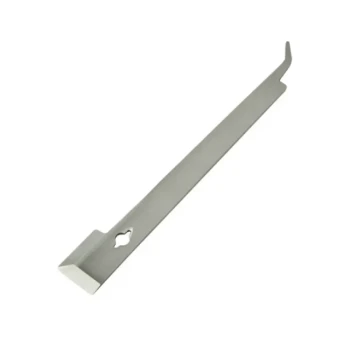
- Stainless Steel J Hook Hive Tool for Beekeeping
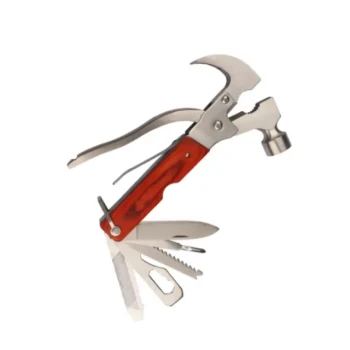
- HONESTBEE 15-in-1 Beekeeper Multi-Tool with Hammer and Pliers for Beekeeping
- HONESTBEE Classic Pry Bar Hive Tool with High Visibility Finish for Beekeeping
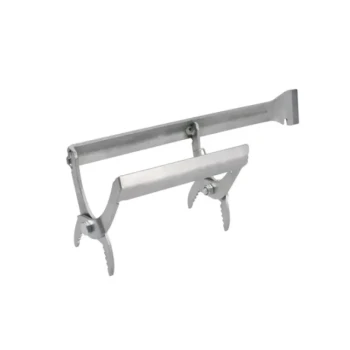
- Multi-Function Plier-Style Frame Grip Hive Tool
- Stainless Steel Queen Grafting Tool for Beekeeping and Bee Queen Grafting
People Also Ask
- What specific challenges do beekeeping hive tools address during hive maintenance? Essential Solutions for Apiaries
- What are the features of a J-hook hive tool? Effortlessly Lift Frames with Superior Leverage
- What is a J-hook hive tool and why is it favored by some beekeepers? Master Gentle Frame Handling
- What is the purpose of the J-hook hive tool? Effortlessly Lift Frames with Superior Leverage
- How is a J-hook hive tool designed and what is its primary use? Master Effortless Hive Inspections