Melissopalynological data serves as the critical calibration tool for professional honey processing by identifying the specific particle size of primary nectar pollen in a batch. By analyzing these dimensions, which typically fall between 10 and 100 microns, operators can precisely select filter mesh sizes that remove impurities while allowing essential pollen grains to pass through.
Scientific analysis of pollen size allows operators to fine-tune filtration machinery, ensuring the removal of foreign debris while preserving the specific pollen profile required for monofloral certification and nutritional integrity.
Transforming Analysis into Machine Settings
Identifying the Critical Particle Range
Melissopalynology provides a microscopic inventory of the pollen present in a specific honey harvest.
This analysis establishes the target size range for your filtration equipment. As noted in the primary reference, these primary pollen grains typically measure between 10 and 100 microns.
Optimizing Mesh Selection
Once the specific pollen size is identified, this data dictates the selection of industrial filter mesh.
Machinery operators must choose a mesh aperture that is sufficiently large to permit the passage of the identified pollen grains. If the analysis shows a primary pollen size of 40 microns, the filter must not be finer than this threshold.
Preserving Monofloral Identity
Precise filtration is essential for maintaining the product's status as a monofloral honey.
By utilizing particle size data, the machinery ensures the retention of the specific pollen markers required to certify the honey's botanical origin. This process distinguishes premium, specific-source honey from generic blends.
Understanding the Trade-offs
The Risk of Over-Filtration
Setting the filtration machinery to a mesh size smaller than the identified pollen range results in "ultra-filtration."
This process strips the honey of its natural pollen components, significantly reducing its nutritional value. Furthermore, it removes the botanical "fingerprint" of the honey, making it impossible to verify its origin or classify it as a premium monofloral product.
Balancing Clarity with Quality
While the goal is to remove impurities, adhering strictly to the data prevents the removal of solids that consumers expect in high-quality honey.
Ignoring the lower limit of the 10-100 micron range to achieve "super clarity" often compromises the integrity of the final product.
Making the Right Choice for Your Goal
To optimize your machinery, you must balance visual clarity with the preservation of natural components based on your specific analysis.
- If your primary focus is Certified Authenticity: Select a filter mesh size that sits at the upper end of your identified pollen range to guarantee maximum retention of botanical markers.
- If your primary focus is Visual Clarity: Select a filter mesh size that matches the lower threshold of your identified pollen size (e.g., closer to 10 microns, if applicable) to filter out fine debris without stripping the smallest pollen grains.
Leveraging scientific pollen data transforms filtration from a guessing game into a precise engineering process that safeguards product quality.
Summary Table:
| Optimization Factor | Data Application | Impact on Final Product |
|---|---|---|
| Mesh Aperture | Match to pollen size (10-100 microns) | Removes debris while retaining essential pollen |
| Monofloral Integrity | Target botanical markers | Preserves origin fingerprint for certification |
| Filtration Depth | Lower vs. Upper size thresholds | Balances extreme visual clarity with nutritional density |
| Quality Control | Scientific particle mapping | Prevents ultra-filtration and loss of value |
Elevate Your Honey Processing with HONESTBEE
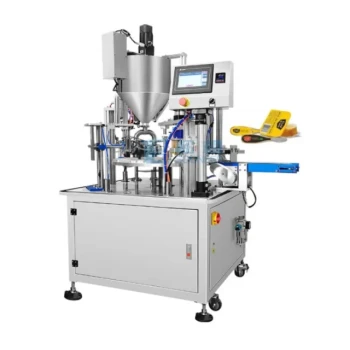
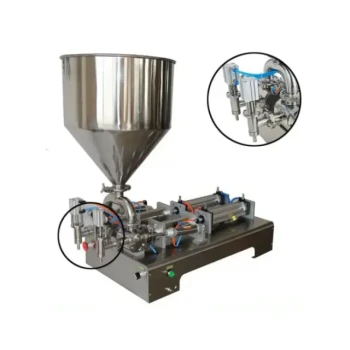
At HONESTBEE, we understand that professional beekeeping requires the perfect balance of scientific data and industrial-grade efficiency. As a leading supplier for commercial apiaries and distributors, we offer a full spectrum of specialized beekeeping machinery, honey-filling systems, and precision filtration equipment designed to handle your specific melissopalynological requirements.
Whether you need hive-making hardware or high-volume honey-filling machines that preserve the botanical integrity of your harvest, our wholesale solutions are tailored to your growth. Partner with HONESTBEE today to optimize your production line with the industry's most reliable tools and consumables.
References
- Vandana Kumari, V. K. Mattu. Wide diversity of pollens in honey samples from Indian Himalayan neighbourhoods: a melissopalynological study. DOI: 10.22364/eeb.20.10
This article is also based on technical information from HonestBee Knowledge Base .
Related Products
- Automatic Honey Filling and Filtering Machine for Beekeeping Bottle Filling
- Precision Durable Efficient HONESTBEE Rotary Honey Filling Machine
- Honey Concentrating and Filtering Dehumidifier Machine 2T Capacity for Honey
- Economy Small Honey Filling Machine Honey Bottle Filler Packaging Machine
- Fully Automatic Honey Filling Packaging Machine for Processing Line
People Also Ask
- What process advantages do professional honey filtering and filling machines provide? Optimize Your Organic Honey Output
- How do honey filling and filtering machines increase product value? Turn Raw Honey into Premium Export-Grade Goods
- How do honey filtration and filling machinery contribute to industrialization? Scale Your Commercial Honey Production
- What specific issues do industrial filtration and automated filling machinery address? Ensure Honey Quality & Compliance
- How does the use of professional honey filtration and filling machinery facilitate international honey exports?