Observing the posture and intensity of worker bees on the queen cage is the most reliable method for assessing acceptance. If workers cling tightly to the mesh or bite the wires, they are hostile; if they move calmly and offer food through the screen, they are receptive.
Successful queen introduction relies on overcoming colony defensive instincts through gradual pheromone integration. The physical behavior of the workers on the cage—aggressive clinging versus calm attending—is the definitive signal of whether this integration is complete.
Decoding Worker Bee Signals
Identifying Aggressive Rejection
You must distinguish between curiosity and hostility. When workers have not accepted a queen, they often "ball" the cage.
This manifests as bees clinging aggressively to the wire mesh. They will be difficult to brush off and may appear to be biting the cage in an attempt to reach the queen inside.
Recognizing Calm Acceptance
A colony that has integrated the new queen will treat the cage as a focal point of care, not a threat.
Look for workers walking loosely and calmly over the screen. A positive sign is seeing workers extending their proboscis through the mesh to feed the queen or touching antennae with her.
The Role of the Candy Plug
Checking the Release Status
Beyond behavior, the physical state of the cage offers a binary status update.
If the candy plug has been consumed and the seal is broken, the workers have successfully released the queen into the hive. This generally implies acceptance, as they worked through the barrier to free her.
Interpreting an Intact Plug
If the candy plug remains intact, the queen is still contained.
This is the critical moment to assess worker behavior on the screen. Since she is still confined, you have the opportunity to delay release if the workers on the mesh show signs of aggression.
Understanding the Risks and Trade-offs
The Danger of Misinterpretation
The most common error is mistaking the volume of bees on a cage for acceptance.
A large number of bees covering the cage can be either a death ball or a retinue of attendants. You must look closely at individual behavior (biting vs. feeding) rather than just the number of bees.
The Cost of Premature Release
If you manually release a queen while workers are exhibiting aggressive "clinging" behavior, the outcome is usually fatal.
The colony will likely attack and kill a queen released too early. It is always safer to leave the queen caged for additional days to allow pheromones to spread rather than guessing on a marginal release.
Making the Right Choice for Your Colony
Before you remove the cage or poke through the candy, assess the colony's attitude.
- If your primary focus is safety: Do not release the queen if workers are clinging tightly to the cage; leave her confined until they are walking calmly on the mesh.
- If your primary focus is confirmation: Check the candy plug; if it is eaten and the queen is out, observe the frames for a calm queen moving freely among workers.
Trust the behavior of the workers over the calendar; they will tell you exactly when they are ready for their new monarch.
Summary Table:
| Behavioral Signal | Indicator of Rejection (Aggressive) | Indicator of Acceptance (Calm) |
|---|---|---|
| Physical Posture | Clinging tightly, biting the wire mesh | Walking loosely and calmly over the screen |
| Social Interaction | Difficult to brush off; 'balling' the cage | Extending proboscis to feed the queen |
| Antennal Contact | Aggressive lunging | Gentle touching of antennae |
| Candy Plug Status | Ignored or untouched | Actively consumed and seal broken |
| Handling Response | Bees remain stuck to cage when moved | Bees move naturally with the queen |
Maximize Your Colony Success with HONESTBEE
Successful queen introduction is the heartbeat of a thriving apiary. At HONESTBEE, we empower commercial apiaries and distributors with the professional-grade tools needed to manage every stage of the beekeeping lifecycle.
Whether you are looking for specialized beekeeping machinery to scale your operations, precision hive-making equipment, or essential industry consumables, our comprehensive wholesale portfolio has you covered. Beyond hardware, we also offer unique honey-themed cultural merchandise to help you diversify your brand.
Ready to elevate your beekeeping business? Our experts are here to provide tailored solutions and high-quality equipment that ensure your colonies—and your profits—continue to grow.
Contact HONESTBEE Today for Wholesale Inquiries
Related Products
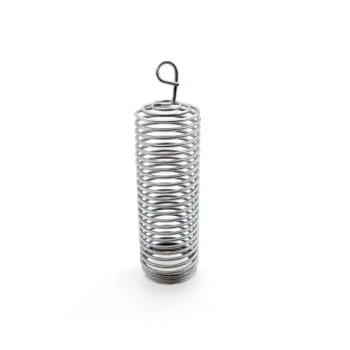
- Durable Galvanized Steel Spring Queen Bee Cage
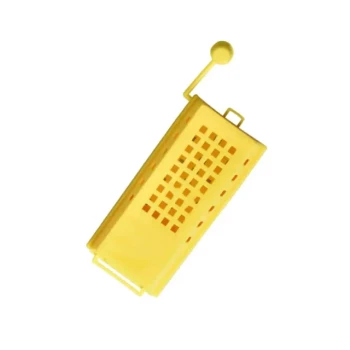
- Professional Queen Cage with Sliding Gate and Feeder Plug
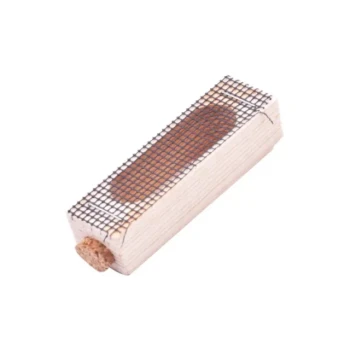
- Classic Wooden and Mesh California Queen Cage
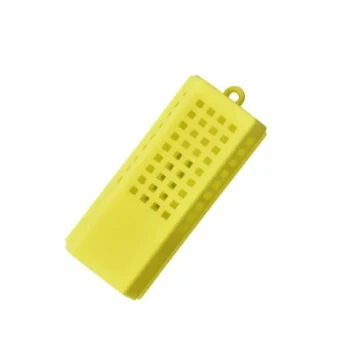
- Professional Queen Bee Introduction and Transport Cage
- Professional Multi-Functional Queen Bee Cage
People Also Ask
- Why are specialized queen bee cages used for the banking of mated queen bees? Maximize Commercial Apiary Storage Efficiency
- What is the mechanism of action for using temporary queen bee cages? Master Successful Queen Introduction
- What is the step-by-step process for installing a queen bee's cage onto a frame? Ensure Hive Acceptance Safely
- What is the optimal placement for a queen bee cage? Essential Strategies for Successful Re-queening
- What are the advantages and disadvantages of introducing a queen bee by embedding the cage? Boost Your Queen Acceptance