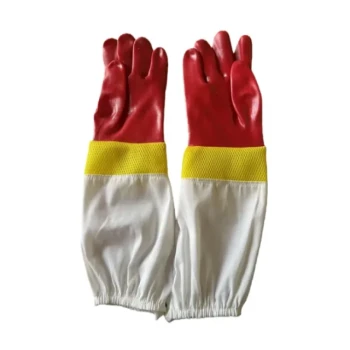
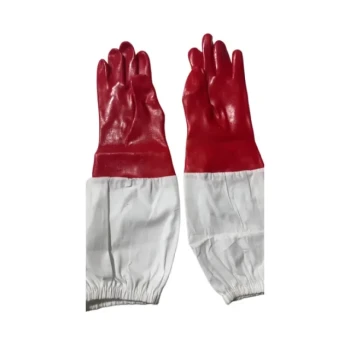
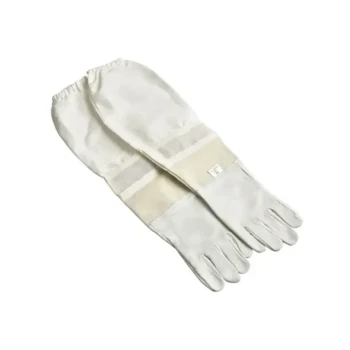
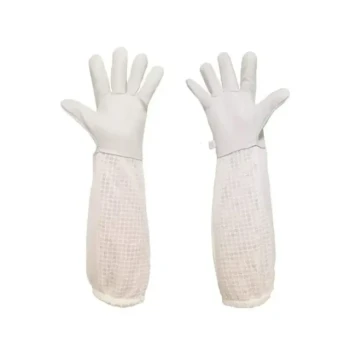
To effectively clean the canvas or cloth gauntlets of beekeeping gloves, you must use a targeted soaking technique that isolates the fabric from the leather. The recommended approach is to soak only the cloth portion in a mixture of 1/3 cup of bleach per gallon of water, followed by a thorough rinse that minimizes water contact with the leather hand sections.
Core Takeaway While cleaning the canvas gauntlets is essential for hive hygiene and removing sticky residue, the leather portions of your gloves are vulnerable to harsh chemicals. Success relies on strictly treating the fabric while protecting the leather to prevent drying, cracking, and structural degradation.
The Targeted Soaking Technique
Preparing the Solution
To sanitize and clean the heavy canvas material, you need a disinfecting agent that can cut through organic buildup.
Mix a solution of 1/3 cup of bleach for every gallon of water. Ensure this is mixed in a basin or bucket deep enough to accommodate the length of the gauntlets.
Isolating the Material
The most critical step is ensuring the bleach solution treats the canvas without touching the leather.
Submerge only the cloth portion of the gloves into the solution. You may need to hold the gloves in place or drape the leather section over the rim of the bucket to ensure it stays dry.
Rinsing and Drying
After soaking, the canvas must be rinsed completely to remove all chemical residue.
Rinse the cloth thoroughly under running water, taking care to angle the gloves so the water runs away from the leather. Once rinsed, allow the gloves to air dry completely out of direct sunlight.
Pre-Treatment and Residue Removal
Removing Debris
Before soaking, it is important to mechanically remove loose dirt to make the chemical cleaning more effective.
Use a soft brush to gently sweep away loose debris, dirt, and bee parts. This prevents the water from becoming immediately muddied and ensures the bleach solution can penetrate the fabric.
Handling Propolis and Wax
Bleach is excellent for sterilization, but sticky substances like propolis may require a solvent.
If the canvas is heavily soiled with propolis, you can spot-clean those areas with a small amount of white vinegar. Vinegar possesses natural cleaning properties that help break down resinous bee glue.
Understanding the Trade-offs
The Risk of Machine Washing
It is tempting to place canvas gloves in a washing machine, but this is a critical error.
Machine washing involves prolonged soaking and agitation that can shrink the material and degrade the stitching. If your gloves have leather components, the machine will almost certainly destroy the leather's suppleness.
Chemical Exposure to Leather
While the canvas benefits from bleach, the leather hand section does not.
If bleach contacts the leather, it strips natural oils, causing the material to dry out and crack. If the leather accidentally gets wet during the process, you must apply a leather conditioner once the gloves are dry to restore flexibility.
Making the Right Choice for Your Goal
To ensure your equipment lasts, choose the cleaning method that aligns with the current condition of your gear.
- If your primary focus is Hygiene and Sterilization: Prioritize the bleach soak method (1/3 cup bleach per gallon) to eliminate pathogens, but be vigilant about keeping the leather dry.
- If your primary focus is Longevity and Maintenance: Avoid all machine washing and aggressive scrubbing; instead, use a soft brush for debris and spot-clean the canvas to minimize stress on the seams.
Treat the canvas and leather as two separate tools that happen to be stitched together.
Summary Table:
| Cleaning Component | Recommended Method | Key Precaution |
|---|---|---|
| Canvas Gauntlets | 1/3 cup bleach per gallon water soak | Avoid soaking leather sections |
| Loose Debris | Soft brush sweeping | Remove before wetting material |
| Propolis & Wax | Spot-clean with white vinegar | Do not use harsh solvents on leather |
| Drying | Air dry out of direct sunlight | Avoid machine dryers or high heat |
| Accidental Spills | Apply leather conditioner | Use only if leather becomes wet/dry |
Maximize Your Apiary's Efficiency with HONESTBEE
Maintaining your gear is just the first step in a successful beekeeping operation. At HONESTBEE, we specialize in supporting commercial apiaries and distributors with high-quality, professional-grade equipment. Whether you are looking for durable beekeeping apparel, advanced hive-making machinery, or honey-themed cultural merchandise, our comprehensive wholesale portfolio is designed to help your business thrive.
Why partner with HONESTBEE?
- Full Spectrum Supply: From essential consumables to heavy-duty honey-filling machines.
- Built for Professionals: Our tools are engineered for the rigors of commercial beekeeping.
- Wholesale Advantage: Competitive pricing tailored for distributors and large-scale operations.
Ready to upgrade your equipment or restock your inventory? Contact us today to explore our full catalog and wholesale offers!
Related Products
- Beekeeping Gloves Goatskin Leather with Long Cotton Sleeve for Beekeepers
- Heavy Duty Red Rubber Beekeeping Gloves with Vented Mesh Cotton Sleeves
- Heavy Duty Red Rubber Beekeeping Gloves with Extended Pure Cotton Sleeves for Beekeepers
- Goatskin Leather Beekeeper Gloves with Vent Long Sleeve for Beekeeping Honey Bee Sting Proof Protection
- Premium Ventilated Goatskin Beekeeping Gloves with Full 3-Layer Mesh Sleeve
People Also Ask
- What are the characteristics of the best gloves for beekeeping? Choose Protection & Dexterity
- What are the primary purposes of using beekeeping gloves? Protect Your Hands and Ensure Apiary Hygiene
- What types of gloves are available for beekeeping? Choose the Right Protection for Your Hive
- Why is it important for beekeepers to wear gloves? Essential Safety and Confidence for Hive Management
- Why do some experienced beekeepers opt not to wear gloves? Discover the Benefits of Tactile Precision