Minimizing bee reluctance to pass through a queen excluder is best achieved by establishing an incentive for the bees to cross the barrier before it is permanently installed. The most effective strategy is to allow the colony to begin storing nectar in the honey supers or drawing out comb prior to placing the excluder. By ensuring the upper box contains resources rather than empty space, you entice the bees to move through the grid naturally.
Core Takeaway: Never force bees to cross an excluder into a box containing only undrawn foundation. To ensure smooth movement, establish a "honey bridge" by allowing nectar storage or comb building to commence in the supers prior to placing the barrier.
Creating the Incentive to Move Up
The primary reason bees hesitate to cross a queen excluder is the lack of attraction in the space above it. You must make the upper supers appealing enough to overcome the physical inconvenience of the grid.
Utilizing Established Resources
Bees are much more likely to traverse a queen excluder if there is drawn comb containing nectar on the other side. The presence of wet nectar acts as a powerful lure.
The Danger of Bare Foundation
You should never place a super containing only foundation above a queen excluder. This creates a "dead zone" that bees are reluctant to enter. The combination of a physical barrier and an empty box often results in the colony ignoring the super entirely.
Strategic Placement Techniques
If you do not have drawn comb available, or if the bees are stubborn, you can use specific management techniques to force the issue gently.
The "Bait and Switch" Method
If you only have foundation, install the new box on the hive without the excluder first.
Wait until the bees have started drawing the wax and storing nectar. Once they have established a presence in the super, you can lift the box and insert the excluder underneath it.
Baiting with Brood
Another effective method is to move a frame containing brood into the honey super.
This naturally draws nurse bees upward to tend to the larvae. This increased traffic creates a continuous flow of bees through the excluder and encourages the deposition of nectar in the adjacent frames.
Reducing Physical Resistance
Beyond baiting the bees, you can alter the hive structure to reduce the physical toll of the excluder.
Adding an Upper Entrance
Foraging bees expend energy and suffer wing wear when repeatedly squeezing through an excluder.
Adding an entrance above the excluder provides an alternative route. This allows foragers to fly directly into the honey supers to offload nectar without navigating the grid, bypassing the congestion of the brood nest.
Understanding the Trade-offs
While using an excluder ensures clean honey frames, it introduces complexity to hive management.
Disruption of Natural Flow
An excluder is an artificial barrier that can slow down the colony's upward expansion. If not managed correctly with the techniques above, it can lead to backfilling in the brood nest, which may trigger swarming.
Alternatives to Hardware
It is worth noting that physical excluders are not always necessary. A "honey barrier"—a thick layer of capped honey frames directly above the brood nest—can naturally confine the queen.
Additionally, proper timing of brood chamber reversals and adding supers during a heavy nectar flow can keep the queen low without the need for a metal or plastic grid.
Making the Right Choice for Your Hive
Successful honey production requires balancing the need for queen confinement with the colony's need for easy movement.
- If your primary focus is immediate acceptance: Ensure the super contains drawn comb and wet nectar before installing the excluder.
- If your primary focus is drawing new foundation: Let the bees build comb in the super without the excluder first, then add the barrier once work has begun.
- If your primary focus is forager efficiency: Add an upper entrance to allow bees to deposit nectar directly into the super without navigating the excluder.
By reducing the barrier to entry, you transform the excluder from a blockade into a helpful management tool.
Summary Table:
| Technique | Primary Benefit | Best Used When... |
|---|---|---|
| Honey Bridge | Creates natural incentive | You have drawn comb with nectar available. |
| Bait and Switch | Encourages comb building | You are using fresh, undrawn foundation frames. |
| Brood Baiting | Forces upward movement | Bees are stubborn and refuse to enter the super. |
| Upper Entrance | Reduces wing wear/congestion | You want to maximize forager efficiency and flow. |
Maximize Your Colony's Productivity with HONESTBEE
Transitioning bees through a queen excluder is just one step in a successful honey harvest. At HONESTBEE, we empower commercial apiaries and distributors with high-quality, professional-grade equipment designed to streamline your operations. From precision honey-filling machines to durable hive-making hardware and essential industry consumables, our comprehensive wholesale portfolio covers everything a growing beekeeping business needs.
Ready to scale your production? Partner with an industry leader who understands the nuances of large-scale beekeeping.
Contact HONESTBEE Today for Wholesale Solutions
Related Products
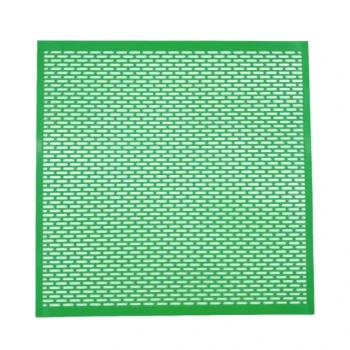
- High Performance Plastic Queen Excluder for Beekeeping and Apiary Management
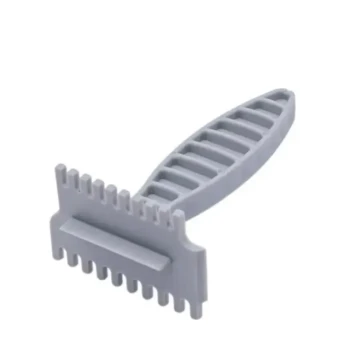
- Lightweight Durable Plastic Queen Excluder Scraper for Beekeeping
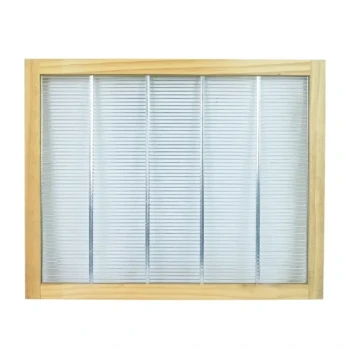
- Premium Wood Framed Metal Wire Queen Bee Excluder
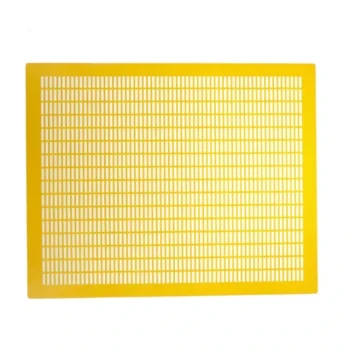
- Professional Plastic Queen Excluder for Modern Beekeeping
- Metal Queen Bee Excluder for Beekeeping
People Also Ask
- What are the characteristics of a plastic queen excluder? Key Benefits for Cost-Effective Beekeeping
- What are the operational and cost advantages of using plastic queen excluders over metal or wire excluders in commercial hive management? Discover how they reduce labor, prevent wing damage, and lower total costs.
- What types of queen excluders are available for beekeepers? Choose the Right Tool for Your Hive
- Why are standardized hive frames and queen excluders essential for maintaining honey purity and quality? Scale Your Purity
- Do plastic queen excluders work? A Cost-Effective Solution for Modern Apiaries