Additives fundamentally alter the physical and olfactory profile of a beeswax candle. Essential oils are primarily used to introduce custom scents and natural therapeutic properties, while fats like cocoa butter act as structural modifiers that lower the melting point and soften the candle's visual appearance.
While beeswax is prized for its natural stability, additives allow for customization in scent and texture. However, every ingredient added to the wax introduces a variable that can compromise the clean-burning properties of the pure base, requiring careful testing to maintain quality.
Enhancing Scent and Atmosphere
Introduction of Custom Fragrance
Essential oils, such as lavender or mint, are the primary method for altering the scent profile of a candle.
While beeswax has a natural honey aroma, these additives allow you to layer specific fragrances to suit different preferences or seasons.
Retaining Natural Properties
Beyond simple fragrance, essential oils are often chosen to impart natural properties associated with the plant source.
This allows the candle to serve a dual purpose, functioning as both a light source and an element of aromatherapy or atmosphere.
The Importance of Timing
To preserve the integrity of these volatile oils, they should only be added to melted beeswax after it has been strained.
Adding them too early in the process or before filtration can degrade the oils or interfere with the cleaning process of the raw wax.
Modifying Texture and Burn Characteristics
Lowering the Melting Point
Additives like cocoa butter physically change the thermal properties of the candle.
By mixing cocoa butter with beeswax, you effectively lower the melting point of the mixture. This changes how quickly the wax creates a melt pool during combustion.
Creating a Softer Aesthetic
Pure beeswax is naturally hard and can be brittle.
The addition of cocoa butter modifies this texture, resulting in a candle with a softer appearance. This can be desirable for specific aesthetic goals where the rigidity of pure beeswax is not preferred.
Understanding the Trade-offs
Impact on Clean-Burning Properties
The most significant risk when using additives is the potential degradation of the burn quality.
Beeswax is renowned for being a clean-burning fuel. Any foreign substance—whether an oil or a fat—can alter the combustion chemistry, potentially leading to sooting, smoking, or a clogged wick.
Purity Considerations
You must carefully evaluate the impact of additives on the definition of your product.
If your goal is to market or enjoy a 100% beeswax base, the introduction of cocoa butter or significant amounts of oil technically compromises that purity.
Making the Right Choice for Your Goal
To ensure your modifications enhance rather than ruin your candle, align your choice of additive with your specific objective:
- If your primary focus is specific aromatherapy: Use essential oils like lavender or mint, but ensure they are added only after straining to preserve their quality.
- If your primary focus is softer texture: Incorporate cocoa butter to lower the melting point, but test extensively to ensure the wick can still pull the fuel efficiently.
- If your primary focus is a clean, low-maintenance burn: Avoid additives entirely to preserve the natural, self-sustaining properties of the pure beeswax.
Modification requires balance; always prioritize the integrity of the flame over the novelty of the additive.
Summary Table:
| Additive Type | Primary Purpose | Impact on Beeswax Properties | Best Practice |
|---|---|---|---|
| Essential Oils | Fragrance & Aromatherapy | Adds custom scents; can cause soot if overused | Add after straining/filtering wax |
| Cocoa Butter | Texture Modification | Lowers melting point; creates a softer aesthetic | Test wick size for efficient fuel pull |
| None (Pure Wax) | Clean Combustion | High stability; natural honey aroma; clean burn | Ideal for low-maintenance, soot-free use |
Elevate Your Beekeeping Business with HONESTBEE
Whether you are crafting artisanal beeswax candles or managing a large-scale commercial apiary, HONESTBEE provides the professional-grade tools you need to succeed. As a leading global supplier, we offer:
- High-Performance Machinery: From precision hive-making to honey-filling and wax-processing equipment.
- Comprehensive Wholesale Supplies: A full spectrum of beekeeping tools, essential industry consumables, and honey-themed cultural merchandise.
- Tailored Solutions for Distributors: Bulk offerings designed to support the growth of your commercial enterprise.
Ready to scale your production and ensure the highest quality for your customers? Contact HONESTBEE today to explore our wholesale catalogs and discover how our expertise can drive your business forward.
Related Products
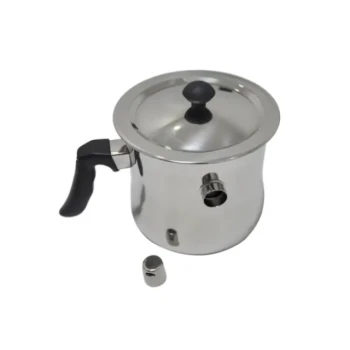
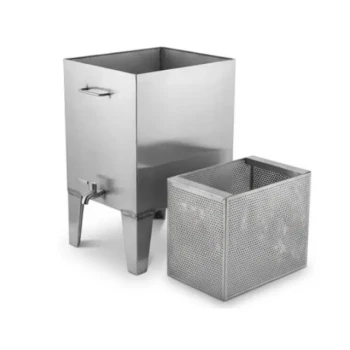
- Beeswax Melter for Candle Making Honey Bee Wax Melter
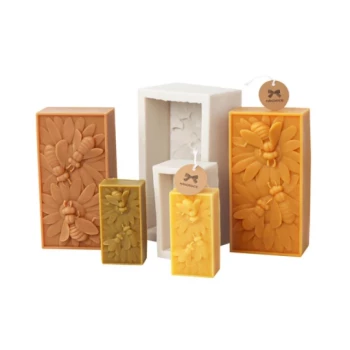
- 3D Square Honeycomb Pillar Silicone Candle Molds for Making Beeswax Candles
- 3D Beehive Silicone Skep Wax Candle Molds for Candles
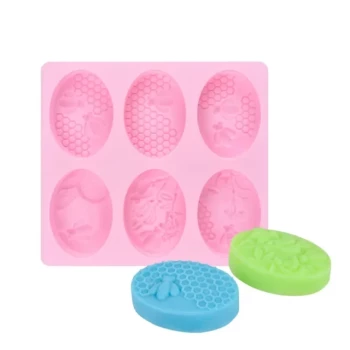
- Bee Floral Relief Silicone Mold for Artisan Soap Candle Making
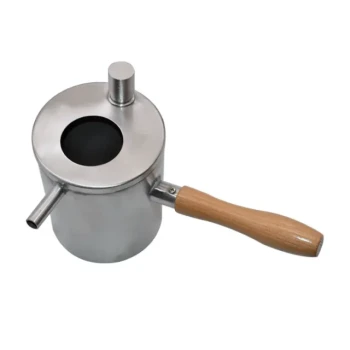
- Professional Stainless Steel Wax Melter for Beekeeping and Crafts
People Also Ask
- What is the best way to melt beeswax? Safely Preserve Quality with Indirect Heat
- What is the best way to melt beeswax? Use a Solar Wax Melter for Simple, Pure Results
- What types of beeswax melters are available for beekeepers? Choose the Right One for Your Operation
- What safety precautions should be taken when melting beeswax? A Guide to Flammable Wax Handling
- What types of beeswax melters are available for different scales of beekeeping? Solar vs. Electric Melters Compared