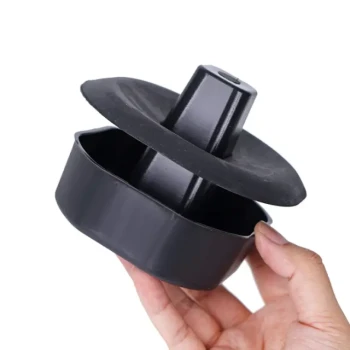
Anti-ant Racks function by physically isolating beehives from the ground, effectively severing the primary route used by foraging ants to invade the colony. When integrated with specialized consumables—specifically oil-soaked cotton or paraffin—these structures create a dual-layer defense system that combines physical elevation with chemical repulsion to prevent infestation.
The core value of this system lies in its ability to automate pest defense. By elevating the hive and applying a chemical barrier, you eliminate the need for constant ground-level surveillance, securing the colony against nocturnal attacks that manual inspections often miss.
The Mechanics of Isolation
Severing the Invasion Path
The fundamental operating principle of an Anti-ant Rack is ground isolation. Ants act as ground-based foragers that rely on continuous trails to locate and exploit resources.
By placing the hive on a specialized rack, you remove the direct physical bridge between the soil and the hive entrance. This forces ants to climb specific support legs, funneling them into a controlled area where defensive measures can be concentrated.
The Role of Integrated Consumables
While elevation alone deters some pests, it is not a complete solution. To create an impenetrable barrier, the rack supports are integrated with consumables such as cotton silk soaked in oil or paraffin.
These substances act as a chemical deterrent. The texture and chemical composition of the oil or paraffin disrupt the ants' ability to climb, effectively neutralizing their path before they reach the hive body.
The Dual-Defense Mechanism
Physical Blocking
In addition to liquid consumables, some rack configurations utilize inverted plastic funnel barriers on the supports. This is a purely physical mechanism.
The inverted funnel shape creates an impossible climbing angle for the ants. When an ant attempts to climb up the leg, it encounters the downward-facing slope of the funnel, which it cannot navigate around to reach the hive above.
Chemical Repulsion
The integration of oil or paraffin creates a zone of chemical repulsion. This is particularly effective because it targets the sensory and locomotive capabilities of the ant.
The viscous nature of the oil acts as a physical trap for smaller insects, while the scent and chemical properties of paraffin can deter scouting ants from establishing a pheromone trail up the rack leg.
Addressing the Surveillance Gap
Protection During Nocturnal Vulnerability
One of the critical failures in traditional apiary management is the inability to monitor hives at night. Many ant species conduct nocturnal attacks when beekeepers are not present to intervene.
Anti-ant Racks address this specific vulnerability. Because the defense is structural and passive, it remains active 24/7 without requiring human presence, ensuring the hive is protected even when ground-level surveillance is non-existent.
Operational Considerations and Trade-offs
Maintenance of Consumables
While this system reduces the need for surveillance, it introduces a maintenance requirement. The consumables—specifically the oil or paraffin—are finite and can degrade over time.
Rain, dust, and debris can bridge the oil barrier or dry out the cotton. You must establish a schedule to replenish these consumables to ensure the chemical barrier remains effective.
Stability and Installation
Integrating these racks requires a level, stable surface. Unlike placing hives directly on pallets or the ground, racks concentrate weight on specific legs.
If the ground is uneven or soft, the rack may shift. This could compromise the stability of the hive or cause the oil reservoirs to spill, rendering the anti-ant mechanism useless.
Making the Right Choice for Your Apiary
To effectively deploy Anti-ant Racks, align your choice of consumables with your specific management capacity:
- If your primary focus is low-maintenance passive defense: Prioritize racks with inverted plastic funnels, as these physical barriers require less frequent replenishment than liquid consumables.
- If your primary focus is stopping aggressive, high-density ant populations: Utilize the oil-soaked cotton or paraffin method, as the chemical repulsion provides a more aggressive deterrent against persistent pests.
By isolating the hive and controlling the vertical access points, you convert ant prevention from a reactive chore into a proactive structural standard.
Summary Table:
| Mechanism | Component | Function |
|---|---|---|
| Physical Isolation | Specialized Rack Support | Elevates hives to sever ground-based ant trails. |
| Chemical Repulsion | Oil-soaked Cotton/Paraffin | Disrupts locomotion and sensory trails of foraging ants. |
| Structural Barrier | Inverted Plastic Funnels | Creates impossible climbing angles to prevent vertical access. |
| Passive Defense | 24/7 Structural Shield | Provides continuous protection against nocturnal ant attacks. |
Secure Your Apiary Productivity with HONESTBEE
Don't let ant infestations compromise your colony's health or your commercial yield. HONESTBEE provides the industry's most robust selection of professional beekeeping tools, specialized machinery, and essential consumables designed for commercial apiaries and global distributors.
From advanced Anti-ant Racks and honey-filling machines to high-quality consumables like paraffin barriers, we offer the full spectrum of equipment to scale your operations efficiently. Whether you are outfitting a large-scale commercial site or looking for a reliable wholesale partner, our team is ready to deliver precision hardware and industry expertise to your doorstep.
Ready to upgrade your defenses?
Contact us today to explore our wholesale catalog!
References
- Marcos Rogério Simões, S. M. Lima. Morphological and Chemical Characterization of the Invasive Ants in Hives of Apis mellifera scutellata Lepeletier (Hymenoptera: Apidae). DOI: 10.1007/s13744-015-0344-z
This article is also based on technical information from HonestBee Knowledge Base .
Related Products
- Metal Hive Feet Bee Hive Stand for Ant Protection
- Professional Ant-Proof Beehive Stand with Integrated Moat for Beekeeping
People Also Ask
- What are the benefits of elevating a bee hive with a stand or base? Protect Your Colony and Your Back
- How does a beehive stand protect against predators and pests? Essential Strategies for Colony Security
- How should the height of a beehive stand be determined? Find Your Ergonomic Sweet Spot
- What to stand a beehive on? The Best Foundation for a Healthy, Manageable Apiary
- How tall should a beehive stand be? Achieve Optimal Hive Health & Beekeeper Comfort