Artificial feeding facilities primarily mitigate floral instability by acting as a critical nutritional bridge. When environmental factors such as extreme weather or seasonal nectar dearths cut off natural food sources, high-nutrition feed supplies the necessary energy and protein. This intervention ensures the colony does not starve or stagnate, maintaining its biological functions until natural foraging is viable again.
By decoupling colony survival from immediate environmental conditions, artificial feeding preserves the apiary's labor force. This ensures that a lack of current blooms does not result in a missed opportunity when the next flowering cycle begins.
The Mechanics of Nutritional Support
Bridging the Energy and Protein Gap
During periods of nectar dearth or adverse weather, bees cannot access the natural carbohydrates and pollen they require.
High-nutrition bee feed is formulated to replace these missing resources, providing the energy for daily activity and the protein essential for brood rearing.
This substitution prevents the nutritional stress that typically leads to colony decline during unstable floral cycles.
Precision Delivery Systems
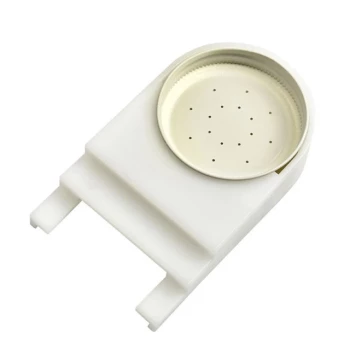
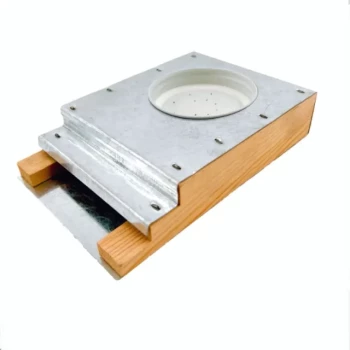
Effective mitigation requires more than just available food; it requires specialized feeders.
These facilities allow beekeepers to deliver precise amounts of supplements tailored to the colony's current size and needs.
This controlled approach maximizes uptake efficiency while minimizing waste or spoilage within the hive.
Strategic Impact on Colony Health
Maintaining Population Density
The primary danger of an unstable floral cycle is a contraction in colony size.
By providing consistent nutrition, the colony maintains a strong population regardless of external conditions.
This ensures the queen continues laying and the brood cycle remains uninterrupted, preventing a dangerous generational gap in the hive.
Preserving the Labor Force
A colony's productivity is defined by its available workforce.
Artificial feeding sustains the existing labor force, keeping foragers healthy and active even when they cannot leave the hive.
This retention is critical for minimizing the recovery time once conditions improve.
Enabling Rapid Response
The ultimate goal of this mitigation is readiness for the next major flowering period.
Because the colony has maintained its strength through artificial support, it can quickly resume efficient collection immediately upon the return of blooms.
Apiaries without this support often lag behind, spending the peak nectar flow rebuilding their numbers rather than harvesting.
Understanding the Operational Requirements
The Necessity of Precision
While artificial feeding is a powerful tool, the primary reference emphasizes the need for precise amounts delivered via specialized equipment.
Inaccurate feeding can lead to inefficiencies, where the colony is either under-supported or resources are wasted.
Success depends heavily on the beekeeper's active management and use of proper facilities to gauge the exact deficit caused by the floral gap.
Ensuring Apiary Readiness
To effectively use artificial feeding to counter unstable cycles, align your strategy with your specific operational goals:
- If your primary focus is Colony Survival: Prioritize the consistent delivery of basic energy supplements to prevent starvation during extreme weather events.
- If your primary focus is Harvest Optimization: Focus on high-protein feed to maintain peak population density so the labor force is ready the moment the dearth ends.
Proactive nutritional management turns the vulnerability of a floral gap into a strategic advantage for the next season.
Summary Table:
| Mitigation Component | Primary Function | Strategic Impact |
|---|---|---|
| High-Nutrition Feed | Replaces missing nectar/pollen | Prevents starvation and maintains brood rearing |
| Specialized Feeders | Precise delivery of supplements | Maximizes uptake efficiency and minimizes waste |
| Population Maintenance | Sustains queen laying & brood | Prevents generational gaps and colony contraction |
| Workforce Retention | Keeps foragers healthy | Ensures rapid response for the next nectar flow |
Maximize Your Apiary's Resilience with HONESTBEE
Don't let unstable floral cycles compromise your productivity. HONESTBEE provides commercial apiaries and distributors with the professional-grade tools needed to maintain colony health year-round. From high-precision feeding facilities and beekeeping machinery to a full spectrum of specialized hardware and consumables, our wholesale solutions are designed to help you scale efficiently.
Whether you are looking to source advanced hive-making machines or essential honey-themed merchandise, we offer the industry expertise to support your growth.
Contact us today to explore our comprehensive wholesale offerings and see how we can strengthen your beekeeping operations.
References
- Luís Antonio Saavedra-Jiménez, Vicente Homero González Álvarez. Características y necesidades tecnológicas de los apicultores de la región centro-sur de Jalisco. DOI: 10.15174/au.2022.3493
This article is also based on technical information from HonestBee Knowledge Base .
Related Products
- HONESTBEE Professional Entrance Bee Feeder Hive Nutrition Solution
- HONESTBEE Entrance Bee Feeder Professional Hive Nutrition Solution for Beekeeping
- HONESTBEE Round Hive Top Bee Feeder for Syrup
- In-Hive Dual Compartment Frame Bee Feeder for Targeted Colony Nutrition
- Queen Bee Artificial Insemination Instrument Equipment for Instrumental Insemination
People Also Ask
- What types of bee feeders are available for beginners? Start with the Simple Entrance Feeder
- What are the advantages and disadvantages of using an entrance feeder for bees? Balance Convenience and Hive Security.
- How does a bee entrance feeder work? A Simple Guide to Convenient Hive Feeding
- What is a bee entrance feeder and what are its drawbacks? Essential Guide to Hive Security and Feeding Efficiency
- How to make an entrance feeder for bees? A DIY Guide for Safe & Effective Feeding