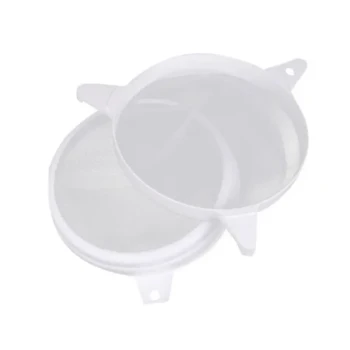
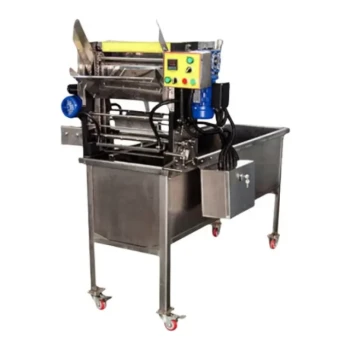
Automated honey processing systems guarantee stability by integrating closed-loop circulation with precise temperature compensation controls to isolate the product from environmental variables. This industrial approach prevents the two most primary causes of degradation: the absorption of atmospheric moisture and the chemical spikes in Hydroxymethylfurfural (HMF) caused by localized overheating.
Core Takeaway By utilizing sealed piping and optimized fluid dynamics, automated systems decouple honey from external air and unregulated heat sources. This ensures that critical parameters—specifically density, viscosity, and active enzyme levels—remain consistent throughout the transition from bulk drums to retail packaging, protecting the product's standardized commercial value.
Controlling Chemical Stability (HMF and Enzymes)
To maintain the chemical profile of raw honey, automation must address heat stress. Excessive heat destroys enzymes and spikes HMF levels, a key indicator of poor quality or age.
Precise Temperature Compensation
Manual processing often leads to uneven heating. Industrial systems use temperature compensation controls to maintain a uniform thermal state.
This prevents "hot spots" or localized overheating during liquefaction and filtration. By keeping temperatures strict, the system preserves heat-sensitive active enzyme content.
Optimized Fluid Dynamics
Stagnant honey creates heat traps. Automated machinery utilizes optimized fluid dynamics to keep honey moving efficiently through the system.
This minimizes the duration of heat exposure during filtration and packaging. Reducing this "contact time" inhibits the secondary formation of HMF, ensuring the bottled product matches the chemical metrics of the raw material.
Preserving Physical Stability (Moisture and Viscosity)
Honey is hygroscopic, meaning it naturally attracts moisture from the air. Physical stability relies on strictly managing this exposure.
Closed-Loop Circulation
Professional systems employ closed-loop circulation and sealed piping. This eliminates the open-air exposure common in manual "gravity-fed" or bucket methods.
By isolating the honey, the system prevents it from absorbing environmental humidity. This stabilizes the viscosity and density of the final product, ensuring every bottle pours with the same thickness.
Prevention of Fermentation
Moisture control is a biological necessity. By strictly maintaining moisture content below 20 percent, automated systems inhibit yeast reproduction.
Sealed metering pumps further minimize air contact. This prevents the fermentation and spoilage that occur when honey becomes too diluted, effectively extending the product's shelf life.
Enhancing Purity and Clarity
Beyond stability, the physical appearance and texture of the honey must meet commercial standards without stripping nutritional value.
Non-Destructive Filtration
Automated systems use physical centrifugal forces or multi-stage filtration rather than thermal straining.
This efficiently removes beeswax particles, hive debris, and impurities. Crucially, it achieves high clarity without damaging the nutritional components that define the honey’s quality grade.
Oxidative Prevention
Exposure to oxygen degrades flavor and color over time. Industrial-grade filling equipment minimizes the honey-to-air contact time.
This barrier against oxidation maintains the honey's natural sensory characteristics. It ensures the flavor profile remains distinct and stable during long-term storage and logistics.
Understanding the Trade-offs
While automation offers superior consistency, it introduces specific operational challenges that must be managed.
The Risk of Sensor Drift
The stability of the product is entirely dependent on the accuracy of the sensors. If temperature probes drift or lose calibration, the system may inadvertently overheat the honey without the operator realizing it until HMF tests fail.
Maintenance of Seals
The "closed-loop" benefit is lost if seals degrade. Regular maintenance of metering pumps and piping gaskets is critical; a single leak introduces air and moisture, compromising the entire batch's physical stability.
Making the Right Choice for Your Goal
Selecting the right level of automation depends on which stability factor is most critical to your market.
- If your primary focus is Enzyme Preservation (Raw Honey): Prioritize systems with advanced fluid dynamics and low-temperature filtration to minimize heat stress and preserve nutritional integrity.
- If your primary focus is Shelf Life and Standardization: Prioritize systems with sealed piping and precise humidity control to keep moisture below 20% and inhibit fermentation.
Ultimately, automated filling is not just about speed; it is a quality control strategy that locks in the physicochemical state of the honey at the moment of processing.
Summary Table:
| Stability Factor | Mechanism | Key Benefit |
|---|---|---|
| Chemical (HMF/Enzymes) | Temperature Compensation | Prevents overheating; preserves active enzyme levels |
| Physical (Moisture) | Closed-Loop Circulation | Prevents atmospheric moisture absorption; stabilizes density |
| Shelf Life | Sealed Metering Pumps | Maintains moisture <20%; inhibits fermentation/yeast |
| Purity/Clarity | Multi-stage Filtration | Efficiently removes impurities without thermal damage |
| Flavor/Color | Oxidation Prevention | Minimizes honey-to-air contact to preserve sensory profile |
Elevate Your Apiary’s Commercial Value with HONESTBEE
Maintaining the delicate balance of enzymes, HMF levels, and moisture is critical for commercial success. At HONESTBEE, we specialize in providing commercial apiaries and distributors with the precise tools needed to protect your product's integrity. From automated honey-filling machines and advanced filtration systems to specialized hive-making machinery and honey-themed cultural merchandise, our comprehensive wholesale portfolio is designed to scale your operations.
Ready to lock in your honey’s quality and extend its shelf life?
Contact our technical experts today to discover how our industrial solutions can optimize your production line.
References
- Manuel Fernando Coronado-Jorge, Pierre Vidaurre-Rojas. Physicochemical characterization of honey bee (Apis mellifera L.) from the Peruvian Amazon region. DOI: 10.5039/agraria.v17i4a2585
This article is also based on technical information from HonestBee Knowledge Base .
Related Products
- Automatic Honey Filling and Filtering Machine for Beekeeping Bottle Filling
- Fully Automatic Honey Filling Packaging Machine for Processing Line
- Semi Automatic Small Honey Bottle Filling Machine Honey Filler
- Precision Durable Efficient HONESTBEE Rotary Honey Filling Machine
- Honey Concentrating and Filtering Dehumidifier Machine 2T Capacity for Honey
People Also Ask
- What process advantages do professional honey filtering and filling machines provide? Optimize Your Organic Honey Output
- How do honey filling and filtering machines increase product value? Turn Raw Honey into Premium Export-Grade Goods
- How do honey filtration and filling machinery contribute to industrialization? Scale Your Commercial Honey Production
- What specific issues do industrial filtration and automated filling machinery address? Ensure Honey Quality & Compliance
- How does the use of professional honey filtration and filling machinery facilitate international honey exports?