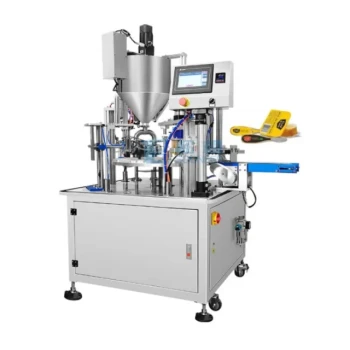
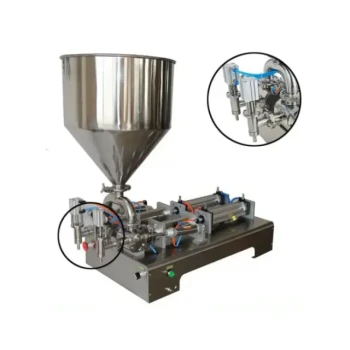
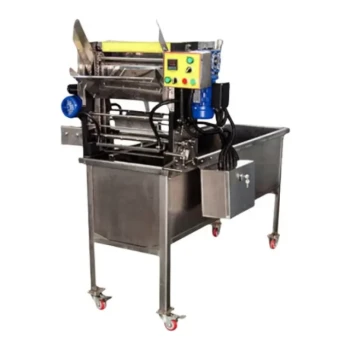
Automated honey filling machines serve as the critical infrastructure for transforming raw honey from a low-cost commodity into a high-value retail brand. By enforcing precise volumetric dosing and hygienic sealing, these systems ensure compliance with rigorous food safety standards, which is the primary gateway to premium retail markets. This automation allows practitioners to shift their focus from labor-intensive manual packaging to building a scalable, consistent commercial brand.
The transition from beekeeper to brand owner requires more than just a good product; it demands industrial consistency. Automated filling eliminates the variability and contamination risks of manual processing, unlocking the certification and efficiency needed to capture higher profit margins.
Establishing Market Access Through Standardization
Meeting Rigorous Food Safety Standards
To enter premium retail channels, your product must meet strict hygiene regulations. Automated machines utilize hygienic sealing and sterile packaging technologies that are difficult to replicate manually.
This minimizes human contact, significantly reducing the risk of biological contamination. By guaranteeing a sterile process, you ensure the product remains safe and shelf-stable, a non-negotiable requirement for large-scale distribution.
Precision Volumetric Dosing
Retail consumers and regulatory bodies demand exactness. Industrial machines provide high-precision metering control, ensuring that every bottle contains the exact net weight advertised.
This consistency builds consumer trust—crucial for brand loyalty—and ensures compliance with Weights and Measures regulations. It prevents the reputational damage that comes from under-filled containers in a retail setting.
The Economics of Brand Building
Capturing Higher Profit Margins
Selling raw honey in bulk typically yields the lowest return on investment. By packaging the honey into retail-ready units, beekeepers capture the value-added markup that usually goes to third-party packers.
This direct-to-consumer or direct-to-retail model significantly improves livelihood stability. It turns a seasonal harvest into a standardized commercial good with year-round sales potential.
Reducing Waste and Overhead
Manual filling often leads to product overflow and material loss, which directly eats into profits. Automated systems minimize this waste through precise quantitative filling.
Furthermore, these machines drastically reduce labor costs. By automating the most repetitive part of the process, you can reallocate resources toward marketing, distribution, or managing more bee colonies.
Preserving Product Integrity
Maintaining Enzyme Stability
Honey is a sensitive product; its value lies in its active components. Automated machines often utilize sealed processes that protect the honey from environmental factors during bottling.
This helps maintain the stability of active enzymes and nutrients. For a brand claiming "premium" or "raw" quality, preserving these bio-active properties is essential for justifying a higher price point.
Understanding the Trade-offs
The Cost of Entry vs. Volume
While automation unlocks value, it represents a significant capital expenditure. For very small apiaries, the initial cost of the machinery may outweigh the immediate returns from retail sales.
Maintenance and Technical Skill
Transitioning to automation requires a shift in skill sets. You move from purely managing biology (bees) to managing electro-mechanical systems.
These machines require regular maintenance and calibration to maintain their precision. Failure to maintain the equipment can lead to downtime, which is costly when you have retail contracts to fulfill.
Making the Right Choice for Your Goal
To successfully leverage this technology, align your equipment choice with your specific business objective:
- If your primary focus is Market Access: Prioritize machines with advanced hygienic sealing and sterilization features to ensure your product meets the certifications required for organic or high-end grocery chains.
- If your primary focus is Profit Maximization: Focus on machines with high-speed quantitative filling capabilities to minimize labor costs and eliminate product waste (overflow) entirely.
By treating the filling process as a core strategic asset rather than a mere final step, you transform beekeeping from a harvest-based activity into a sustainable, scalable business enterprise.
Summary Table:
| Feature | Manual Filling | Automated Filling | Impact on Brand Value |
|---|---|---|---|
| Dosing Precision | Low (prone to error) | High-precision metering | Builds consumer trust & ensures compliance |
| Hygiene Control | High contamination risk | Sterile, sealed process | Meets rigorous retail food safety standards |
| Labor Efficiency | High labor intensity | Minimal manual labor | Reduces overhead; allows focus on marketing |
| Product Integrity | Variable exposure | Protected enzyme stability | Justifies premium pricing for 'raw' honey |
| Waste Reduction | High (overflow/spills) | Minimal (quantitative control) | Maximizes ROI per harvest unit |
Elevate Your Honey Brand with HONESTBEE Professional Solutions
Transitioning from raw honey sales to a high-value retail brand requires more than just quality honey—it requires industrial consistency and efficiency. HONESTBEE specializes in empowering commercial apiaries and distributors with the professional tools needed to scale.
Whether you need high-precision honey-filling machines, specialized hive-making hardware, or essential industry consumables, our comprehensive wholesale offering is designed to maximize your profit margins and ensure market compliance.
Ready to transform your harvest into a global brand?
Contact HONESTBEE Today for a Custom Equipment Quote
References
- Geetanjali Gupta, Sapna Gupta. Socio-Economic Profile of Beekeepers in Jammu Division: A Demographic and Economic Assessment as as a part of Ph.D Thesis Reserch.. DOI: 10.71097/ijsat.v16.i3.7341
This article is also based on technical information from HonestBee Knowledge Base .
Related Products
- Fully Automatic Honey Filling Packaging Machine for Processing Line
- Automatic Honey Filling and Filtering Machine for Beekeeping Bottle Filling
- Precision Durable Efficient HONESTBEE Rotary Honey Filling Machine
- Semi Automatic Small Honey Bottle Filling Machine Honey Filler
- Precision Automated Packaging Turntable Honey Spoon Filling Sealing Packing Machine
People Also Ask
- Why are fully automatic honey filling and packaging lines essential? Boost Your Honey's Market Value and Quality
- What is a fully-automatic honey filler? Streamline Your Production with High-Precision Automation
- How do automated honey filling and packaging machines affect profitability? Boost Margins with HONESTBEE Technology
- How do automated honey filling and packaging machines contribute to the market value of honey products? Maximize Your ROI
- How do industrial-grade automated honey filling and packaging machines mitigate the risk of physical contamination?