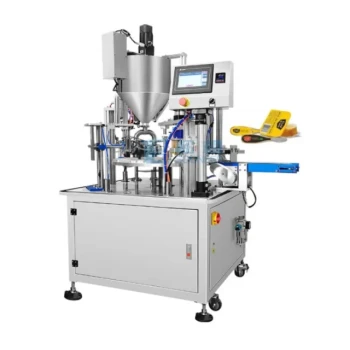
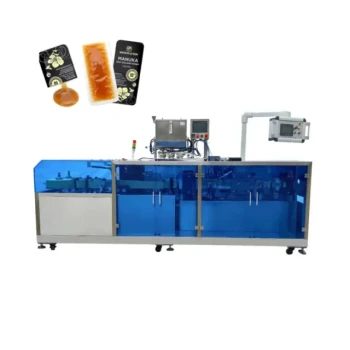
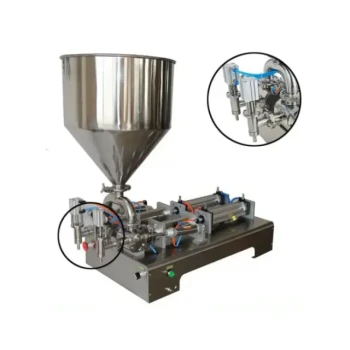
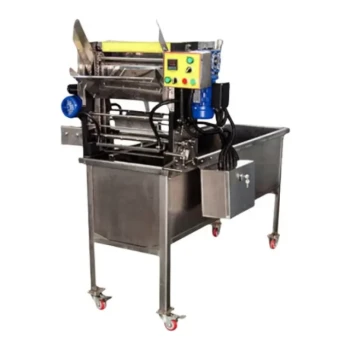
Automated honey filling machines drive production efficiency by coupling high-speed processing with quantitative precision. They replace variable manual packaging with a standardized, sterile workflow that ensures consistent product volume and strict adherence to hygiene standards.
The true value of automation lies in resource reallocation. By streamlining the packaging phase, commercial apiaries can divert critical labor away from repetitive bottling and toward high-impact technical tasks, such as population genetic improvement and disease management.
Strategic Resource Allocation
Shifting Focus to Core Technical Activities
According to the primary technical guidelines, the implementation of automated filling does more than simply increase bottling speed. It fundamentally alters the labor distribution within an apiary.
By removing the bottleneck of manual packaging, researchers and apiary managers can redirect their attention to upstream value generation. This includes focusing on population genetic improvement and rigorous honeybee health monitoring, which are critical for long-term yield sustainability.
Reducing Labor Intensity
Manual honey processing is labor-intensive and prone to inconsistencies. Professional automation machinery significantly reduces the physical labor required for the transition from extraction to packaging.
This reduction in manual workload allows commercial operations to maintain leaner, more specialized teams focused on colony management rather than assembly-line tasks.
Enhancing Product Standardization and Quality
Precision Metering and Waste Reduction
Industrial-grade machines utilize high-precision metering pumps and weighing sensors. This technology ensures that every unit contains a consistent fill volume, eliminating the variability inherent in manual pouring.
This precision directly impacts the bottom line by effectively reducing raw material waste. Overfilling is eliminated, and underfilling—which causes compliance issues—is prevented.
Preserving Chemical Integrity
Automated systems are essential for maintaining the physical and chemical stability of the honey. By using vacuum suction technology and minimizing exposure to ambient air, these machines help keep Hydroxymethylfurfural (HMF) levels stable.
For premium varieties, such as oak honey, this controlled environment is crucial. It prevents oxidation and preserves sensitive phenolic compounds and antioxidant levels, ensuring the product meets medicinal-grade or high-nutritional-grade standards.
Ensuring Hygiene and Sterility
Manual handling introduces a significant risk of secondary contamination. Automated filling machines create a sterile packaging environment that isolates the honey from external contaminants.
This "sterile and accurate" approach ensures that the final product remains safe and compliant with rigorous food safety standards, enhancing market competitiveness.
Managing Peak Production Constraints
Increasing Supply Chain Resilience
Commercial apiaries often face extreme pressure during peak harvest years, where large volumes of raw material must be processed quickly. Low-efficiency manual filling can lead to bottlenecks, increasing the risk of spoilage or secondary loss.
Automated machines provide the speed and stability required to rapidly process these large volumes. This capability stabilizes income expectations by ensuring that a bumper harvest can be successfully converted into a finished product without degradation.
Understanding the Operational Trade-offs
The Requirement for Standardization
While automation improves efficiency, it demands a rigid adherence to standardized packaging processes. Unlike manual filling, which can adapt to odd-sized jars on the fly, industrial machines require consistent inputs to function correctly.
Maintenance vs. Operation
Adopting this technology shifts the operational burden from filling labor to technical maintenance. The sophisticated sensors and vacuum systems require calibration and monitoring to ensure they continue to deliver the "quantitative precision" promised.
Making the Right Choice for Your Goal
To select the appropriate automation strategy, you must identify your apiary's primary objective:
- If your primary focus is Genetic Improvement: Implement high-speed automation to liberate your workforce, allowing them to dedicate maximum time to breeding programs and health monitoring.
- If your primary focus is Premium/Medicinal Honey: Prioritize machines with vacuum suction and minimal air exposure capabilities to preserve antioxidant levels and HMF stability.
- If your primary focus is Volume and Scale: Choose industrial-grade systems with high-precision metering pumps to maximize throughput during peak harvests and minimize raw material waste.
Automation is not just about speed; it is a strategic tool that stabilizes quality while unlocking time for high-value scientific work.
Summary Table:
| Key Feature | Impact on Production | Benefit for Commercial Apiaries |
|---|---|---|
| Precision Metering | Reduces overfilling & raw material waste | Increased profit margins & regulatory compliance |
| Vacuum Technology | Maintains low HMF levels & chemical stability | Preserves antioxidant quality & medicinal value |
| High-Speed Processing | Eliminates manual bottling bottlenecks | Ability to handle peak harvest volumes with ease |
| Automated Sterility | Minimizes exposure to ambient contaminants | Ensures high food safety standards & shelf life |
| Labor Reallocation | Shifts focus from packaging to colony health | Enables breeding programs & genetic improvement |
Scale Your Apiary Operations with HONESTBEE Precision
Maximize your harvest's value and liberate your workforce for high-impact technical tasks with HONESTBEE. As a leading partner for commercial apiaries and distributors, we provide a comprehensive wholesale range of honey-filling machines, hive-making equipment, and essential beekeeping tools.
From industrial-grade machinery to honey-themed cultural merchandise, our portfolio is designed to enhance your efficiency and market competitiveness. Ready to upgrade your production line? Contact us today to discuss our tailored equipment solutions!
References
- О.Ю. Фоменко. ПОЛИМОРФНЫЕ STR МАРКЕРЫ КАК ИНСТРУМЕНТ ПОПУЛЯЦИОННО-ГЕНЕТИЧЕСКИХ ИССЛЕДОВАНИЙ МЕДОНОСНЫХ ПЧЕЛ Apis mellifera L. (обзор). DOI: 10.15389/agrobiology.2020.6.1090rus
This article is also based on technical information from HonestBee Knowledge Base .
Related Products
- Fully Automatic Honey Filling Packaging Machine for Processing Line
- Automatic Honey Filling and Filtering Machine for Beekeeping Bottle Filling
- Precision Durable Efficient HONESTBEE Rotary Honey Filling Machine
- Precision Automated Packaging Turntable Honey Spoon Filling Sealing Packing Machine
- Semi Automatic Small Honey Bottle Filling Machine Honey Filler
People Also Ask
- Why are fully automatic honey filling and packaging lines essential? Boost Your Honey's Market Value and Quality
- What is a fully-automatic honey filler? Streamline Your Production with High-Precision Automation
- How do automated honey filling and packaging machines affect profitability? Boost Margins with HONESTBEE Technology
- How do automated honey filling and packaging machines contribute to the market value of honey products? Maximize Your ROI
- How do industrial-grade automated honey filling and packaging machines mitigate the risk of physical contamination?