Stingless bee operations require compact, species-specific hive systems and gentler processing equipment than standard honey bee apiaries. Instead of movable frames and centrifugal extractors, commercial meliponiculture typically uses sealed modular boxes, vertical sectional hives, or adapted log enclosures. These systems provide access to propolis and honey pots while protecting the brood core and maintaining the colony’s stable internal microclimate.
The central difference is nest architecture: Apis bees build accessible combs that support frame-based inspection and centrifugal extraction, while stingless bees store products in separate wax pots inside enclosed cavities. Commercial equipment must therefore prioritize compact hive compartments, careful sectional harvesting, hygienic low-impact extraction, and species-specific dimensions.
How Stingless Bee Hives Differ from Standard Honey Bee Hives
Standard honey bee hives are built around movable combs
Commercial Apis mellifera operations commonly use larger hive bodies with removable frames. Bees store honey and pollen in parallel combs, allowing beekeepers to inspect, uncap, remove, and centrifugally extract honey at scale.
This design supports standardized equipment such as frame lifters, hive tools, uncapping machines, radial or tangential extractors, settling tanks, and honey pumps.
Stingless bees use enclosed nest architecture
Stingless bees store honey and pollen in clusters of rounded wax pots, not flat, parallel combs. Their nests are typically located in dark, protected cavities with entrances sealed or reinforced using sticky propolis.
Their hives therefore need compact, well-sealed compartments rather than standard frame galleries. The structure should provide access to storage areas without exposing or damaging the brood core.
Modular and sectional designs improve commercial handling
Commercial stingless bee systems often use:
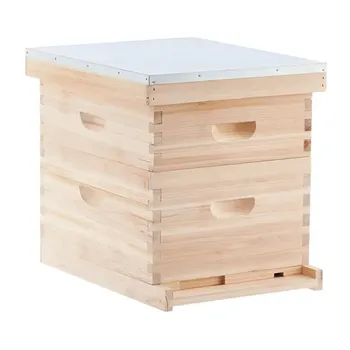
- Modular wooden boxes
- Vertical terraced hives
- Sectional log hives
- Specialized micro-hives
- Sheltered hive structures for climate protection
Sectional designs allow operators to separate honey and propolis storage areas from the brood chamber. This reduces colony disturbance and makes harvesting more repeatable for wholesalers, distributors, and larger apiaries.
Hive dimensions must match the species and environment
Stingless bee colonies are smaller than typical Apis mellifera colonies and require less internal volume. Reference designs commonly use lightweight wooden boxes approximately 20 × 20 × 20 cm or 20 × 20 × 25 cm, with wood thickness around 1.5 cm.
These dimensions are not universal specifications. Internal volume, entrance size, ventilation, and insulation should be adapted to the local stingless bee species, colony strength, and climate.
Equipment Differences for Propolis Production
Propolis is harvested from different locations
In standard honey bee hives, propolis is commonly deposited around frame joints, box seams, and hive entrances. Beekeepers may collect it with hive tools, screens, or removable surfaces designed to encourage propolis buildup.
Stingless bees often place propolis around entrances, cavity walls, storage structures, and nest seals. The material may be more resinous, sticky, and closely integrated with the hive’s defense and environmental-control system.
Stingless bee systems need access without opening the brood core
For commercial stingless bee production, the hive should expose harvestable propolis zones while keeping the brood chamber stable and dark. Useful design features include:
- Removable entrance sections
- Dedicated propolis collection panels
- Separated storage compartments
- Interlocking wooden modules
- Smooth internal surfaces for easier cleaning
- Tight seals that reduce pest entry
The objective is not simply to maximize collection. It is to harvest surplus propolis without weakening the colony’s nest protection or disrupting brood development.
Propolis harvesting tools should be compact and hygienic
A stingless bee equipment package may include:
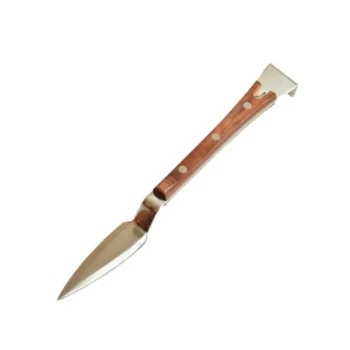
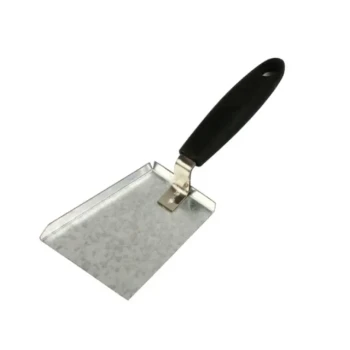
- Small hive scrapers and spatulas
- Propolis collection trays or inserts
- Fine knives for separating storage sections
- Food-grade collection containers
- Covered transport bins
- Cleaning and sanitizing tools
- Fine filtration equipment for processed extracts
Because stingless bee colonies are smaller, oversized commercial hive tools can be inefficient and increase the risk of crushing pots, damaging nest walls, or disturbing brood.
Equipment Differences for Honey Production
Apis honey is suited to comb-based extraction
Standard honey bee honey is normally harvested from capped comb. The workflow may include:
- Removing honey frames
- Uncapping the comb
- Loading frames into an extractor
- Filtering and settling the honey
- Pumping into storage or filling containers
This process is highly compatible with centralized commercial processing lines.
Stingless bee honey is stored in individual pots
Stingless bee honey is generally collected from wax storage pots rather than comb. Harvesting commonly involves gentle scooping, piercing, pumping, or pressing, depending on the hive design and production scale.
A centrifugal extractor designed for Apis frames is therefore not the correct primary machine. It has no suitable frame structure to process and may damage the delicate pots or introduce excess debris.
Processing must account for higher moisture
Stingless bee honey often has a substantially higher natural moisture content than conventional honey. Its flavor, acidity, viscosity, and microbial activity also differ by species, floral source, and handling conditions.
Commercial processors therefore need a controlled workflow involving:
- Gentle collection pumps
- Food-grade suction or transfer systems
- Coarse and fine filtration
- Covered settling or holding containers
- Hygienic liquid-filling equipment
- Storage systems appropriate for higher-moisture honey
The product should not automatically be treated like standard low-moisture Apis honey. Storage stability, fermentation behavior, labeling, and quality specifications must be established for the specific product and market.
Processing should preserve product characteristics
Stingless bee honey is often marketed as a premium or medicinal product. Excessive heat, aggressive pumping, poor filtration, and dirty contact surfaces can reduce quality and compromise the product’s distinctive biological and sensory properties.
Processing lines should favor low-impact transfer, controlled exposure, easy sanitation, and rapid filling. For distributors and resellers, equipment compatibility with food-contact standards is as important as headline machine capacity.
Hive Management and Supporting Equipment
Protective equipment requirements are reduced, not eliminated
Stingless bees do not possess functional stings, so commercial operators generally need less heavy protective clothing than standard honey bee keepers. However, stingless bees can still defend colonies by biting, tangling in hair, or applying sticky resin in some species.
Operators still benefit from:
- Veils or eye protection
- Lightweight gloves where appropriate
- Clean hive tools
- Pest-control accessories
- Covered transport boxes
- Hive stands and weather shelters
The lower sting risk changes the safety profile, but it does not remove the need for disciplined handling.
Environmental control is central to hive performance
Compact stingless bee boxes help maintain a stable internal microclimate. They should be protected from excessive rain, direct heat, flooding, and large temperature fluctuations.
Commercial installations commonly require:
- Raised hive stands
- Roofs or shaded shelters
- Weather-resistant external coatings
- Secure entrance protection
- Ventilation appropriate to the local climate
- Ant and pest barriers
These supporting products are especially important for distributors supplying complete meliponiculture systems rather than individual hive boxes.
Hive-making equipment must support modular production
Manufacturers and wholesalers may need woodworking and assembly equipment capable of producing repeatable, clean, accurately fitted modules. Relevant capabilities include:
- Precise cutting and drilling
- Entrance-hole sizing
- Box joining and sealing
- Removable partition production
- Surface finishing
- Batch labeling and packaging
Consistency matters because irregular dimensions can create unwanted gaps, poor insulation, or mismatched modules that slow colony management.
Commercial Workflow: Matching the Equipment to the Product
A stingless bee operation needs a different processing line
A practical stingless bee setup may include four connected equipment groups:
- Hive infrastructure: modular boxes, vertical sections, stands, shelters, and entrance components.
- Propolis tools: collection inserts, scrapers, trays, covered bins, and cleaning equipment.
- Honey equipment: gentle pumps, pot-access tools, filters, settling vessels, and food-grade containers.
- Packaging equipment: liquid fillers, capped-container handling, labels, and storage units.
This is different from an Apis line centered on frames, uncapping machinery, centrifugal extractors, and large honey tanks.
Product segmentation affects the equipment choice
Operations selling raw honey and raw propolis need a different setup from those producing filtered honey, bottled premium products, or propolis derivatives.
Before purchasing, define whether the intended output is:
- Raw propolis
- Cleaned or filtered propolis
- Raw stingless bee honey
- Filtered and bottled honey
- Premium medicinal-positioned products
- Bulk wholesale ingredients
- Retail-ready packaged units
This prevents a common procurement error: buying a high-capacity Apis processing line that cannot handle stingless bee storage structures or product characteristics.
Understanding the Trade-offs
Stingless bee hives are gentler but less standardized
Modular stingless bee hives can reduce brood disturbance and make targeted harvesting easier. However, designs vary more by species, region, and traditional practice than standardized Apis frame systems.
That variability increases the importance of species-specific technical advice and accurate replacement-part sourcing.
Smaller colonies can mean lower throughput
Stingless bees may operate with smaller colony populations and produce less honey per colony than large Apis mellifera colonies. Their products can command premium value, but commercial output depends on many colonies, efficient harvesting, and strong quality control.
Equipment should therefore be sized for the intended colony base and batch volume rather than selected solely by maximum machine capacity.
Specialized equipment increases procurement complexity
Stingless bee operations may require several smaller, specialized tools instead of one familiar extraction system. This can create challenges in compatibility, spare parts, cleaning procedures, and operator training.
A supplier that can provide hives, propolis accessories, pumps, filters, filling equipment, and replacement components as one coordinated package can reduce those risks.
Higher-moisture honey demands stricter quality management
Stingless bee honey may require closer control of collection hygiene, storage temperature, moisture, acidity, fermentation, and packaging. Poor handling can cause unwanted fermentation or inconsistent shelf performance.
Producers should establish product-specific specifications and validate them against local regulations and buyer requirements before scaling distribution.
Making the Right Choice for Your Goal
The best equipment package depends on the bee species, colony scale, product format, climate, and sales channel.
- If your primary focus is commercial propolis: Select modular or sectional hives with dedicated collection areas, compact harvesting tools, hygienic containers, and processing equipment that protects the raw resin from contamination.
- If your primary focus is premium stingless bee honey: Use sealed micro-hives, gentle pot-access tools, low-impact pumps, fine filtration, suitable storage vessels, and liquid-filling equipment rather than standard centrifugal extractors.
- If your primary focus is high-volume Apis honey: Invest in movable-frame hives, uncapping systems, centrifugal extractors, settling tanks, pumps, and standardized frame-handling equipment.
- If your primary focus is supplying distributors or resellers: Build a complete, species-specific product portfolio with compatible hive modules, accessories, processing tools, spare parts, and responsive technical support.
- If your primary focus is operational reliability: Standardize hive dimensions, entrance components, cleaning procedures, packaging formats, and replenishment schedules across the production network.
The right commercial system treats stingless bees not as smaller honey bees, but as a distinct production model requiring specialized hive architecture and gentle, hygienic processing.
Summary Table:
| Aspect | Stingless Bees | Honey Bees |
|---|---|---|
| Hive structure | Compact modular boxes, vertical sections | Standardized frame-based hives |
| Honey storage | Wax pots | Parallel combs |
| Extraction method | Gentle scooping/pumping | Centrifugal extraction |
| Propolis location | Entrances, cavity walls | Frame joints, box seams |
| Equipment size | Smaller, specialized | Larger, standardized |
| Processing needs | Low-impact, higher moisture | High-capacity, lower moisture |
Maximize your stingless bee operation with our specialized hives and gentle processing equipment. From modular hive systems to hygienic extraction tools, we provide a complete portfolio for commercial meliponiculture. Contact us today to optimize your production and supply chain.
Related Products
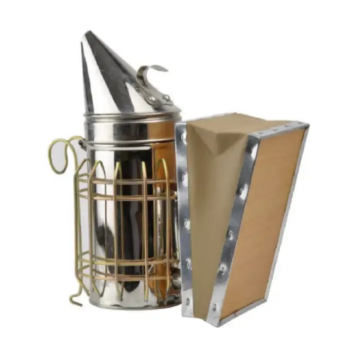
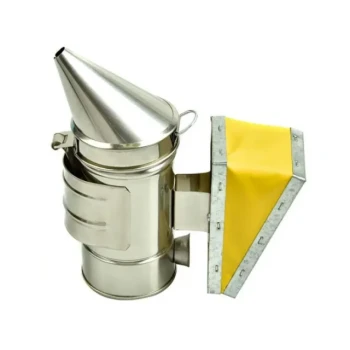
- European Stainless Steel Bee Smoker for Honey Bee Hive
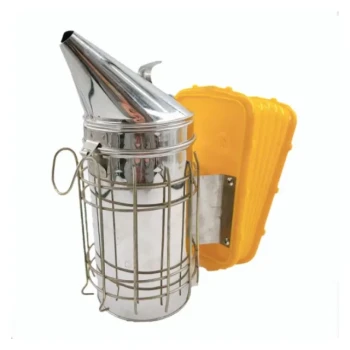
- Stainless Steel Honey Bee Smoker Hive and Honeycomb Smoker for Beekeeping
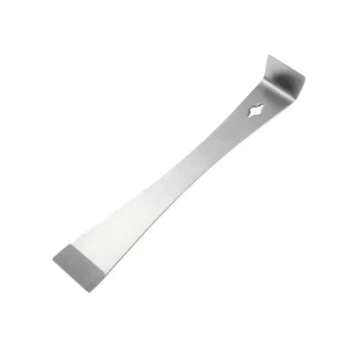
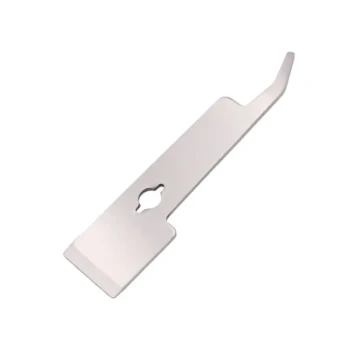
- Professional Stainless Steel Pry-Bar Hive Tool
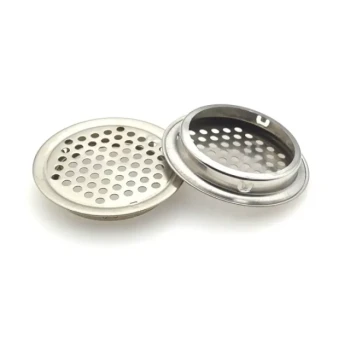
- Stainless Steel Round Beehive Air Vents for Ventilation
- Professional Bee Smoker with Elongated Spout and Durable Bellows for Beekeeping
People Also Ask
- What type of bee smoker is recommended for a beginner? Top Picks for Easy Hive Management
- Why is a stainless steel bee smoker considered indispensable? Master Hive Management with Cool Smoke Technology
- What are bee smokers made out of? Choose the Right Material for Your Apiary
- What are the differences between stainless steel and galvanized steel bee smokers? Choose the Right Smoker for Your Apiary
- What is the technical necessity of using bee smokers? Essential Tools for Safe and Efficient Hive Management