Beehives equipped with plasticized lids provide a high-performance nesting environment by combining transparent monitoring with superior environmental isolation. This design allows beekeepers to observe colony health and foraging behavior through a clear polymethyl methacrylate layer without breaking the hive’s internal seal or disrupting the microclimate. By acting as a robust waterproof barrier, these lids prevent moisture ingress and light pollution, ensuring the colony remains stable and productive even in volatile outdoor pollination environments.
The core advantage of plasticized lid systems is their ability to maintain a strictly controlled internal atmosphere while offering non-intrusive visibility. This dual-functionality minimizes colony stress and prevents moisture-related diseases, making them an essential asset for professional pollination services.
Precision Micro-Environment Regulation
Stabilizing Internal Temperature and Humidity
Specialized beehives are designed to mimic the insulating properties of natural tree hollows, protecting colonies from extreme weather. The plasticized lid works in tandem with the hive body to prevent rapid temperature fluctuations that can kill sensitive larvae. By sealing the unit, these lids also maintain constant humidity levels, preventing the dehydration of larval food stores.
Superior Moisture and Waterproofing
Rainwater and dew are significant threats to stingless bee health, often leading to honey fermentation or mold growth. The waterproof performance of plastic materials ensures the internal environment remains dry and hygienic. This dryness is critical for preventing the proliferation of harmful bacteria and fungi that can compromise the entire colony.
Specialized Queen Rearing Support
During the delicate queen rearing process, sealed plastic components act as micro-environmental regulation chambers. These structures provide the physical isolation necessary to stabilize relative humidity around the queen cells. This prevents evaporation from the larval food and protects it from spoilage, ensuring the next generation of pollinators is secure.
Non-Intrusive Colony Management
Observation Without Thermal Shock
Traditional hive inspections require opening the lid, which causes a sudden loss of heat and humidity. The transparent plastic layer allows for "glanceable" monitoring of colony development and honey storage without opening the hive. This keeps the internal climate intact, reducing the recovery time the bees need after an inspection.
Fortified Defense Against External Threats
Stingless bees are vulnerable to a variety of predators, including ants, lizards, and black soldier flies. The robust outer structure and tight-sealing lid act as a primary physical barrier that prevents these intruders from gaining access. These reinforced structures are indispensable for maintaining the safety of the colony in diverse ecosystems.
Biological Barriers and Entrance Protection
Advanced hive designs often incorporate specialized entrance tubes that bees reinforce with propolis. This material provides an antimicrobial barrier that serves as a first line of defense against pathogens. When combined with a secure lid, the hive becomes a fortress that supports both biological and physical security.
Understanding the Trade-offs
Risks of Heat Accumulation
While plasticized lids offer excellent insulation, they can also trap excessive heat if placed in direct sunlight. Without proper shading or ventilation, the "greenhouse effect" can cause internal temperatures to rise to dangerous levels. It is vital to position these hives in shaded or climate-controlled areas to avoid overheating.
Condensation and Ventilation Balance
Non-porous plastic materials do not "breathe" like traditional wood, which can lead to condensation buildup if the hive is not properly designed. To mitigate this, high-quality systems may use internal chemical salt solutions or specific ventilation apertures to balance moisture levels. Distributors must ensure their inventory includes designs that account for this air-to-moisture ratio.
Making the Right Choice for Your Goal
As a distributor or wholesaler, selecting the right hive hardware depends on the specific operational demands of your end-users.
- If your primary focus is high-yield commercial pollination: Prioritize hives with PMMA transparent lids to allow for rapid, large-scale colony health assessments without disrupting pollination activity.
- If your primary focus is colony rescue and conservation: Choose modular designs with reinforced waterproof lids that can withstand the transition from natural environments to managed apiaries.
- If your primary focus is premium honey and propolis production: Opt for hives that feature sealed micro-environment chambers to ensure the purity and quality of the harvested products.
By sourcing advanced hive systems that utilize plasticized protection, you provide your clients with a professional-grade tool that ensures long-term colony viability and superior ecological outcomes.
Summary Table:
| Key Feature | Primary Benefit | Operational Outcome |
|---|---|---|
| Transparent PMMA Layer | Monitoring without lid removal | Zero thermal shock; reduced colony stress |
| Plasticized Seal | Waterproof & moisture barrier | Prevents honey fermentation and mold growth |
| Micro-Climate Control | Stable temp & humidity | High larval survival & queen rearing success |
| Reinforced Barrier | Physical predator defense | Protection against ants, lizards, and pests |
Elevate Your Beekeeping Wholesale with HONESTBEE
Looking to supply your clients with the latest in hive technology? HONESTBEE is your premier partner for high-performance beekeeping hardware. We provide a one-stop sourcing solution for commercial apiaries and B2B distributors, offering a full spectrum of products from specialized stingless bee hives and honey-filling machinery to essential industry consumables.
Why Partner with Us?
- Comprehensive Portfolio: Full-spectrum beekeeping tools and hardware.
- Expertise & Reliability: Deep industry knowledge with dedicated customer support.
- Efficient Fulfillment: Rapid response times and ultra-fast delivery to keep your inventory moving.
Maximize your margins and ensure supply reliability today. Contact HONESTBEE for Wholesale Inquiries!
References
- Sahar Van Dyk, Paul Holford. Vanilla planifolia: Artificial and Insect Pollination, Floral Guides and Volatiles. DOI: 10.3390/plants13212977
This article is also based on technical information from HonestBee Knowledge Base .
Related Products
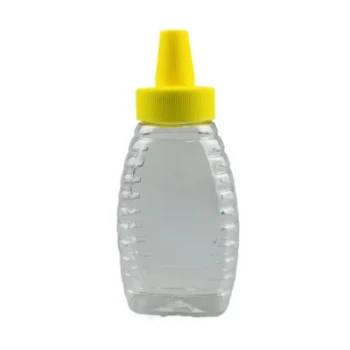
- Classic Beehive Honey Bottle Jar with Squeeze Dispenser Lid
- Professional Insulated Plastic Bee Hives
- Heavy-Duty Bee Smoker with Durable Plastic Bellows for Beekeeping
- Plastic Bee Frame Beekeeping Hive Frames for Wholesale
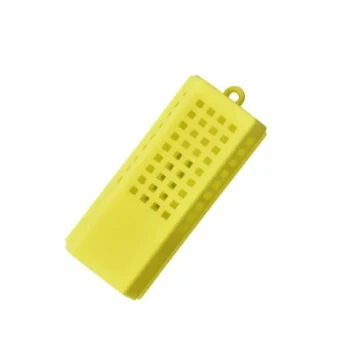
- Professional Multi-Compartment Queen Cage with Sliding Lid
People Also Ask
- Why use high-quality honey jars? Protect Your Harvest with Superior Plastic & Glass Packaging Solutions
- What are the benefits of squeeze bottles for honey packaging? Unlock Mess-Free Convenience & Control
- How should honey bottles be prepared before pouring honey into them? The #1 Rule for Honey Longevity
- What are the features of honey bottles? Design for Convenience & Long-Term Preservation
- What are the features and benefits of using honey bottles for packaging? Optimize Preservation and Consumer Experience