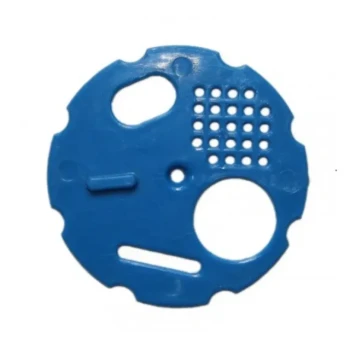
Entrance reducers with a 1 to 1.5 cm aperture prevent robbing by creating a strict physical bottleneck that forces all incoming traffic through a single, defensible point. This mechanical barrier neutralizes the numerical advantage of invading swarms, allowing the resident colony to effectively secure their hive even during periods of nectar scarcity.
By minimizing the entry space to a narrow 1 to 1.5 cm diameter, you transform the hive entrance from a vulnerable open front into a consolidated defensive line. This mechanical intervention is the most effective way to empower guard bees to repel robbers and pests while simultaneously stabilizing the internal microclimate.
The Mechanics of Hive Defense
Creating a Physical Chokepoint
The primary mechanism of the entrance reducer is the creation of a mechanical physical barrier. By restricting the opening to a mere 1 to 1.5 cm, the device physically limits the number of insects that can pass through at any given second. This prevents foreign bees from rushing the entrance and overwhelming the colony's defenses through sheer speed or volume.
Maximizing Guard Efficiency
A standard, fully open entrance presents a wide perimeter that requires a significant number of bees to patrol. Reducing the entry space significantly decreases the physical area that guard bees must monitor. This allows the colony to concentrate its security force in a small area, ensuring that every bee attempting to enter is scrutinized.
Protecting Vulnerable Colonies
This consolidation of defense is vital for weak or compromised colonies. A smaller population may lack the manpower to defend a full-width entrance, making them easy targets for robbing. By narrowing the aperture, the entrance reducer levels the playing field, allowing even a smaller colony to maintain a strong primary line of defense.
Beyond Robbing: Environmental and Pest Control
Stabilizing the Microclimate
The utility of a 1 to 1.5 cm aperture extends beyond physical security to environmental regulation. The restricted opening helps stabilize the internal microclimate by limiting air exchange with the outside environment. This is particularly crucial during late autumn and early winter, as it minimizes heat loss and helps the colony maintain the warmth required for survival.
Preventing Small Hive Beetle Infiltration
The strengthened defensive line is also effective against non-bee intruders. The consolidated guard force is better positioned to spot and attack adult Small Hive Beetles attempting to enter. Denying these pests entry is critical, as they can devastate a colony quickly once established inside.
Understanding the Trade-offs
Potential for Congestion
While a 1.5 cm opening is ideal for defense, it can create a bottleneck during periods of high activity. In the height of a strong nectar flow, a healthy, populous colony may experience traffic congestion at the entrance. This can slow down foragers and reduce overall productivity if left in place when the risk of robbing is low.
Ventilation Constraints
Reducing the entrance size inherently reduces airflow. While this helps retain heat in winter, it can be detrimental during extreme summer heat. You must balance the need for security against the colony's need for ventilation to prevent the hive from overheating.
Making the Right Choice for Your Goal
Entrance reducers are situational tools that should be applied based on the specific threats facing your apiary.
- If your primary focus is Preventing Robbing: Install the reducer immediately during nectar dearths to give guard bees a mechanical advantage against foreign looters.
- If your primary focus is Winter Preparation: Use the reducer in late autumn to minimize heat loss and stabilize the hive's internal temperature.
- If your primary focus is Supporting Weak Colonies: Maintain the reducer on compromised hives regardless of the season to prevent infiltration by Small Hive Beetles and stronger bee colonies.
Strategically managing your entrance size is one of the highest-impact, low-effort management techniques available to preserve colony health.
Summary Table:
| Feature | Specification | Primary Benefit |
|---|---|---|
| Aperture Size | 1 to 1.5 cm Diameter | Creates a defensible chokepoint against robbers |
| Defense Strategy | Physical Bottleneck | Neutralizes numerical advantages of invading swarms |
| Guard Efficiency | Concentrated Patrolling | Reduces the area guard bees must monitor |
| Climate Control | Reduced Air Exchange | Minimizes heat loss during late autumn and winter |
| Pest Prevention | Mechanical Barrier | Increases detection of Small Hive Beetles |
Secure Your Apiary for Scale with HONESTBEE
Protecting your colonies is the foundation of a successful honey operation. HONESTBEE specializes in empowering commercial apiaries and distributors with high-quality beekeeping tools and industrial-grade machinery. From precision-engineered entrance reducers to honey-filling machines and specialized hive-making hardware, we provide the full spectrum of equipment needed to safeguard and scale your business.
Ready to optimize your apiary’s productivity and defense?
Contact Us Today to Explore Wholesale Solutions
References
- R.Jamolov B.Boboyev Z.Mo'ydinova. WORKS DONE IN THE FAMILIES OF BEES IN AUTUMN. DOI: 10.5281/zenodo.7219637
This article is also based on technical information from HonestBee Knowledge Base .
Related Products
- Steel Round Disc Entrance Reducer for Flexzion Bee Hive Nuc Box Gate
- Beehive Entrance Reducer Guardian Metal Hive Entrance for Bees
- Professional Hive Front Entrance Bee Feeder
- HONESTBEE Entrance Bee Feeder Efficient Hive Front Liquid Feeding Solution for Beekeeping
- HONESTBEE Entrance Bee Feeder Professional Hive Nutrition Solution for Beekeeping
People Also Ask
- What is the purpose of an entrance reducer for a beehive? Strengthen Colony Defense and Prevent Robbery
- Why are entrance reducers used to counter hornet infestations? Protect Your Hive with Strategic Choke Points
- Why is it critical to maintain a smaller entrance for a newly established bee hive? Boost Colony Growth and Security
- Under what conditions should a beekeeper adjust the size of a beehive entrance? Seasonal & Defense Management Tips
- What is the function of an entrance reducer on a beehive? Strengthen Colony Defense and Climate Control