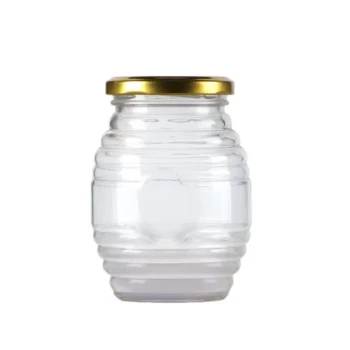
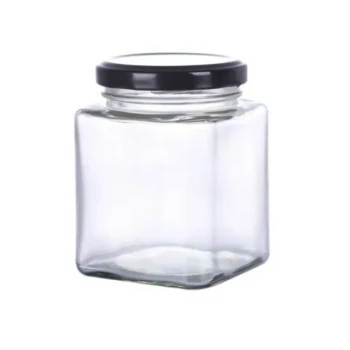
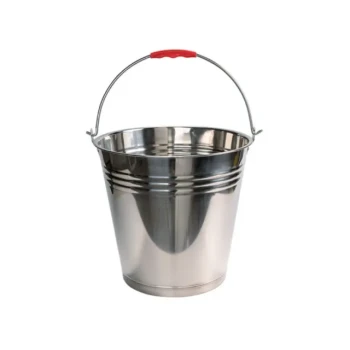
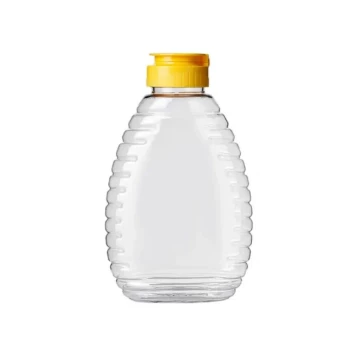
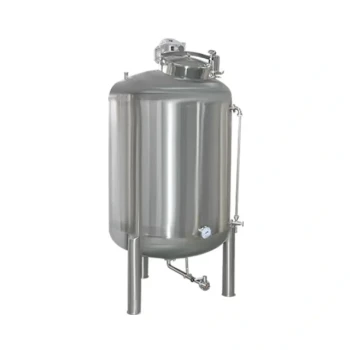
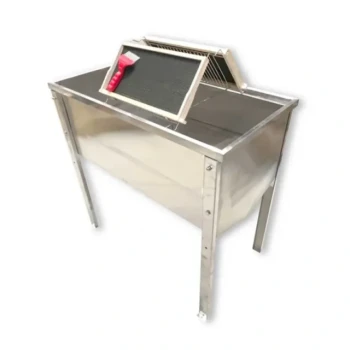
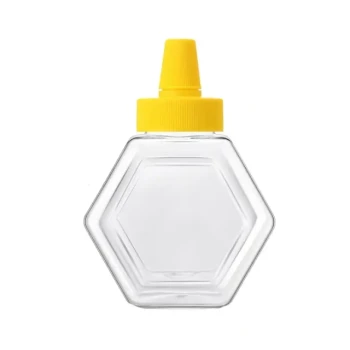
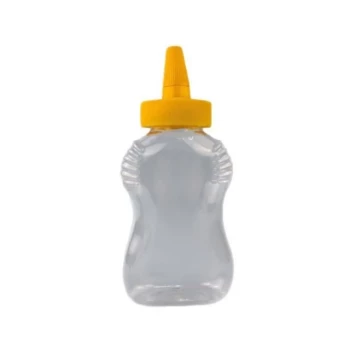
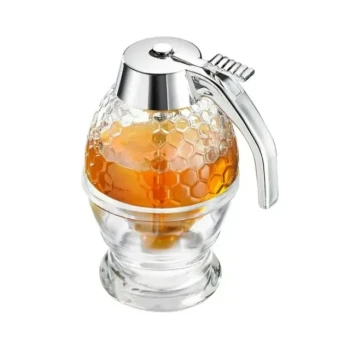
Food-grade honey storage and transport containers act as an essential protective shield for your product's chemical and sensory integrity. They function primarily through superior sealing properties and chemical inertness, which prevent the honey from absorbing atmospheric moisture, reacting with container materials, or taking on environmental odors.
Core Takeaway Honey is a chemically active, hygroscopic substance that is highly susceptible to its environment. Specialized containers do not merely hold the product; they actively stabilize it by creating an airtight, chemically neutral isolation zone that prevents fermentation, oxidation, and contamination.
The Critical Role of Moisture Control
Combating Hygroscopicity
Honey is highly hygroscopic, meaning it naturally attracts and holds water molecules from the surrounding air. If a container lacks a hermetic (airtight) seal, atmospheric moisture will migrate into the honey.
Preventing Fermentation
When honey absorbs excess moisture, it becomes a breeding ground for yeast. This triggers fermentation and spoilage, destroying the product's market value. Professional containers provide the airtight barrier necessary to keep moisture levels stable and inhibit microbial growth.
Protecting High-Risk Varieties
Certain honey varieties, such as that from stingless bees, naturally contain higher moisture levels. For these types, the airtight barrier is even more critical to inhibit fermentation-inducing microorganisms during long-term storage.
Preserving Chemical and Sensory Purity
Chemical Inertness
Honey is naturally weakly acidic. Food-grade containers are chemically inert, meaning they will not react with the honey's acids. This prevents the container material from degrading and leaching harmful substances into the product.
Preventing Odor Absorption
Honey acts like a sponge for environmental scents. High-quality sealing isolates the honey from external odors, ensuring the natural aroma and flavor profile remain authentic from the apiary to the table.
Maintaining Enzyme Activity
Beyond flavor, honey has biological value defined by its enzyme levels. By protecting the honey from oxidation and moisture shifts, these containers ensure that biochemical activity and medicinal values remain stable.
Understanding the Trade-offs
The Risk of Metal Containers
While tin or metal buckets are common for large-capacity storage, they pose a specific risk due to honey's acidity. If these containers lack a protective food-grade lining or have surface damage, the acid can react with the metal, causing off-flavors and color changes.
The Hygiene Dependency
Even the best container cannot fix poor sanitation. If a container is not thoroughly cleaned before use, residual microbes can cause spoilage regardless of the seal quality. The container is a tool for isolation, not sterilization.
Making the Right Choice for Your Goal
To select the right containment solution, identify your primary objective:
- If your primary focus is long-term stability: Prioritize containers with verified airtight seals to combat hygroscopicity and prevent fermentation.
- If your primary focus is regulatory compliance and purity: Ensure all plastics are certified food-grade to prevent chemical migration and satisfy traceability requirements.
- If your primary focus is bulk transport: Use lined metal or high-grade plastic drums to prevent acidic reactions that alter flavor and color.
Invest in the container not just as a vessel, but as a preservation system that protects the biological integrity of your harvest.
Summary Table:
| Feature | Protection Benefit | Primary Goal |
|---|---|---|
| Airtight Seals | Prevents moisture absorption (hygroscopicity) | Inhibits fermentation and spoilage |
| Chemical Inertness | No reaction with honey's natural acidity | Prevents leaching and off-flavors |
| Hermetic Isolation | Blocks external odors and contaminants | Preserves sensory and aroma purity |
| Food-Grade Linings | Barrier between honey and metal | Maintains natural color and enzyme activity |
Scale Your Honey Business with HONESTBEE
Preserving the biological integrity of your harvest requires professional-grade solutions. As a dedicated partner to commercial apiaries and global distributors, HONESTBEE provides the full spectrum of wholesale beekeeping essentials.
From high-performance food-grade storage and transport containers to advanced honey-filling machines and specialized hive-making hardware, we equip your operation for success. Whether you are looking for bulk industrial consumables or honey-themed cultural merchandise to expand your brand, we deliver quality you can trust.
Ready to upgrade your storage and processing infrastructure? Contact our expert team today to explore our comprehensive wholesale offerings and secure your supply chain.
References
- Melaku Melese Haile. FACTORS INFLUENCING HONEY MARKETING IN CASE OF GIMBO WOREDA; KAFA ZONE. DOI: 10.46281/ijmri.v5i1.1474
This article is also based on technical information from HonestBee Knowledge Base .
Related Products
- Food Grade Plastic Honey Bucket Pail for Beekeeping
- Classic Drum Shaped Glass Honey Jar with Airtight Lid
- Hexagonal Glass Honey Jars with Metal Lug Caps Elegant Versatile Packaging
- Hexagonal Glass Honey Jar with Wooden Lid Integrated Dipper Elegant Functional Storage
- Stainless Steel Honey Storage Tank with Lid for Honey
People Also Ask
- What key operational precautions should be taken when using honey buckets and extractors fitted with bottom drain taps?
- What functions do food-grade honey buckets perform? Safeguard Your Harvest and Optimize Apiary Logistics
- Why are food-grade plastic buckets preferred for honey? Protect Quality with Modern Honey Collection Tools
- What is the significance of food-grade plastic honey collection buckets? Boost Quality in Forest Honey Logistics
- What is a honey pail? The Essential Container for Protecting Your Honey's Value