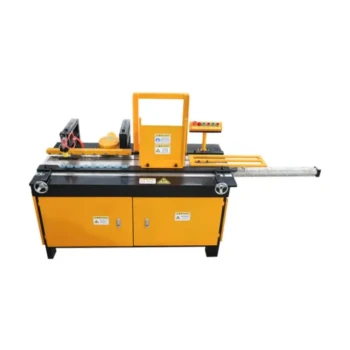
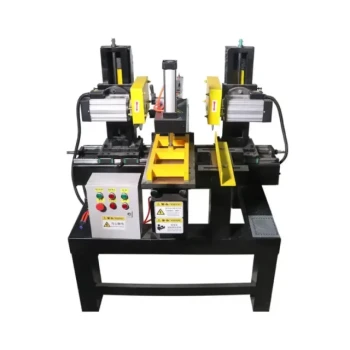
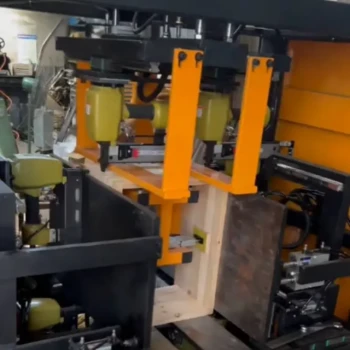
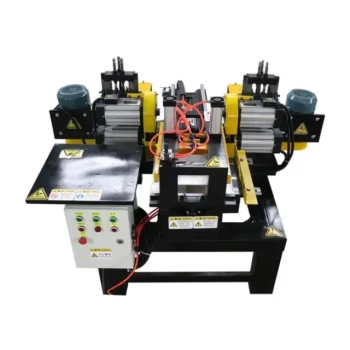
High-precision Hive-making Machines function as the critical technical foundation for standardized large-scale apiaries by ensuring that all hive components strictly adhere to biological bee space requirements. This mechanical precision guarantees that hive bodies, frames, and bottom boards are physically interchangeable, creating a stable environment for bees while enabling the use of unified extraction and maintenance equipment across thousands of colonies.
Standardization through precision machinery is not merely about aesthetic consistency; it is the operational prerequisite for industrial scalability. It eliminates hardware incompatibility, ensures the biological integrity of the hive, and serves as the bridge between fragmented management and intensive, mechanized commercial operations.
The Mechanics of Standardization
Adhering to Biological Bee Space
The primary contribution of these machines is the ability to produce components that respect biological bee space requirements with zero variance.
Unlike manual construction, high-precision machinery ensures that the gap between frames and hive walls is exact. This prevents bees from filling gaps with propolis or burr comb, which typically occurs in poorly fitted hives and hampers management.
Guiding Component Interchangeability
Standardized mechanical processing ensures that every component produced is identical to the next.
This allows for the seamless exchange of frames and combs between different colonies without physical modification. In a large-scale operation, the ability to move a frame from Hive A to Hive B instantly is essential for balancing resources and managing colony population growth.
Ensuring Physical Integrity and Protection
Precision manufacturing guarantees a tight fit for all internal structures.
This tight construction effectively prevents heat loss, which is critical for overwintering and spring development. Furthermore, the elimination of structural gaps blocks the intrusion of external pests, providing a secure and stable physical environment that promotes colony health.
Enabling Operational Scalability
Facilitating Mechanized Processing
Standardization is the "handshake" protocol between the hive and downstream processing equipment.
Because the machines produce frames and bodies to unified specifications (such as ISI standards), the hives are fully compatible with industrial honey extraction lines. This allows for the automation of honey collection, significantly increasing production capacity.
Streamlining Expansion and Maintenance
Automated machinery enables apiaries to expand colony counts rapidly without sacrificing structural quality.
Operators can deploy new hardware knowing it will integrate perfectly with existing stock. This consistency reduces long-term maintenance costs and provides the reliable hardware infrastructure necessary for clustered, intensive beekeeping operations.
Supporting Economic Efficiency
The transition from small-scale traditional beekeeping to specialized industrial operations (managing 150+ colonies) relies on this technology.
By reducing the labor required to fix or adjust ill-fitting components, high-precision machines improve scale-based economic returns. They allow beekeepers to shift focus from hive repair to colony management and yield optimization.
Understanding the Operational Considerations
While high-precision standardization is powerful, it introduces specific dependencies that must be managed.
The Risk of Systemic Error
If the initial specifications of the machine are slightly flawed, that error is replicated across thousands of units. Unlike manual construction where adjustments happen on the fly, a machine error creates a systemic hardware failure that can affect the entire apiary's biological suitability.
Rigidity in Subspecies Management
Standardization must be aligned with the specific needs of the bee subspecies being managed.
A standardized hive designed for one subspecies may not provide the optimal overwintering environment for another. Operators must ensure the machine settings are calibrated to the specific biological requirements of their bee stock before beginning mass production.
Making the Right Choice for Your Goal
- If your primary focus is Rapid Expansion: Prioritize machinery that guarantees 100% interchangeability of frames and bodies to eliminate setup friction for new colonies.
- If your primary focus is Operational Efficiency: Ensure your hive-making machinery produces components compatible with your existing automated honey extraction lines to maximize throughput.
- If your primary focus is Colony Health: Select machinery capable of producing air-tight, precision-sealed joints to minimize thermal loss and pest intrusion during sensitive seasons.
High-precision manufacturing transforms the beehive from a variable craft object into a reliable industrial asset, serving as the absolute bedrock for modern, large-scale apiary success.
Summary Table:
| Feature | Impact on Large-Scale Apiaries | Benefit for Commercial Operations |
|---|---|---|
| Biological Precision | Guarantees exact bee space requirements | Prevents burr comb and simplifies maintenance |
| Interchangeability | Unified specs for frames and hive bodies | Enables rapid resource balancing and scaling |
| Physical Integrity | Air-tight joints and precision-sealed fits | Improves overwintering success and pest control |
| Equipment Compatibility | Seamless fit with automated extraction lines | Maximizes honey production and processing speed |
| Reduced Labor | Eliminates manual hardware adjustments | Shifts focus from repair to colony management |
Elevate Your Apiary's Productivity with HONESTBEE
Standardization is the foundation of a profitable commercial beekeeping operation. At HONESTBEE, we empower commercial apiaries and distributors with the high-precision tools necessary for industrial success. From state-of-the-art hive-making and honey-filling machines to a comprehensive range of wholesale beekeeping tools and consumables, our solutions are designed to ensure your hardware never limits your growth.
Ready to transform your operation into a high-yield industrial powerhouse? Contact us today to discuss how our specialized machinery and wholesale equipment can streamline your expansion and maximize your economic efficiency.
References
- Dereje Tulu, Esayas Mendesil. Improved beekeeping technology in Southwestern Ethiopia: Focus on beekeepers’ perception, adoption rate, and adoption determinants. DOI: 10.1080/23311932.2020.1814070
This article is also based on technical information from HonestBee Knowledge Base .
Related Products
- High-Efficiency Pneumatic Bee Hive Making Machine for Rapid Box Assembly
- Mini Desktop Bee Hive Frame Forming Making Machine
- Beehive Handle and Frame Rest Cutting Machine: Your Specialized Hive Machine
- Beehive Machine Double End Saw for Precision Hive Component Manufacturing
- Automatic High-Speed Bee Hive Box Stapling Machine
People Also Ask
- How does the introduction of professional beehive-making machinery benefit sustainable beekeeping? Scale Your Apiary
- Why is specialized beehive-making machinery critical for low-defense breeding? Enhance Selection with Precision Tools
- How does the introduction of specialized beehive making machinery contribute to increasing the scale of regional beekeeping industries?
- What is the importance of specialized beehive making machinery in a circular bio-economy? Build Local Sustainability
- Why is specialized beehive-making machinery essential? Scale Your Apiary with Precision Industrial Standards