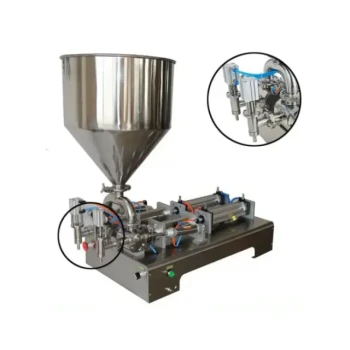
High-precision honey filling and processing machines are the technological backbone of zero-residue regulatory compliance. They achieve this by enforcing strict batch management and traceability protocols throughout the entire production cycle. By providing precise control over blending and filtration, these automated systems isolate specific honey sources to meet Maximum Residue Limit (MRL) standards, effectively ensuring that compliant batches are never compromised by cross-contamination.
Core Takeaway: While the initial purity of honey depends on the apiary, high-precision machinery is the guardian of that purity during processing. Its primary role in zero-residue compliance is to provide the isolation, traceability, and containment necessary to prevent cross-contamination and ensure that final products adhere to strict international MRL standards.
The Mechanics of Compliance
Precise Batch Management
Achieving zero-residue status requires granular control over every liter of honey processed. High-precision equipment facilitates strict batch management, allowing operators to treat different sources as distinct entities.
This segmentation is critical for traceability. If a specific batch is flagged for potential residue issues, the system ensures it can be identified, isolated, and screened out before it blends with compliant honey.
preventing Cross-Contamination
In manual or low-tech operations, the risk of mixing compliant and non-compliant honey is high. Automated processing lines provide precise control over blending and filtration processes.
This ensures that honey from different sources acts independently until verified. The machinery prevents the accidental commingling of batches, ensuring that a "clean" source is not contaminated by residue-heavy honey from a different supplier.
Meeting MRL Standards
International regulations demand adherence to Maximum Residue Limits (MRL). High-precision machinery allows processors to accurately isolate and screen products specifically to meet these metrics.
By integrating testing data with processing controls, manufacturers can segregate honey based on its chemical profile. This guarantees that the final output strictly complies with the zero-residue mandates of sensitive export markets.
Protecting Product Integrity
Eliminating Secondary Contamination
Compliance is not just about chemical residues; it is also about biological purity. Automated filling systems utilize fully enclosed piping and metering systems to minimize contact with the external environment.
This design significantly reduces the risk of secondary microbial contamination caused by human handling or airborne impurities. By removing the human element from direct contact, the machinery ensures the hygienic conditions required for food safety certifications.
Maintaining Biochemical Stability
High-precision machines do more than fill bottles; they preserve the honey's chemistry. Professional sealing and standardized packaging processes prevent moisture absorption and oxidation.
This is vital for maintaining biochemical indicators, such as Hydroxymethylfurfural (HMF) levels, within optimal ranges. Proper sealing ensures the honey remains chemically stable during transoceanic transport, preserving its premium market value.
Understanding the Trade-offs
The "Garbage In, Garbage Out" Reality
It is critical to understand that high-precision machinery preserves quality; it does not create it. If the raw honey input contains chemical residues (such as antibiotics or pesticides) above the MRL, standard filling machinery cannot remove them.
The equipment is designed to prevent added contamination and to segregate existing contamination. It relies heavily on accurate pre-processing testing data to function effectively as a screening tool.
Maintenance Dependencies
The ability of these machines to prevent cross-contamination is entirely dependent on sanitation protocols.
While enclosed piping prevents external contaminants, it also makes visual inspection difficult. If the Clean-In-Place (CIP) systems are not functioning perfectly, the machinery itself can become a source of batch-to-batch carryover, defeating the purpose of the investment.
Making the Right Choice for Your Goal
To leverage these systems for regulatory compliance, align your equipment choice with your specific market targets:
- If your primary focus is International Export (MRLs): Prioritize machinery with advanced software for batch traceability and segregation to ensure strict adherence to residue limits.
- If your primary focus is Organic/Premium Retail: Focus on fully enclosed, automated systems that offer precise metering and sealing to prevent oxidation and secondary contamination.
- If your primary focus is Operational Efficiency: Look for high-speed automated lines that minimize material loss and weight deviations, ensuring you meet trade standards without overfilling.
Ultimately, high-precision machinery transforms compliance from a manual variable into a reliable, automated constant.
Summary Table:
| Compliance Feature | Technical Mechanism | Impact on Honey Quality |
|---|---|---|
| Batch Management | Automated software & segregation | Ensures full traceability and isolation of sources |
| Cross-Contamination Prevention | Enclosed piping & CIP systems | Prevents mixing of clean honey with residue-heavy batches |
| Hygiene Control | Automated metering & sealing | Eliminates secondary microbial & airborne contamination |
| Biochemical Preservation | Oxygen & moisture barriers | Maintains HMF levels and prevents oxidation during transit |
Scale Your Apiary Operations with HONESTBEE Precision
Navigating international zero-residue regulations requires more than just high-quality honey—it requires the technological infrastructure to protect it. At HONESTBEE, we specialize in empowering commercial apiaries and global distributors with the professional machinery needed to meet strict MRL standards.
Our comprehensive portfolio includes:
- Advanced Honey-Filling & Processing Lines: Engineered for precise batch isolation and zero cross-contamination.
- Industrial Machinery: From hive-making equipment to high-speed honey-filling solutions.
- Wholesale Consumables: A full spectrum of beekeeping tools and honey-themed cultural merchandise.
Ready to upgrade your production and secure your export market? Contact HONESTBEE Today for a Professional Consultation
References
- Sofia Croppi, Giovanni Formato. Impact of Legislation on Antibiotic Use and Awareness of Beekeepers. DOI: 10.2478/jas-2021-0022
This article is also based on technical information from HonestBee Knowledge Base .
Related Products
- Precision Durable Efficient HONESTBEE Rotary Honey Filling Machine
- Commercial Rotary Honey Filling Machine for Production
- Precision Automated Packaging Turntable Honey Spoon Filling Sealing Packing Machine
- Fully Automatic Honey Filling Packaging Machine for Processing Line
- Automatic Honey Filling and Filtering Machine for Beekeeping Bottle Filling
People Also Ask
- What are the common types of bottling machines used for honey? Choosing the Right Solution for Your Apiary
- How do high-precision honey filling machines ensure quality? Optimize Your Commercial Production with HONESTBEE
- What quality control role does professional honey filling equipment perform? Ensure Consistency and Product Stability
- How do honey filling and processing machines aid native bee product conservation? Boost Value with HONESTBEE Technology
- How do honey filling machines work? Achieve Precision & Speed for Your Apiary