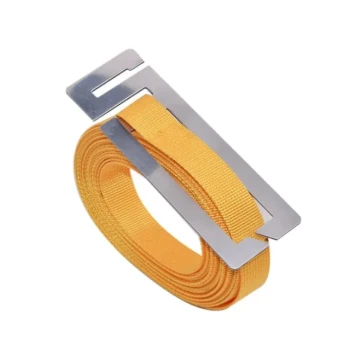
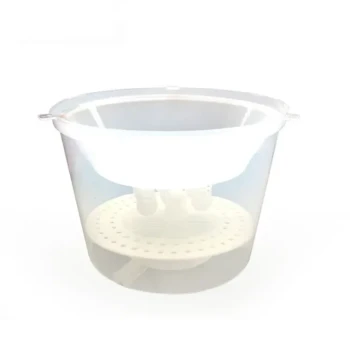
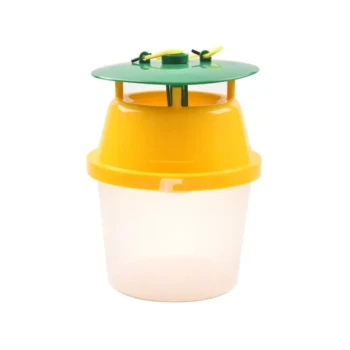
Hive beetle traps operate by exploiting the pest's natural behaviors to physically sequester and eliminate them from the colony. These devices function by mimicking specific environmental conditions—typically dark, confined spaces—that beetles instinctively seek out for safety or breeding. Once inside the secure chamber, often lured by bait or driven by aggressive bees, the beetles are unable to escape and are neutralized through drowning in oil or starvation.
By simulating the dark crevices beetles prefer and leveraging the bees' natural tendency to herd pests, traps provide a mechanical control method that reduces adult beetle density while causing minimal disturbance to the hive's daily operations.
The Mechanics of Capture
Imitating Safe Harborages
The primary function of a hive beetle trap is to create an artificial environment that appears safer to the beetle than the exposed surfaces of the hive.
Beetles naturally avoid light and seek out dark, tight corners. Traps are engineered with secure chambers that replicate these conditions, effectively tricking the beetle into entering a "safe" zone that is actually a prison.
The Role of Attractants
While the physical structure of the trap is inviting, many models utilize specific attractants to ensure beetles enter.
Common lures include pollen, oil, or chemical baits placed inside the reservoir. These substances mimic the scent of hive resources, drawing the beetles away from the honey and brood.
Elimination Methods
Once the beetle enters the trap, the design ensures it cannot exit.
The majority of traps utilize oil (such as vegetable or mineral oil) to coat the beetles, causing them to drown. Other models, particularly smaller disposable units, may rely on the physical design to trap the beetle until it dies from starvation.
Leveraging Colony Dynamics
The "Chasing" Effect
Traps do not always rely solely on the beetle's volition; they work in tandem with the bees' defensive behavior.
Bees naturally harass and chase beetles around the hive. In-hive traps are designed to sit between frames, allowing bees to drive the fleeing beetles directly into the trap openings as the pests scramble for cover.
Strategic Placement
Because beetles tend to cluster in areas where bees cannot easily reach them, trap placement is critical to functionality.
Traps are most effective when positioned between frame top bars or at the hive bottom. These are the areas where beetles are frequently found trying to hide or where they naturally fall when harassed by the colony.
Understanding the Trade-offs
Maintenance is Mandatory
A trap is only effective if it remains clean and functional.
Traps filled with dead beetles or spoiled bait can lose their efficacy or even become a source of hygiene issues within the hive. Regular inspection is required to ensure the oil is fresh and the trap has not become clogged.
Part of a System, Not a Cure-All
While traps are a primary method for reducing adult beetle density, they are rarely sufficient as a standalone solution for a massive infestation.
They function best as part of an integrated pest management strategy. They must be combined with maintaining strong, healthy colonies that can actively defend themselves, as weak colonies are significantly more vulnerable regardless of how many traps are used.
Making the Right Choice for Your Goal
To effectively manage hive beetles, align your trapping strategy with your specific apiary conditions:
- If your primary focus is active infestation control: Utilize oil-based in-hive traps placed between the top bars, as these capitalize on the bees' chasing behavior to rapidly reduce adult beetle numbers.
- If your primary focus is low-maintenance monitoring: Consider disposable traps that rely on starvation or bait, allowing you to gauge beetle presence without the mess of refilling oil reservoirs.
- If your primary focus is long-term prevention: Combine mechanical traps with cultural practices, such as removing excess hive space to reduce stress on the colony and eliminate unguarded areas where beetles breed.
Successful pest management relies not just on the trap itself, but on consistent application and strong colony stewardship.
Summary Table:
| Mechanism | Functionality | Primary Benefit |
|---|---|---|
| Physical Harborages | Mimics dark crevices to lure beetles into secure chambers. | Exploits natural hiding instincts. |
| Oil Reservoirs | Uses vegetable or mineral oil to coat and drown pests. | High-efficiency elimination. |
| Bee Chasing | Bees drive beetles into traps located between frames. | Leverages natural colony defense. |
| Bait/Attractants | Uses pollen or scents to draw beetles away from brood. | Increases trap entry rates. |
| Strategic Placement | Positioned at top bars or hive bottoms. | Targets areas where pests cluster. |
Scale Your Apiary Success with HONESTBEE Professional Solutions
Don't let pests compromise your honey production. HONESTBEE specializes in supporting commercial apiaries and distributors with premium, wholesale beekeeping equipment designed for efficiency and scale.
From advanced hive beetle management tools to specialized hive-making and honey-filling machinery, we provide the full spectrum of industrial-grade hardware and essential consumables. Whether you are looking to streamline your operations or stock high-quality merchandise for your distribution network, our expertise ensures your success.
Ready to upgrade your beekeeping operations? Contact HONESTBEE Today to explore our wholesale catalog and discover how our comprehensive equipment range can drive your business growth.
Related Products
- Removable Washable Hive Beetle Trap Attractants for Small Hive Beetles
- Black Plastic Beetle Barn Hive Beetle Trap for Beehives
- Reusable Clear Small Hive Beetle Traps for Beehives Beetle Trapping Tools
- Reusable Aluminium Beetle Trap for Small Hive Beetles Silver Bullet
- Plastic Beetle Blaster Trap Beekeeping Tools and Supplies
People Also Ask
- How should powdered substances be used in beetle traps for hive beetle control? Expert Guide for Maximum Colony Protection
- What are the three main types of hive beetle traps? Expert Solutions for Protecting Your Bee Colonies
- What are the types of hive beetle traps available? Master Your Beetle Control Strategy
- What are the main types of hive beetle traps available? A Beekeeper's Guide to Effective Control
- What are the available chemical-free options for trapping hive beetles? Safe and Effective Pest Management Solutions