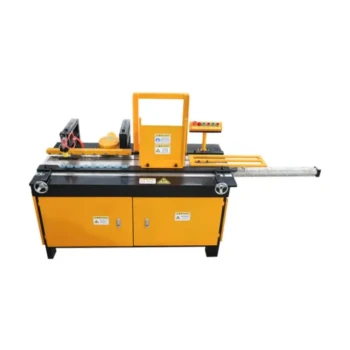
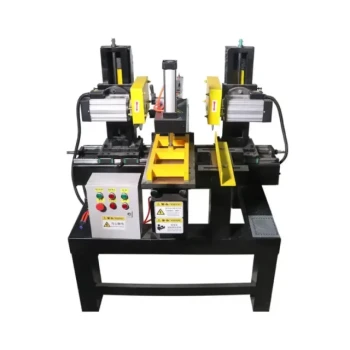
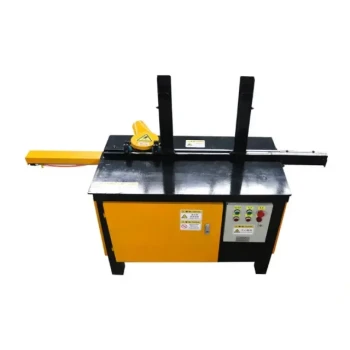
Hive-making machines play a pivotal role in biosecurity by enforcing rigid dimensional standardization across all hive components. By manufacturing frames, partition boards, and hive bodies with high-precision uniformity, these machines eliminate the structural irregularities that often trap debris and pathogens. This exactness ensures that sanitation processes can reach every crevice, effectively neutralizing threats like dormant bacterial spores.
The Core Insight The link between machinery and biosecurity is uniformity. Automated manufacturing produces identical components that allow for industrial-scale sterilization methods—such as high-temperature wax melting or flame scorching—to be applied consistently, ensuring no biological "safe harbors" remain due to construction flaws.
The Mechanics of Hygiene
The primary contribution of hive-making machines to biosecurity is not the speed of production, but the precision of the physical structure.
Eliminating Bacterial Refuges
Hand-built or low-precision hives often contain irregular gaps, rough joinery, and inconsistent spacing. These imperfections act as refuges for bacteria and pests.
Machine-manufactured components are built to standardized dimensions. This strict uniformity removes the structural variances where pathogens typically hide, making the hive an inherently cleaner environment.
Enabling High-Intensity Sterilization
To control diseases, particularly those caused by spore-forming bacteria, beekeepers must employ aggressive sanitation techniques.
Standardized components allow for thorough physical disinfection. Because the parts fit together and disassemble predictably, they can be subjected to high-temperature wax melting or flame sterilization. These processes can penetrate all accessible areas to kill dormant spores, a feat that is difficult to achieve in hives with irregular, tight, or inaccessible crevices.
Preventative Biosecurity through Design
Beyond cleaning, the precision of hive-making machines supports preventative measures that stop disease from taking hold in the first place.
Non-Destructive Inspections
High-precision manufacturing facilitates the use of the Langstroth design, which relies on the precise "bee space" principle.
Machines ensure this space is maintained accurately, allowing for removable internal frames. This enables beekeepers to perform frequent disease and pest inspections without damaging the honeycomb structure or crushing bees.
Early detection through routine, non-destructive monitoring is a critical layer of biosecurity defense.
Enhanced Environmental Sealing
Machine-made hives offer superior structural integrity and sealing compared to rough-hewn alternatives.
Tight, precise construction improves weather resistance and prevents the ingress of external pests or robber bees, which are common vectors for disease transmission. By maintaining a controlled internal microclimate, the colony's natural immune response and overwintering success are supported.
Understanding the Limitations
While machine-made hives offer significant biosecurity advantages, reliance on them introduces specific operational considerations.
Dependency on Calibration
The biosecurity benefit is entirely dependent on the continued precision of the machinery. If the hive-making machine drifts out of calibration, the resulting components will fail to maintain the critical "bee space."
This can lead to cross-comb construction (burr comb), which impedes inspection and creates new hygiene issues.
Integration with Legacy Equipment
Standardization is binary; equipment is either standard or it is not. Introducing machine-made, high-precision components into an operation using older, hand-built, or variable-sized equipment can create gaps.
These misalignments can defeat the purpose of the new equipment, creating new spaces for pests to enter or for debris to accumulate.
Making the Right Choice for Your Goal
When integrating hive-making machinery or machine-made hives into your operation, align your choice with your specific management objectives.
- If your primary focus is Disease Eradication: Prioritize machines that produce components capable of withstanding thermal sterilization (flame or dipping) without warping.
- If your primary focus is Colony Monitoring: Ensure the machinery guarantees strict adherence to "bee space" dimensions to facilitate effortless, frequent frame removal for inspection.
Standardization is not just an efficiency metric; it is the structural foundation of a hygienic, disease-resistant apiary.
Summary Table:
| Feature | Biosecurity Benefit | Impact on Operation |
|---|---|---|
| Dimensional Uniformity | Eliminates bacterial refuges and debris traps. | Easier and more effective sterilization. |
| Precise 'Bee Space' | Facilitates non-destructive Langstroth frame inspections. | Early detection of pests and pathogens. |
| Structural Sealing | Prevents ingress of pests and robber bee vectors. | Improved colony immunity and climate control. |
| Standardized Parts | Supports high-intensity thermal disinfection (flame/wax). | Reliable eradication of dormant bacterial spores. |
Secure Your Apiary’s Future with HONESTBEE
At HONESTBEE, we understand that biosecurity is the backbone of a profitable commercial beekeeping operation. As a premier provider for commercial apiaries and distributors, we offer a comprehensive wholesale range of high-precision beekeeping machinery, including specialized hive-making and honey-filling machines.
Our equipment ensures the strict standardization required to eliminate disease harbors and streamline your sterilization processes. From durable hardware to essential industry consumables and honey-themed cultural merchandise, we provide the tools you need to scale with confidence.
Ready to upgrade your standards? Contact us today to explore how our professional-grade machinery and equipment can fortify your business against biological threats.
References
- Sofia Croppi, Giovanni Formato. Impact of Legislation on Antibiotic Use and Awareness of Beekeepers. DOI: 10.2478/jas-2021-0022
This article is also based on technical information from HonestBee Knowledge Base .
Related Products
- High-Efficiency Pneumatic Bee Hive Making Machine for Rapid Box Assembly
- Mini Desktop Bee Hive Frame Forming Making Machine
- Beehive Handle and Frame Rest Cutting Machine: Your Specialized Hive Machine
- Beehive Machine Double End Saw for Precision Hive Component Manufacturing
- Automatic High-Speed Bee Hive Box Stapling Machine
People Also Ask
- How does the introduction of professional beehive-making machinery benefit sustainable beekeeping? Scale Your Apiary
- Why is specialized beehive-making machinery critical for low-defense breeding? Enhance Selection with Precision Tools
- How does the introduction of specialized beehive making machinery contribute to increasing the scale of regional beekeeping industries?
- What is the importance of specialized beehive making machinery in a circular bio-economy? Build Local Sustainability
- Why is specialized beehive-making machinery essential? Scale Your Apiary with Precision Industrial Standards