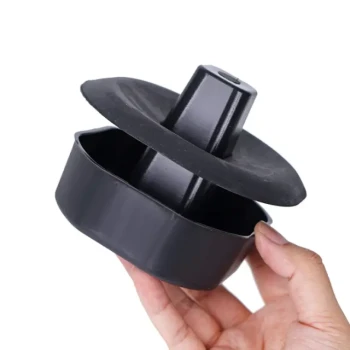
Hive stands and physical barriers act as the first line of defense by physically breaking the path of ground-based predators and restricting entrance access. By elevating the hive and utilizing smooth or coated surfaces, these tools mechanically prevent pests like ants and honey badgers from reaching the colony, while specialized apertures limit intruder entry at the hive gate.
Physical infrastructure does more than just support the hive; it stabilizes the colony by significantly reducing predatory stress. By mechanically blocking access points, you decrease the likelihood of the colony migrating (absconding) due to constant environmental disturbance.
The Defensive Function of Hive Stands
Blocking Ground-Based Threats
The primary function of a hive stand is to interrupt the physical path of predators. Ground-based pests rely on continuous surfaces to reach the hive.
By elevating the colony and utilizing smooth surfaces or specialized coatings on the legs of the stand, you create a surface that is physically difficult or impossible for insects and small mammals to climb.
Specific Pests Targeted
This method is particularly effective against threats that cannot fly into the hive.
According to standard management practices, stands effectively block the paths of ants, honey badgers, and small hive beetles. Without a stand, these pests have direct, unrestricted access to the colony's resources.
Stabilizing the Colony
The impact of these barriers extends beyond simple pest exclusion. Continuous harassment by predators creates significant stress for a bee colony.
By utilizing stands to reduce this external pressure, you significantly decrease the likelihood of colony migration. A secure colony is less likely to abandon the hive in search of a safer location.
Specialized Entrance Barriers
Restricting Entry Points
While stands protect the exterior, the hive entrance requires its own physical barriers. Specialized structures, such as funnel-shaped tubes or specific apertures, are used to control access.
These physical restrictions make it difficult for larger intruders or robbers to breach the hive, acting as a "choke point" that is easier for the colony's guard bees to defend.
The Role of Propolis
For species like Heterotrigona itama, these physical barriers are often enhanced with propolis. This material simulates natural entrance shapes to help the colony adapt to artificial hives.
Beyond physical structure, propolis offers a biological protective barrier due to its antimicrobial properties, further securing the colony against microscopic threats.
Understanding the Limitations
Stands Do Not Stop Flying Pests
It is critical to note that hive stands are a solution for ground-based threats only. They do not provide protection against aerial predators such as wasps, wax moths, or robber bees from other colonies.
Material Maintenance
The "smooth surfaces" and "specialized coatings" mentioned require maintenance. If these surfaces become rough, dirty, or bridged by tall grass, their effectiveness as a barrier is instantly compromised.
Making the Right Choice for Your Goal
To maximize colony health, you must match the physical barrier to the specific threat profile of your apiary.
- If your primary focus is preventing colony migration: Prioritize hive stands with smooth or coated legs to eliminate the stress caused by relentless ground predators like ants and honey badgers.
- If your primary focus is hygiene and microclimate control: Implement specialized entrance structures using propolis, which provide antimicrobial protection while physically limiting intruder size.
Effective pest control requires a multi-layered approach, starting from the ground up.
Summary Table:
| Defense Mechanism | Target Pests | Primary Benefit |
|---|---|---|
| Elevated Hive Stands | Ants, Honey Badgers, Crawling Insects | Breaks physical path; reduces colony migration (absconding) |
| Smooth/Coated Legs | Climbing Insects, Small Mammals | Creates a frictionless surface to prevent hive access |
| Entrance Apertures | Robber Bees, Large Intruders | Creates a 'choke point' for easier defense by guard bees |
| Propolis Coatings | Microscopic Pathogens, Small Pests | Provides biological antimicrobial protection and natural sealing |
Maximize Your Colony Yield with Professional-Grade Protection
At HONESTBEE, we understand that commercial success in beekeeping starts with a robust defense. We offer a comprehensive wholesale selection of specialized beekeeping tools, hive-making machinery, and essential consumables designed for the demands of high-volume apiaries and distributors.
Whether you need precision-engineered hive components to prevent pest infiltration or honey-filling equipment to streamline your production, our portfolio provides the scale and quality you require. Contact us today to enhance your apiary's efficiency and secure your investment.
References
- Taye Beyene, Mekonen Woldatsadik. Investigating the Causes of Honeybee Colony Mobility in Central Rift Valley of Oromia, Ethiopia. DOI: 10.7176/fsqm/108-01
This article is also based on technical information from HonestBee Knowledge Base .
Related Products
- Metal Hive Feet Bee Hive Stand for Ant Protection
- Plastic Bee Hive Stand for Beekeeping
- Metal Bee Hive Stand Bee Box Stand for Beekeeping
- Professional Ant-Proof Beehive Stand with Integrated Moat for Beekeeping
- Plastic Bee Frame Beekeeping Hive Frames for Wholesale
People Also Ask
- What are the benefits of elevating a bee hive with a stand or base? Protect Your Colony and Your Back
- How does a beehive stand protect against predators and pests? Essential Strategies for Colony Security
- How should the height of a beehive stand be determined? Find Your Ergonomic Sweet Spot
- What to stand a beehive on? The Best Foundation for a Healthy, Manageable Apiary
- How do beehive stands and ground installation methods affect beekeeping productivity in extreme climates? Maximize Yields