Specialized stands are a fundamental infrastructure requirement for maintaining a healthy and sustainable stingless bee apiary. Their primary purpose is to physically isolate the hive from ground-level environmental hazards, specifically soil moisture and terrestrial pests, while simultaneously establishing a structured layout that aids colony management.
Core Insight Specialized stands act as a critical defense system, elevating hives to prevent structural decay and invasion by lethal pests like ants. Beyond protection, they enforce necessary spatial organization within the apiary, optimizing both colony health and the efficiency of the beekeeper’s workflow.
The Critical Role of Physical Isolation
Protection Against Moisture and Decay
Direct contact with the soil is detrimental to hive longevity. Soil moisture leads to rapid erosion and corrosion of wooden hive structures.
Elevating the hive on a specialized stand breaks this contact, preserving the integrity of the hive box. This isolation ensures the colony remains dry and structurally sound.
Defense Against Ground-Dwelling Predators
Ants and other terrestrial predators pose a significant threat to stingless bee colonies. A hive placed directly on the ground is easily accessible and difficult to defend.
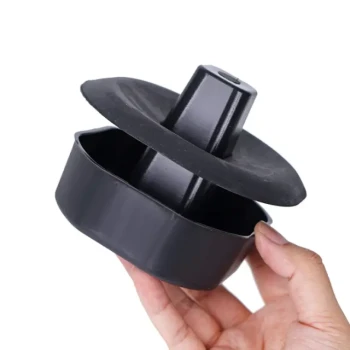
Stands act as a bottleneck, reducing the entry points to the support pillars alone. This allows beekeepers to apply physical or chemical barriers—such as grease or waste oil—to the pillars, effectively blocking pests from reaching the colony.
Optimizing Apiary Operations
Ensuring Safe Colony Distances
Stingless bees require specific spatial planning to minimize interference between colonies. Placing hives haphazardly on the ground can lead to drifting bees or territorial aggression.
Specialized stands enforce a fixed layout, ensuring adequate safety distances are maintained. This structured approach facilitates optimized spatial utilization essential for high-density apiaries.
Improving Ergonomics and Inspection
Routine maintenance, such as pest control and honey harvesting, requires frequent access to the hive.
Stands elevate hives to an ergonomic height, typically between 0.5 to 1 meter. This reduces physical strain on the beekeeper and improves the speed and precision of inspections.
Understanding the Trade-offs
Maintenance of the Infrastructure
While stands protect the hive, the stands themselves require maintenance.
The application of pest barriers (like grease) on stand pillars is not a one-time task; it requires regular replenishment to remain effective against ants. Neglecting the stand compromises the safety of the hive it supports.
Stability and Exposure
Elevating a hive alters its center of gravity and exposure to the elements.
Poorly constructed stands may be unstable, posing a risk of tipping during high winds or animal bumps. Additionally, elevation can expose the hive to slightly different thermal conditions compared to the ground, requiring careful hive insulation.
Making the Right Choice for Your Goal
To maximize the success of your apiary, apply these principles based on your specific operational focus:
- If your primary focus is Colony Survival: Prioritize stand designs that feature dedicated chemical barriers or oil traps on the legs to guarantee exclusion of ants and predators.
- If your primary focus is Operational Efficiency: Ensure your stands are built at a standardized height (approx. 1 meter) to streamline harvesting and reduce fatigue during routine inspections.
Ultimately, a specialized stand is not just a support structure; it is the first line of defense that secures the biological and structural investment of your apiary.
Summary Table:
| Feature | Benefit | Importance |
|---|---|---|
| Physical Elevation | Prevents wood rot and moisture damage | High (Extends hive lifespan) |
| Pest Barrier | Blocks ants and terrestrial predators via leg traps | Critical (Colony survival) |
| Standardized Height | Improves ergonomics for harvesting and inspections | High (Operational efficiency) |
| Structured Layout | Maintains safe distances to prevent colony drifting | Medium (Apiary management) |
| Stabilization | Secures the hive against wind and tipping | Medium (Safety) |
Elevate Your Apiary Performance with HONESTBEE
For commercial apiaries and distributors, the right infrastructure is the foundation of a thriving honey business. HONESTBEE provides the full spectrum of professional beekeeping tools, machinery, and consumables tailored for the global market.
Whether you need specialized hive-making equipment, honey-filling machines, or high-quality hardware to protect your stingless bee colonies, we deliver the precision and scale your operation demands. Partner with us to streamline your production and secure your biological investments.
Ready to scale your commercial apiary?
Contact HONESTBEE Today for Wholesale Solutions
References
- Letícia Manuele dos Santos Sarmento, Fabrízia Sayuri Otani. Contribuição das abelhas e meliponicultura para o município de Santarém – PA. DOI: 10.30612/realizacao.v11i22.18949
This article is also based on technical information from HonestBee Knowledge Base .
Related Products
- Professional Ant-Proof Beehive Stand with Integrated Moat for Beekeeping
- Metal Hive Feet Bee Hive Stand for Ant Protection
- Metal Bee Hive Stand Bee Box Stand for Beekeeping
- Heavy-Duty Nylon Beehive Hive Strap with Stainless Steel Cinch Buckle
- Plastic Bee Hive Stand for Beekeeping
People Also Ask
- What physical protection advantages do individual hive stands provide against Small Hive Beetles? Secure Your Apiary
- Why are specialized ant-proof stands necessary for Africanized honeybee apiaries? Prevent Absconding in Semi-Arid Regions
- Why are specialized beehive stands or protective barriers necessary for pest management in apiaries? Secure Your Colony
- What are the benefits of elevating a bee hive with a stand or base? Protect Your Colony and Your Back
- What to stand a beehive on? The Best Foundation for a Healthy, Manageable Apiary