Honey bees maintain hive cleanliness through coordinated hygienic behaviors, not true sterility. Worker bees remove dead adults and diseased brood, groom one another to dislodge parasites, scrape contaminated material, and use propolis to seal cracks or encase invaders that cannot be removed. Hive sanitation tools support these defenses by making debris removal, inspection, component cleaning, and disease-control procedures faster and more consistent.
The central principle is partnership: bees reduce contamination through natural hygiene, while beekeepers use well-designed equipment and disciplined sanitation to remove what remains and limit disease transmission between colonies.
How Honey Bees Naturally Maintain Hive Cleanliness
Undertaking Removes Contaminated Material
Worker bees identify and remove dead bees, damaged brood, and other organic waste from the colony. They carry removable material away from the hive, reducing the opportunity for pathogens and pests to spread inside the nest.
This behavior is especially important in brood areas, where infected larvae or pupae can become sources of further contamination if they remain in the comb.
Hygienic Behavior Limits Diseased Brood
Bees may uncap and remove brood affected by disease or parasites. In some cases, they consume infected brood, which helps eliminate contaminated material before the condition spreads through adjacent cells.
The effectiveness of this response varies by colony genetics, environmental conditions, and the type of pathogen involved. It is a valuable defense, but it does not replace inspection or disease-management protocols.
Grooming Dislodges Parasites
Honey bees use auto-grooming to clean their own bodies and social grooming to remove parasites from nestmates. These actions can dislodge pests such as Varroa mites and reduce parasite pressure within the colony.
Screened bottom boards and mite traps can improve the value of this behavior by allowing dislodged parasites to fall away from the bees, reducing the chance of re-infestation.
Propolis Provides Chemical and Physical Protection
Bees collect plant resins and process them into propolis, a sticky material with antimicrobial properties. They use it to coat internal surfaces, seal small gaps, and reinforce areas of the hive.
When a large invader, such as a mouse, cannot be removed, bees may cover it with propolis. This prevents the carcass from decomposing openly inside the hive and limits its ability to become a source of contamination.
How Sanitation Tools Support Disease Prevention
Hive Scrapers Remove Debris and Buildup
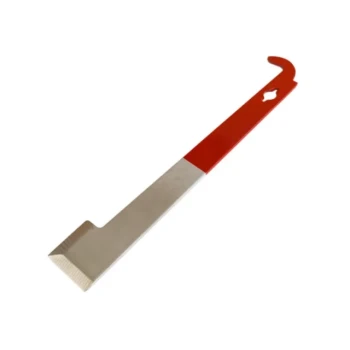
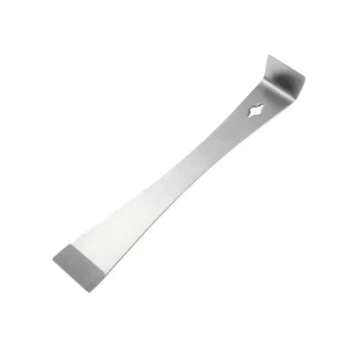
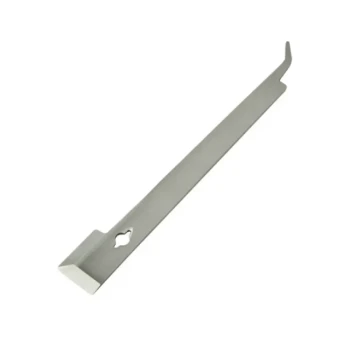
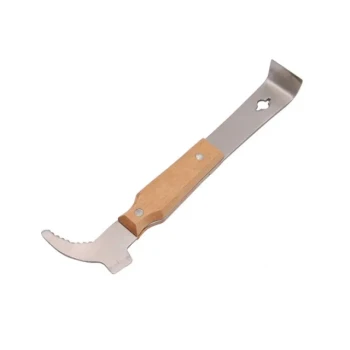
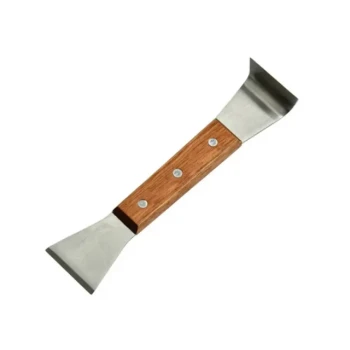
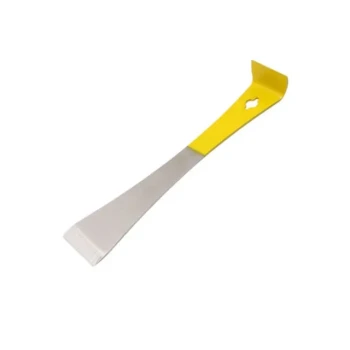
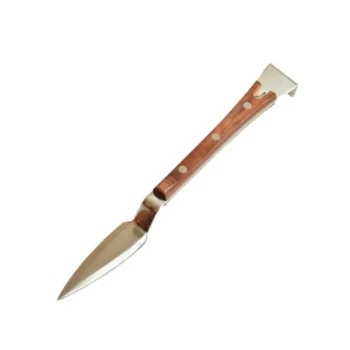
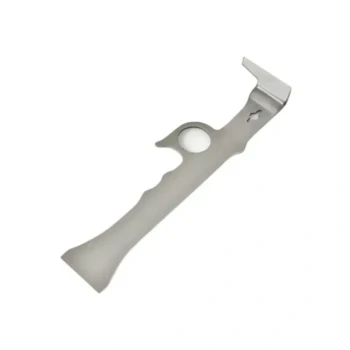
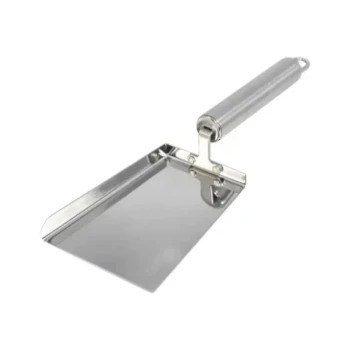
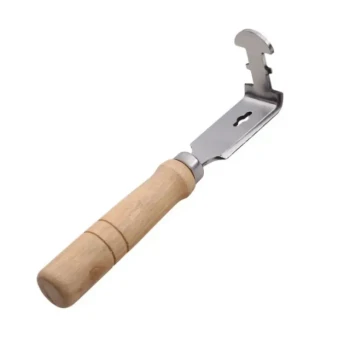
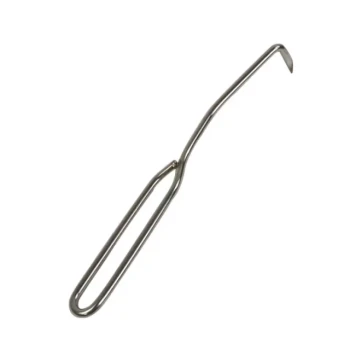
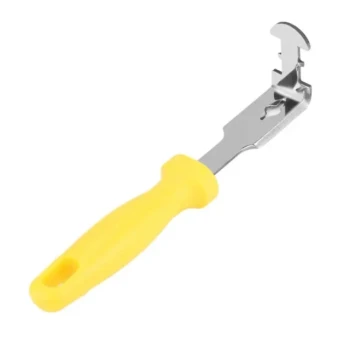
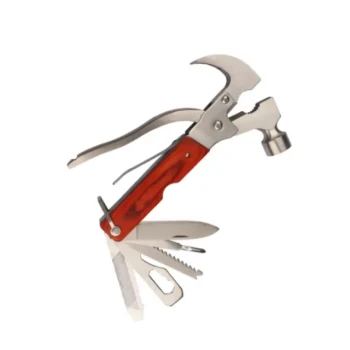
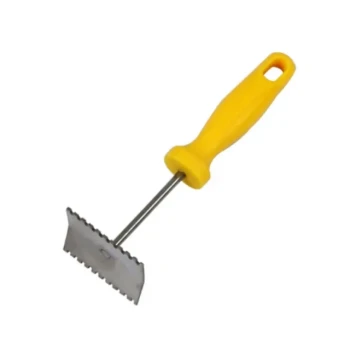
A hive tool or specialized scraper helps remove excess wax, propolis, dead bees, and debris from frames, ledges, bottom boards, and hive joints. Keeping these areas clear improves visibility during inspections and reduces places where pests or contaminated material can accumulate.
High-strength steel tools also provide the leverage needed to separate frames and hive components sealed together with propolis. This allows beekeepers to inspect the colony without forcing or damaging the equipment.
Removable Bottom Trays Simplify Cleaning
Removable bottom trays make it easier to collect and discard debris from beneath the brood chamber. They can also support monitoring by showing fallen mites, wax particles, and other indicators of colony condition.
For commercial operators, this design reduces the labor required for routine maintenance and makes sanitation more repeatable across multiple hives.
Screened Bottom Boards Support Integrated Pest Management
Screened bottoms allow mites and other dislodged particles to fall below the main bee area. When used with a suitable tray or mite-monitoring system, they help beekeepers assess parasite levels and reduce opportunities for pests to return to the colony.
These components are most effective as part of an integrated pest-management program that may include monitoring, colony assessment, and approved treatments when necessary.
Standardized Hive Components Improve Inspection
Precision-made hive bodies, frames, and other components provide consistent dimensions across an apiary. Properly fitted equipment helps maintain an appropriate balance of ventilation, insulation, and structural integrity.
Standardization also makes inspections more efficient. Frames can be exchanged or examined consistently, and sanitation procedures can be applied across colonies without adapting to irregular or poorly fitted parts.
Hive Tools Reduce Unnecessary Disturbance
Stuck frames and excessive propolis can make inspections slow and disruptive. A properly designed hive tool allows the beekeeper to move components with controlled force, reducing accidental crushing of bees or damage to comb.
Less physical disruption supports calmer colony management and gives the beekeeper better access to brood, food stores, queen cells, and potential disease symptoms.
Why Disinfection Matters Across an Apiary
Tools Can Transmit Contamination
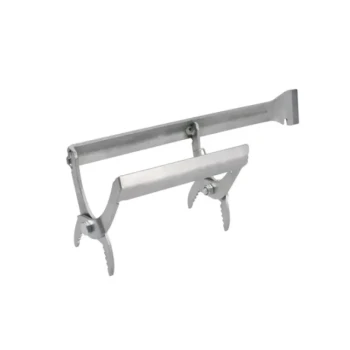
A hive tool, smoker, frame grip, or other piece of equipment may contact wax, propolis, brood material, or bodily fluids from multiple colonies. Without appropriate cleaning and disinfection, equipment can become a mechanical route for transferring pathogens.
This risk is particularly important for commercial apiaries, where one tool may be used repeatedly across many colonies or locations.
Cleaning and Disinfection Serve Different Purposes
Cleaning removes visible wax, propolis, soil, and organic matter. Disinfection is a separate step intended to reduce or destroy infectious organisms on a cleaned surface.
Disinfection is less reliable when organic debris remains on the tool or hive component. Beekeepers should therefore follow disease-specific, equipment-compatible procedures and the relevant local regulations.
Routine Comb and Equipment Management Reduces Risk
Regular inspection and replacement of heavily aged or contaminated brood comb can help reduce accumulated residues and pathogen pressure. Hive bodies, frames, bottom boards, and tools should be assessed according to their material, condition, and exposure history.
A consistent maintenance schedule is more reliable than cleaning only after visible disease appears.
Understanding the Trade-offs
Natural Hygiene Is Powerful but Variable
Some colonies display stronger hygienic behavior than others. Weather, nutrition, colony strength, genetics, parasite levels, and pathogen type can all affect how effectively bees remove contaminated material.
Beekeepers should treat natural hygiene as a major biological asset, not as a guarantee that disease will remain controlled.
Excessive Scraping Can Create Problems
Removing all propolis indiscriminately may eliminate material that bees use to seal gaps and protect internal surfaces. Scraping should focus on excess buildup that obstructs inspection, frame movement, ventilation, or equipment maintenance.
The objective is functional cleanliness, not the complete removal of every trace of propolis.
Equipment Design Involves Compromises
Screened bottoms can assist parasite monitoring and removal, but ventilation, temperature management, local climate, and hive configuration must also be considered. A component that works well in one operating environment may require adjustment in another.
Similarly, smooth, standardized components can improve maintenance while still needing sufficient structural durability for repeated commercial use.
Sanitation Does Not Replace Colony Assessment
A clean hive tool cannot compensate for missed symptoms, poor apiary biosecurity, or delayed intervention. Equipment hygiene works best alongside regular inspections, monitoring records, responsible colony movement, and appropriate disease-control measures.
Distributors and resellers should therefore present sanitation tools as part of a complete hive-management system rather than as standalone disease cures.
Selecting Equipment for Commercial Apiaries
Prioritize Durability and Ergonomics
Frequent inspections place significant demands on hive tools and scrapers. Durable materials, practical leverage, comfortable handling, and surfaces that are easy to clean are important for reducing operator fatigue and maintaining consistent work quality.
For wholesalers and resellers, product durability also affects replacement frequency, customer satisfaction, and total operating cost.
Match Tools to the Maintenance Workflow
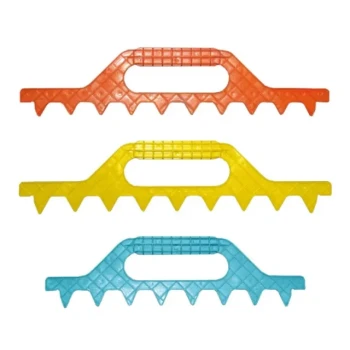
A complete sanitation offering may include hive tools, scrapers, removable trays, screened bottom boards, mite-monitoring components, frame-handling tools, and replacement hive hardware. The right combination depends on colony scale, hive design, climate, and inspection frequency.
One-stop sourcing can simplify procurement by aligning components that are designed to work together.
Evaluate Supply Reliability
Commercial beekeepers need equipment when seasonal inspections, migration, honey-flow preparation, or disease-control work requires it. Reliable inventory, rapid response, technical product knowledge, and efficient order fulfillment are therefore operational advantages, not merely purchasing conveniences.
Suppliers with a broad product portfolio can help customers standardize equipment across multiple apiaries and reduce delays caused by fragmented sourcing.
How to Apply This to Your Apiary or Product Portfolio
The most effective approach combines the colony's natural defenses with equipment and routines that make hygiene practical at scale.
- If your primary focus is colony health: Support hygienic behavior with regular inspections, cleanable hive components, screened bottom systems where appropriate, and prompt removal of debris or diseased material.
- If your primary focus is apiary biosecurity: Establish consistent cleaning and disinfection procedures for hive tools, hive bodies, frames, and other equipment moving between colonies.
- If your primary focus is operational efficiency: Select durable hive tools, removable trays, and standardized components that reduce maintenance time and simplify repeated inspections.
- If your primary focus is wholesale or distribution growth: Build a full-spectrum sanitation portfolio backed by dependable stock, technical guidance, responsive service, and fast order fulfillment.
- If your primary focus is sustainable hive management: Preserve useful propolis while removing buildup that obstructs inspection, damages equipment access, or allows debris to accumulate.
Healthy apiaries are maintained by combining bee behavior, sound hive design, disciplined sanitation, and reliable access to the right equipment.
Summary Table:
| Aspect | Natural Bee Hygiene | Sanitation Tools |
|---|---|---|
| Debris Removal | Undertaking: remove dead adults & brood | Hive scrapers clear wax, propolis, debris |
| Brood Disease | Hygienic behavior: uncap & remove infected brood | Inspection & cleaning tools support monitoring |
| Parasite Control | Grooming dislodges mites | Screened bottom boards & mite trays enhance removal |
| Surface Protection | Propolis seals gaps & has antimicrobial properties | Scraping focuses on excess buildup; cleaning & disinfection reduce pathogen load |
| Efficiency | Time-intensive, variable across colonies | Standardized components & ergonomic tools speed inspections |
Enhance your apiary's health with HONESTBEE's comprehensive line of hive sanitation tools—from scrapers and screened bottom boards to standardized hive components. Our wholesale solutions for commercial apiaries and distributors ensure durable, efficient equipment backed by rapid delivery and dedicated support. Contact us today to optimize your hive management and disease prevention strategy. Get in touch and discover how we can boost your operational efficiency and profitability.
Related Products
- Professional Stainless Steel J-Hook Hive Tool
- Professional Stainless Steel Pry-Bar Hive Tool
- Stainless Steel J Hook Hive Tool for Beekeeping
- HONESTBEE Professional Multi-Functional Hive Tool with Ergonomic Wood Handle
- Professional Dual-End Stainless Steel Hive Tool for Beekeeping
People Also Ask
- What are the primary functions of a stainless steel hive tool? Essential Tips for Efficient Apiary Maintenance
- What are the primary functions of a stainless steel hive tool? Essential Equipment for Professional Beekeeping
- Which technical challenges in hive maintenance are addressed by using a professional stainless steel hive tool?
- What is the function of a professional stainless steel hive tool in IFB? Optimize Your Colony Strength Assessment
- What is a J-hook hive tool and why is it favored by some beekeepers? Master Gentle Frame Handling