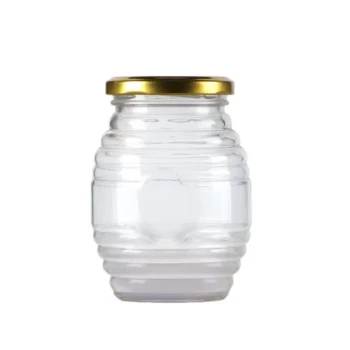
The primary difference lies in measuring mass versus volume. While general-purpose jars are often categorized by fluid ounces (volume), containers manufactured specifically for the beekeeping industry, such as honey bears, are categorized by the weight of the honey they hold. Because honey is denser than water, a container designed to hold 8 ounces of honey by weight will typically have a volume of only about 6 fluid ounces.
Honey is significantly denser than water, meaning its weight in ounces is higher than its volume in fluid ounces. Therefore, industry-standard honey packaging is sized according to net weight capacity, not the liquid volume the jar could theoretically hold.
The Science of Density and Capacity
Understanding the Discrepancy
The confusion stems from the word "ounce," which is used to measure both volume (fluid ounces) and weight (mass).
Water has a 1-to-1 ratio: 8 fluid ounces of water weighs exactly 8 ounces. Honey, however, is much heavier and denser than water.
The Volume-to-Weight Ratio
Because of this density, honey occupies less space than water for the same amount of weight.
Consequently, a specific weight of honey will fit into a smaller vessel than the same weight of water.
Industry Labeling Standards
General Consumer Jars
Standard canning jars or glass containers found in general retail are usually advertised in fluid ounces.
If you purchase a generic "8 oz jar" from a general supplier, it usually refers to 8 fluid ounces of capacity.
Specialized Beekeeping Containers
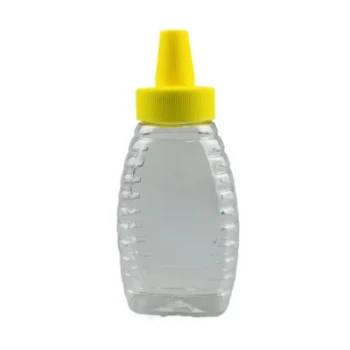
In contrast, the beekeeping industry utilizes a weight-based standard for containers like the iconic "honey bear."
A jar labeled as an "8 oz Honey Bear" is designed to hold 8 ounces of honey by weight.
The Conversion Example
To visualize this, look at the capacity of the standard 8 oz honey bear.
While it holds 8 ounces of product by weight, its actual liquid capacity is approximately 6 fluid ounces.
Common Pitfalls in Packaging Selection
Misjudging "Headspace"
If a distributor selects a generic jar rated for 8 fluid ounces (volume) intending to sell 8 ounces of honey by weight, there will be significant empty space left at the top of the jar.
This excess "headspace" can make the product appear underfilled to the consumer, even if the weight is accurate.
Labeling Accuracy Risks
It is critical for distributors to verify whether a supplier is quoting size based on water weight (volume) or honey weight.
Failing to distinguish between these two metrics can lead to incorrect labeling, potential regulatory issues, or customer dissatisfaction regarding quantity.
Making the Right Choice for Your Goal
When sourcing containers, clarity on the "ounce" definition is vital for professional presentation and accurate sales.
- If your primary focus is buying industry-specific packaging (e.g., bears): Trust that the advertised size refers to the net weight of the honey, knowing the physical jar will look smaller than a water jar of the same "ounce" rating.
- If your primary focus is using generic glass or canning jars: Expect the rating to be in fluid ounces and calculate that you can fit roughly 50% more honey weight than the fluid rating implies.
By aligning your container selection with the specific density of your product, you ensure your packaging meets both regulatory standards and consumer expectations.
Summary Table:
| Metric Type | Water (Standard Volume) | Honey (Density Adjusted) | Impact on Packaging |
|---|---|---|---|
| Measurement Basis | Volume (Fluid Ounces) | Net Weight (Mass Ounces) | Honey is ~50% denser than water |
| 8 oz Container | Holds 8 fl. oz. liquid | Holds 8 oz. by weight | Honey weight > Water weight |
| Actual Volume | 8 Fluid Ounces | ~6 Fluid Ounces | Smaller vessel required for honey weight |
| Common Use | Generic Canning Jars | Specialized Honey Bears | Industry-specific vs. General Purpose |
Scale Your Honey Business with HONESTBEE Professional Packaging Solutions
Choosing the right container is vital for maintaining brand integrity and meeting regulatory standards. HONESTBEE specializes in supporting commercial apiaries and distributors with high-quality, industry-standard honey packaging that eliminates labeling confusion.
Beyond specialized jars and honey bears, we provide a full spectrum of beekeeping tools, from hive-making machinery to honey-filling equipment and cultural merchandise. Let our expertise help you optimize your wholesale operations and ensure your product presentation is as premium as the honey inside.
Ready to upgrade your equipment or stock up on essential consumables?
Related Products
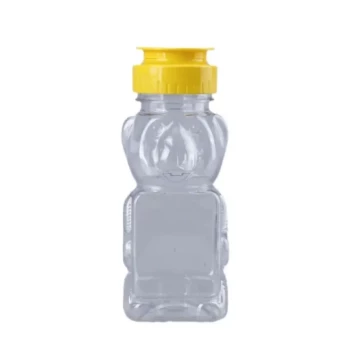
- Classic Honey Bear Jars with Flip Top Dispensing Cap for Liquid Sweeteners
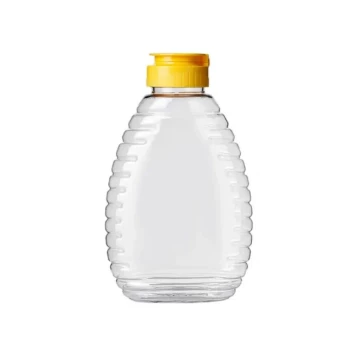
- Squeezable No-Drip Beehive-Shaped Honey Jars with Flip-Top Cap
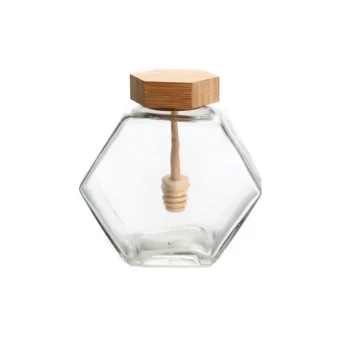
- Hexagonal Glass Honey Jar with Wooden Lid Integrated Dipper Elegant Functional Storage
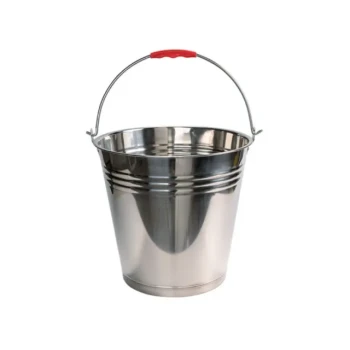
- Premium Stainless Steel Honey Tank Bucket Pail with Reinforced Handle and Polished Finish
- Hexagonal Glass Honey Jars with Metal Lug Caps Elegant Versatile Packaging
People Also Ask
- What food safety standards must honey containers meet? Expert Guide to Packaging Integrity & Hygiene
- Why is it important to distinguish between weight and volume when selecting honey containers? Maximize Profits Now
- What are the benefits of purchasing honey containers in bulk? Maximize Margins & Secure Your Supply Chain
- What should be considered when choosing a container for honey to ensure effective sealing? Master Honey Packaging Success
- What is the best container to store honey in? Preserve Purity & Flavor for Years