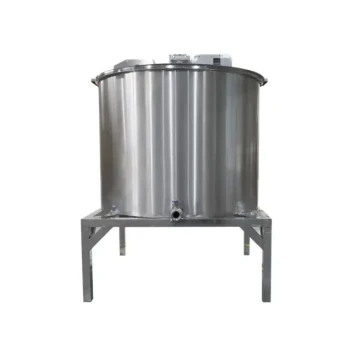
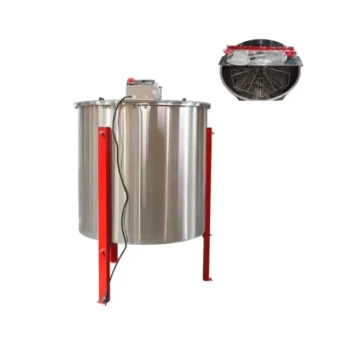
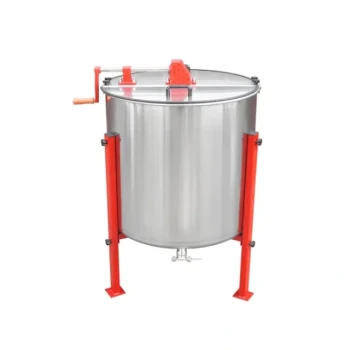
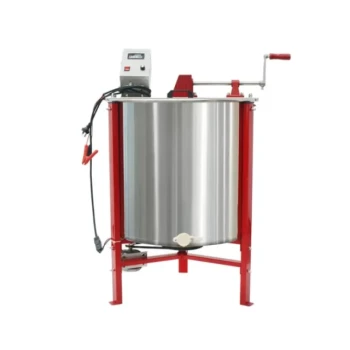
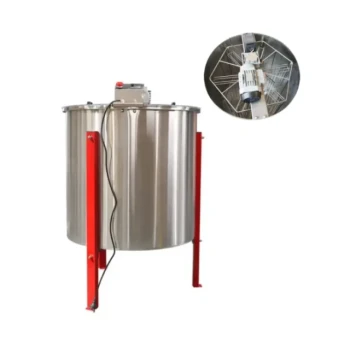
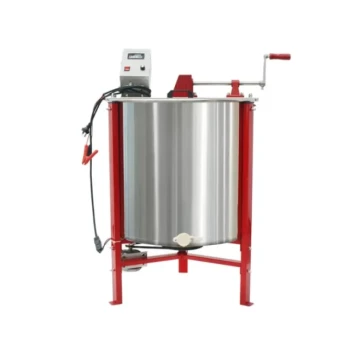
Industrial-grade honey extractors and separators preserve quality by utilizing precise mechanical force to isolate honey from wax while minimizing environmental exposure. By replacing manual squeezing with centrifugal force or physical pressure, these systems ensure a more thorough separation that protects the honey’s natural flavor, nutritional profile, and physical clarity. This technological approach is essential for meeting the stringent purity standards required by the international high-end market.
Industrial-grade processing transforms honey from a raw agricultural product into a high-value commodity by safeguarding its biological activity and sensory traits through controlled, efficient extraction. This specialized equipment is the foundation of a professional supply chain that prioritizes product stability and market competitiveness.
Minimizing Environmental Degradation
Reducing Oxidation and Air Exposure
Industrial extractors are designed to significantly decrease the time honey spends in contact with the air. Minimized air exposure prevents excessive oxidation, which can dull the natural aroma and degrade the delicate flavor profiles that premium buyers demand.
Eliminating External Contaminants
Traditional manual extraction often introduces dust, hair, or environmental impurities into the batch. Industrial systems provide a closed or semi-closed environment, ensuring the honey remains hygienic and free from physical contaminants throughout the separation process.
Preventing Secondary Contamination
In specific varieties like stingless bee honey, industrial extractors prevent the honey from passing through colony waste areas. By using precise physical methods instead of manual squeezing, the equipment eliminates the risk of cross-contamination, preserving the honey’s high medicinal value and hygiene.
Precision Control of Physical Properties
Thermal Management and Crystallization
Modern processing units employ precisely controlled heating profiles to manage the honey’s physical state. This prevents unintended crystallization and ensures liquid transparency without reaching temperatures that would compromise the honey’s natural bioactivity or aroma.
Multi-Stage Filtration and Clarity
Industrial separators utilize multi-stage precision filtration to remove wax debris and air bubbles. This process creates a uniform texture and exceptional sensory clarity, ensuring the product meets international standards such as PN-88/A-77626 for market access.
Moisture Control and Stability
Industrial-grade machinery often includes dehydration capabilities to manage moisture content in both mature and immature honey. By reducing moisture levels, the equipment enhances the chemical stability and shelf-life of the product, preventing fermentation during long-distance shipping and storage.
Maximizing Market Value through Efficiency
High-Speed Processing and Bioactivity
Rapid extraction allows producers to move honey from the comb to the bottle in record time. This ultra-fast processing is critical for "locking in" nutritional components and biological enzymes that would otherwise degrade under slower, less efficient manual methods.
Uniformity for Bulk Distribution
For wholesalers, consistency is as important as quality. Industrial separators ensure that every drum of honey maintains a consistent density and purity level, making it easier for distributors to fulfill large-scale orders without variances in product quality.
Understanding the Trade-offs
The Risk of Over-Extraction
High centrifugal forces, if not properly calibrated, can lead to over-extraction. This may pull excessive pollen or foreign matter from the comb into the honey, potentially altering the natural proportions of fructose and glucose and affecting the chemical purity.
Thermal Sensitivity
While controlled heat is beneficial for filtration, improper temperature settings can permanently damage the honey’s enzymes. Distributors must ensure that their sourced equipment includes fail-safes and precision sensors to prevent overheating.
Maintenance and Expertise Requirements
Industrial-grade machinery requires a higher level of professional expertise to operate and maintain. Substandard maintenance can lead to mechanical wear that might introduce metal particulates or lubricants into the honey stream, negating the benefits of the technology.
Applying Technology to Your Distribution Strategy
To provide the best value to your clients, your sourcing strategy should focus on equipment that balances speed with delicate handling of the raw product.
- If your primary focus is high-end medicinal honey: Prioritize extractors that feature closed-loop systems and no-contact filling to maximize hygiene and preserve bioactivity.
- If your primary focus is high-volume wholesale: Seek out multi-stage filtration systems and extractors with automated comb-sorting to ensure consistent clarity and moisture levels across bulk orders.
- If your primary focus is rapid order fulfillment: Invest in high-capacity centrifugal extractors that offer quick-clean features to minimize downtime between different honey floral sources.
By integrating professional-grade extraction technology into your portfolio, you ensure a final product that meets the rigorous demands of the global health and food markets.
Summary Table:
| Preservation Factor | Industrial Mechanism | Benefit for Wholesalers |
|---|---|---|
| Oxidation Control | Closed/Semi-closed systems | Maintains natural aroma and delicate flavor profiles. |
| Contamination | Physical centrifugal separation | Ensures hygienic, particle-free honey meeting global standards. |
| Thermal Management | Precision sensors & heating | Protects biological enzymes and prevents crystallization. |
| Moisture Levels | Integrated dehydration | Enhances shelf-life stability for long-distance shipping. |
| Processing Speed | High-capacity automation | Locks in freshness and ensures consistency across bulk orders. |
Scale Your Honey Business with HONESTBEE’s Professional Solutions
As a distributor or commercial apiary, your reputation depends on the purity and consistency of your supply. HONESTBEE is your strategic partner, offering a one-stop sourcing advantage for the full spectrum of beekeeping tools, specialized honey-filling machinery, and essential industry consumables.
Why partner with HONESTBEE?
- Comprehensive Portfolio: From high-capacity extractors to hive-making hardware and cultural merchandise.
- B2B Excellence: High profit margins, dedicated OEM/ODM support, and full international certifications.
- Rapid Fulfillment: Ultra-fast delivery and efficient order processing to keep your supply chain moving.
- Expert Support: Deep industry expertise with rapid response times for all technical inquiries.
Ready to elevate your inventory with premium-grade equipment? Contact us today to discuss your wholesale needs and see how our industrial solutions can drive your market competitiveness.
References
- Frisca Dewi Yunadi, Gadizza Muslimah. Pemberdayaan Masyarakat melalui Pengembangan Kelompok Ternak Lebah Madu untuk Penguatan Ekonomi Lokal Berbasis Produk Alam : Madu. DOI: 10.36312/tc54q653
This article is also based on technical information from HonestBee Knowledge Base .
Related Products
- HONESTBEE 72 Frame Industrial Electric Honey Extractor for Beekeeping
- Stainless Steel Jack Type Honey Comb Press Machine Wax and Honey Separator
- Honey Wax Separating Wax Press with Metal Screw Wax Separator Machine
- 32 Frame Commercial Electric Honey Extractor for Beekeeping and Honey Production
- Commercial Electric 12 Frame Honey Extractor Spinner Motorized Honey Extractor
People Also Ask
- What is the importance of balancing honeycomb frames within a honey extractor? Ensure Stability and Protect Machinery
- How is honey separated from the frames after they are uncapped? Efficient Extraction Methods for High Yields
- What are the main benefits of using a honey extractor? Maximize Yields and Protect Your Honeycomb
- What are the recommended methods for removing honey from the honeycomb? Top Extraction Techniques for Maximum Efficiency
- How do manual honey extractors compare to electric honey extractors? Choosing the Right Tool for Your Apiary Growth