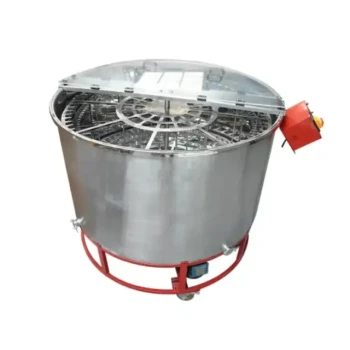
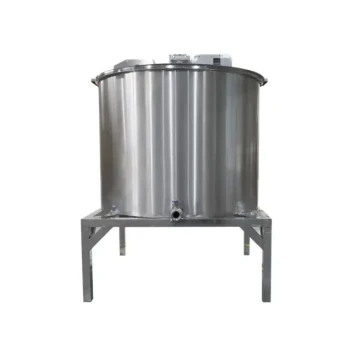
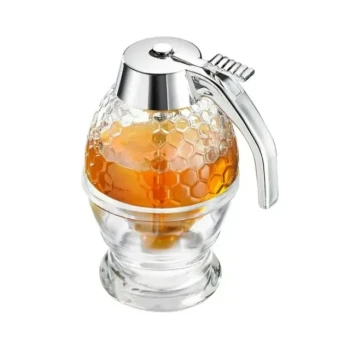
Industrial-grade honey filtration and separation systems fundamentally enhance the marketability of honey by removing physical impurities without compromising its biological value. Through multi-stage precision processes, these systems eliminate beeswax residue, larval fragments, and air bubbles that naturally occur during harvesting. Crucially, this mechanical purification is designed to preserve the honey's essential bioactive ingredients, ensuring the final product maintains its nutritional profile while achieving the high clarity and uniform texture required for commercial retail.
Core Takeaway While manual harvesting yields a raw product rich in debris, industrial filtration bridges the gap between the hive and the high-end market. It standardizes the product's physical appearance and stability—specifically by preventing uneven crystallization—while strictly adhering to food safety standards like PN-88/A-77626 to maximize commercial value.
Enhancing Physical Properties and Marketability
The primary function of industrial separation is to refine the sensory experience of the honey, transforming it from a raw agricultural output into a shelf-stable consumer product.
Achieving Superior Visual Clarity
Raw honey often contains suspended solids, including wax debris, bee body parts, and forest sediments. Precision filtration utilizes physical screening mechanisms to intercept these impurities. This results in high transparency and color uniformity, which are critical factors in consumer perception and product grading.
Stabilizing Texture and Consistency
Air bubbles and solid particles act as nucleation sites, which accelerate and complicate the crystallization process. By effectively removing these elements, industrial systems prevent uneven crystallization during storage. This ensures the honey maintains a consistent, appealing texture over a longer shelf life, which is essential for large-scale retail distribution.
Preserving Biological Integrity
A common concern in food processing is the loss of nutritional value; however, modern industrial honey systems are engineered to decouple purification from nutrient degradation.
Retention of Bioactive Compounds
Advanced processing equipment uses precise mechanical controls to clarify honey without aggressive heating or stripping it of its chemical identity. This approach preserves bioactive components unique to specific floral varieties, including vitamins, phenols, and flavonoids. The result is a product that looks processed but chemically behaves like high-quality raw honey.
Meeting Rigorous Hygiene Standards
The transition from manual to mechanical processing minimizes human contact and standardizes hygiene. Automated systems ensure the product meets specific industry benchmarks, such as the PN-88/A-77626 standard. Meeting these distinct physicochemical indicators is a prerequisite for entering formal channels, such as pharmacies and supermarket chains.
Understanding the Operational Requirements
While the benefits are clear, utilizing industrial filtration requires a commitment to precision to avoid diminishing the product's value.
The Necessity of Temperature Regulation
Filtration efficiency often correlates with viscosity, which is managed by temperature. However, operators must maintain strict temperature regulation within the equipment. Excessive heat facilitates faster filtration but risks degrading the heat-sensitive enzymes and bioactive markers that the equipment is designed to protect.
Mechanical Precision vs. Yield
High-yield extraction, such as that performed by honey centrifuges, must balance speed with the structural integrity of the honeycomb (if reusing) and the quality of the separation. Precision filter presses offer high clarity but require careful monitoring to ensure that desirable pollen content isn't inadvertently stripped alongside unwanted debris, depending on the mesh size utilized.
Making the Right Choice for Your Goal
Selecting the right filtration intensity depends on your target market and the specific botanical origin of your honey.
- If your primary focus is Mass Market Retail: Prioritize filtration systems that maximize visual transparency and shelf stability to ensure the product remains clear and uncrystallized on supermarket shelves.
- If your primary focus is Health and Wellness: Focus on equipment with precise temperature controls to certify the retention of phenols, flavonoids, and enzymatic activity.
- If your primary focus is Premium Branding: Leverage the ability to meet specific standards (like PN-88/A-77626) to validate your pricing strategy and ensure entry into specialized pharmacy channels.
Industrial filtration is not just about cleaning honey; it is a strategic tool for stabilizing your product's quality to maximize its commercial potential.
Summary Table:
| Feature | Impact on Honey Quality | Commercial Benefit |
|---|---|---|
| Physical Filtration | Removes wax, debris, and air bubbles | Superior visual clarity and transparency |
| Texture Stabilization | Prevents uneven crystallization | Consistent texture and extended shelf life |
| Nutrient Preservation | Maintains phenols, vitamins, and enzymes | Retains high nutritional and biological value |
| Hygiene Standardization | Meets PN-88/A-77626 standards | Ensures entry into pharmacies and supermarkets |
| Temperature Control | Protects heat-sensitive bioactive markers | Guarantees premium product integrity |
Elevate Your Honey Production with HONESTBEE
Transform your raw harvest into a premium, market-ready product with HONESTBEE’s professional-grade filtration and processing solutions. We specialize in supporting commercial apiaries and distributors with a comprehensive wholesale range, including:
- High-Precision Machinery: From honey-filling machines to advanced industrial filtration systems.
- Specialized Hardware: Durable hive-making equipment and honey centrifuges.
- Essential Consumables: A full spectrum of beekeeping tools and industry-standard supplies.
- Cultural Merchandise: Unique honey-themed retail products to diversify your brand.
Whether you are aiming for mass-market stability or premium health-grade purity, HONESTBEE provides the tools to scale your business efficiently.
Ready to optimize your apiary’s output? Contact us today to discuss your wholesale needs!
References
- Agnieszka Borowska. Zmiany w produkcji i handlu zagranicznym miodem w Polsce na tle krajów Unii Europejskiej i świata. DOI: 10.22630/prs.2022.22.4.13
This article is also based on technical information from HonestBee Knowledge Base .
Related Products
- Electric Double Wall Honey Filtering Machine Purifier Equipment for Honey Processing Plant
- Stainless Steel Triangle Support Honey Strainer and Filters
- Honey Concentrating and Filtering Dehumidifier Machine 2T Capacity for Honey
- Professional Stainless Steel Honey Filtering Machine with Water Bath Heating for Beekeeping
- Professional Stainless Steel Honey Filter with Support Handle
People Also Ask
- What is the process of filtering honey? A Guide to Clean, Pure, and Market-Ready Honey
- What types of equipment are used in honey filtering? Build an Efficient System for Pure, Marketable Honey
- What is the overall importance of using the right equipment in honey filtering? Boost Quality & Marketability
- Why is filtering important in honey processing, and what equipment is used? A Guide to Quality & Efficiency
- What is a potential concern associated with filtering honey? Balancing Clarity and Pollen Preservation