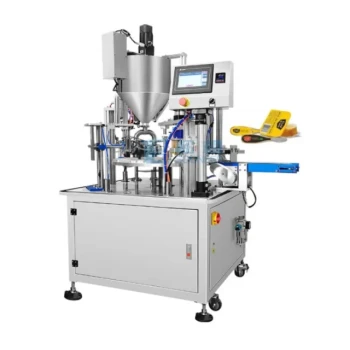
Industrial-grade honey processing and filling machines serve as the technical backbone for international market entry. They transform raw, variable apiary yields into standardized products by enabling high-volume filtration and precision filling. Crucially, these systems remove impurities while ensuring the physicochemical indicators of the honey remain stable, thereby meeting the rigorous hygiene, consistency, and supply stability requirements mandated by global export regulators.
To succeed in international trade, honey producers must prove their product is safe, consistent, and scalable. Industrial machinery bridges the gap between local beekeeping and global commerce by standardizing quality and extending shelf life through advanced processing and sealing technologies.
Achieving Product Standardization
Entering the global market requires turning a variable agricultural product into a consistent commodity.
Ensuring Physicochemical Stability
Raw honey varies significantly between harvests. Industrial lines integrate agitation and temperature control to homogenize the product. This ensures that the chemical and physical properties remain stable across massive batches, a critical requirement for export certification.
Homogenization of Flavor and Color
Buyers in international markets often demand uniformity. Processing lines allow producers to blend raw honey from multiple apiaries. This creates a unified flavor profile and color standard, increasing the added value of the final product.
Advanced Impurity Removal
Export-grade honey must be free of debris without losing its natural characteristics. Industrial filtration systems remove physical impurities efficiently. This process cleans the honey while striving to maintain its natural nutritional properties.
Meeting Stringent Regulatory Standards
Global markets, such as the European Union, enforce strict rules regarding hygiene and packaging.
Preventing Secondary Contamination
Manual handling introduces bacteria. Automatic filling machines maintain a sterile environment during the packaging process. This prevents secondary contamination, ensuring the product meets the high hygiene standards required by international health authorities.
Precision and Volume Accuracy
International trade relies on trust and compliance. High-precision quantitative filling equipment guarantees that every jar meets strict volume accuracy standards. This reliability maintains trade credibility and prevents legal issues regarding underweight products.
Extending Shelf Life for Transport
Exporting often involves long-distance maritime or land transport. Industrial equipment utilizes vacuum sealing and automated flow control to create airtight seals. This preserves the honey's quality and extends its shelf life, significantly reducing spoilage risks during transit.
Enhancing Commercial Competitiveness
Beyond quality, machinery dictates the economic viability of exports.
Meeting High-Volume Demands
Boutique production cannot satisfy global retail chains. Industrial lines provide the high throughput necessary to fulfill large-scale orders. This ensures supply stability, reassuring international buyers that you can consistently meet their inventory needs.
Branding and Packaging Flexibility
High-performance machinery supports diverse packaging designs. This allows producers to cater to specific aesthetic preferences in different regions, conveying a high-end brand image—crucial for premium varieties like Caucasian Gray Bee honey.
Understanding the Trade-offs
While automation is essential for export, it introduces specific challenges that must be managed.
Risk of Over-Processing
The drive for stability can sometimes conflict with maintaining raw quality. Aggressive filtration or excessive heating can strip honey of beneficial pollen and enzymes. Operators must carefully calibrate machinery to balance purity with the preservation of natural nutrients.
Capital vs. Flexibility
Industrial lines are high-capital investments designed for specific throughputs. This scale can reduce flexibility; changing bottle sizes or honey types often requires significant downtime for retooling, which can impact agility in a fast-changing market.
Making the Right Choice for Your Goal
- If your primary focus is Volume and Stability: Prioritize high-throughput lines with advanced flow control to ensure you can meet the supply demands of large retailers.
- If your primary focus is Premium Branding: Focus on machinery that offers diverse packaging options and gentle filtration to preserve unique flavor profiles and support high-end marketing.
Ultimately, industrial processing equipment does not just package honey; it translates local natural resources into a globally trusted, compliant, and competitive commercial product.
Summary Table:
| Key Feature | Impact on International Market Entry | Benefit for Producers |
|---|---|---|
| Homogenization | Ensures consistent physicochemical indicators | Higher added value and buyer trust |
| Sterile Filling | Prevents secondary contamination | Compliance with EU/global hygiene standards |
| Precision Filling | Guarantees volume accuracy and weight compliance | Maintains trade credibility and avoids legal risks |
| High Throughput | Enables high-volume, stable supply | Ability to fulfill large-scale retail contracts |
| Vacuum Sealing | Extends shelf life for long-distance transit | Reduces spoilage risks during maritime export |
Scale Your Apiary for the Global Stage with HONESTBEE
Transitioning from local production to international trade requires more than just high-quality honey—it requires precision engineering and reliable output. HONESTBEE specializes in empowering commercial apiaries and distributors with the industrial-grade tools necessary to dominate the market.
From advanced honey-filling machines that guarantee volume accuracy to comprehensive honey processing lines that maintain product integrity, we provide the full spectrum of beekeeping hardware and machinery. Our portfolio also includes hive-making equipment and honey-themed cultural merchandise to help you build a complete brand.
Ready to expand your reach? Contact us today to discover how our wholesale solutions can enhance your production efficiency and export competitiveness.
References
- Didik B. Purwanto, Muhamad Sahlan. Evaluation of Honey Production for Industry Purposes, The Case of Beekeeping with Apis Mellifera in Indonesia After The Covid-19 Pandemic. DOI: 10.46799/ijssr.v4i03.719
This article is also based on technical information from HonestBee Knowledge Base .
Related Products
- Fully Automatic Honey Filling Packaging Machine for Processing Line
- Precision Durable Efficient HONESTBEE Rotary Honey Filling Machine
- Automatic Honey Filling and Filtering Machine for Beekeeping Bottle Filling
- Commercial Rotary Honey Filling Machine for Production
- Economy Small Honey Filling Machine Honey Bottle Filler Packaging Machine
People Also Ask
- Why are fully automatic honey filling and packaging lines essential? Boost Your Honey's Market Value and Quality
- What is a fully-automatic honey filler? Streamline Your Production with High-Precision Automation
- How do automated honey filling and packaging machines affect profitability? Boost Margins with HONESTBEE Technology
- How do automated honey filling and packaging machines contribute to the market value of honey products? Maximize Your ROI
- How do industrial-grade automated honey filling and packaging machines mitigate the risk of physical contamination?