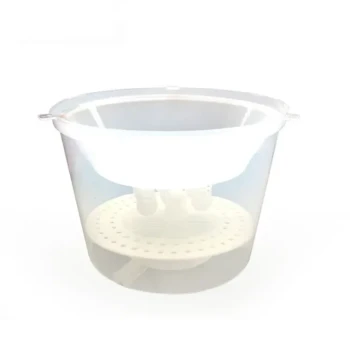
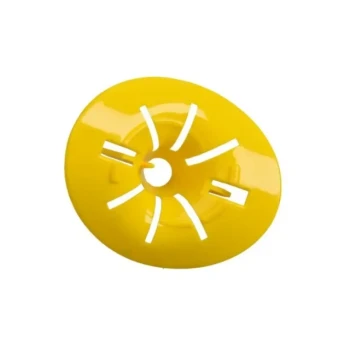
Industrial-grade pollen traps function through mechanical interception at the hive entrance, utilizing a precise physical barrier to separate pollen from foraging bees. As bees return to the hive, they are forced to navigate through a specifically calibrated aperture grid that dislodges the pollen pellets carried on their hind legs, dropping them into a collection tray for analysis.
Core Insight: By mechanically isolating pollen at the point of entry, these traps convert a biological foraging process into a quantifiable data stream. This allows operators to attribute specific pollen volumes to distinct floral blooms—such as maize or sunflower—creating an accurate timeline of landscape resource availability.
The Mechanics of Interception
Precision Aperture Grids
The core component of an industrial trap is a physical grid installed at the hive entrance.
This grid features holes with "precisely calculated apertures." These openings are large enough to allow the bee to pass through safely but small enough to brush against the bee’s hind legs.
Physical Separation
As the bee squeezes through the grid, the mechanical friction strips the pollen pellets from the "pollen baskets" on the bee's legs.
This process is designed to be non-destructive. It relies on geometric control to dislodge the payload without injuring the worker bee or impeding her movement.
The Collection Tray
Once dislodged, the pollen falls through a secondary screen into a collection tray located beneath the entrance.
This tray isolates the harvested pollen from the colony. In high-quality industrial models, these trays are designed to keep the pollen dry, preventing microbial contamination and preserving biochemical activity.
Monitoring Floral Contributions
Correlating Yield with Blooms
The primary function of these traps in a monitoring context is to quantify yield during specific time windows.
By activating traps during the blooming periods of specific crops—such as sesame, maize, or sunflowers—beekeepers can attribute the collected volume directly to those sources.
Time-Segment Sampling
Industrial traps enable the acquisition of "precise time-segment samples."
Operators can collect samples over set intervals to analyze dynamic changes in pollen quality and weight. This provides a granular view of how floral resources fluctuate across the landscape over time.
Laboratory Identification
The pollen collected serves as the essential raw material for laboratory analysis.
Researchers or commercial operators can identify specific plant species within the pellets to assess the exact floral composition of the forage area.
Understanding the Trade-offs
Efficiency vs. Colony Nutrition
Traps are generally designed to collect between 30% and 70% of the pollen brought back to the hive.
This efficiency rate is intentional. It ensures that while significant data (or product) is harvested, the colony retains sufficient pollen reserves for its own nutritional requirements and brood rearing.
Environmental Vulnerability
While industrial traps often include dry collection trays, the pollen remains vulnerable to environmental humidity.
If not harvested frequently or if the tray design is poor, moisture can degrade the pollen's biochemical markers, compromising the accuracy of the monitoring data.
Making the Right Choice for Your Goal
- If your primary focus is Commercial Production: Prioritize traps with high-capacity, dry collection trays to maximize purity and prevent spoilage during heavy flows.
- If your primary focus is Ecological Monitoring: Focus on traps that allow for easy, non-invasive activation and deactivation to facilitate precise time-segment sampling without stressing the colony.
Success in pollen monitoring relies not just on the hardware, but on the disciplined timing of collection to match local phenological cycles.
Summary Table:
| Component | Function | Strategic Benefit |
|---|---|---|
| Aperture Grid | Mechanically strips pollen from bee legs | Ensures high-purity collection without harming bees |
| Collection Tray | Isolates pollen in a dry, secure compartment | Prevents microbial contamination and preserves quality |
| Time-Segment Sampling | Enables data collection during specific blooms | Allows precise attribution of pollen to floral sources |
| Efficiency Control | Calibrated to collect 30% - 70% of total load | Balances commercial yield with colony nutritional health |
Maximize Your Yield with HONESTBEE Professional Equipment
As a dedicated partner to commercial apiaries and global distributors, HONESTBEE understands that precision is the key to profitability. Whether you are conducting ecological monitoring or scaling up commercial pollen production, our comprehensive wholesale range provides the tools you need to succeed.
From advanced pollen traps and hive-making machinery to industrial honey-filling systems, we supply the full spectrum of high-performance beekeeping hardware and essential consumables. Partner with us to streamline your operations and benefit from our industry-leading expertise.
Contact our specialists today to discuss your wholesale requirements.
References
- Hossam F. Abou‐Shaara. Potential Honey Bee Plants of Egypt. DOI: 10.1515/cerce-2015-0034
This article is also based on technical information from HonestBee Knowledge Base .
Related Products
- Removable Plastic Pollen Trap With Ventilated Tray for Bees Pollen Collector
- 30 cm Plastic Entrance Hole Bee Pollen Trap and Collector
- Plastic Bee Pollen Trap Strips Comb Catcher Collector
- High-Efficiency Diamond Maze Bee Escape for Clearing Supers
- Professional Multi-Component Bucket Wasp Trap
People Also Ask
- What are the design principles and advantages of pollen traps in the collection of bee pollen? Boost Your Apiary Yield
- What is the function of professional pollen traps in evaluating honey plants? Quantifying Pollination and Crop Potential
- What functions do pollen traps serve for bee bread production? Optimize Your Raw Material Collection
- What maintenance and pest prevention measures should be taken for pollen traps? Protect Your Hive and Harvest Quality
- How does the use of pollen traps in honeybee hives enhance crop fertilization? Boost Your Yield Through Induced Activity