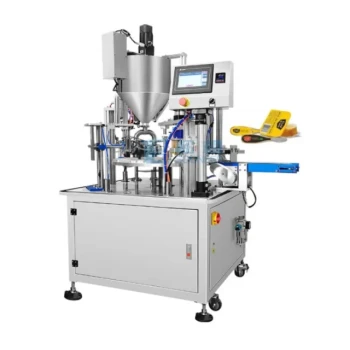
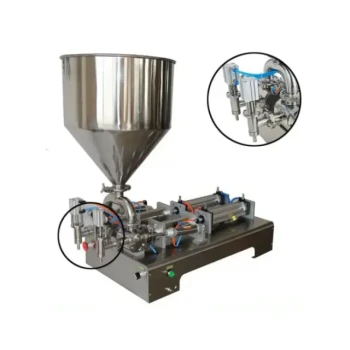
Industrial honey-filling and processing equipment fundamentally reshapes beekeeping by bridging the gap between biological stewardship and commercial viability. While these machines are physically designed for standardization and packaging, their introduction into an operation directly influences colony health by enabling precise resource management and freeing up critical labor for hive monitoring.
Core Takeaway: The true value of this technology extends beyond mere speed; it allows beekeepers to scientifically balance harvest yields against hive reserves. By automating the extraction and filling process, operations can reallocate human labor toward preventative colony care while minimizing pathogen risks through closed-loop hygiene systems.
Impact on Colony Health and Biology
Scientifically Balanced Nutrition
Industrial equipment moves harvesting from guesswork to a data-driven process. Standardized production allows beekeepers to scientifically calculate the optimal balance between the honey harvested for sale and the reserves left for the bees.
This precision prevents over-harvesting. It ensures colonies retain sufficient natural stores to maintain their nutritional status through dearth periods or winter.
Reducing Pathogen Transmission
Manual handling is a primary vector for contamination. Efficient filtration and automated filling processes significantly minimize the risk of reintroducing pathogens to the apiary.
By creating a physical barrier during processing, the equipment prevents cross-contamination that can occur when equipment or honey moves back and forth between the extraction facility and the hives.
Energy Conservation for the Hive
Modern centrifugal extractors separate honey without destroying the honeycomb structure. This preserves the integrity of the wax comb, allowing it to be returned to the hive for reuse.
This is a critical biological advantage. Because bees do not have to expend massive amounts of energy and resources rebuilding wax, they can focus that energy on brood rearing and foraging, substantially increasing overall vitality.
Operational Efficiency and Labor Allocation
Reallocating Labor to Stewardship
The most profound operational shift is the redirection of human capital. Mechanization absorbs the repetitive, time-consuming tasks of filtering and filling.
Beekeepers can dedicate this saved time to the biological needs of the operation. This includes improved monitoring of nutritional status and optimizing the timing of preventative supplemental feeding.
Enabling Vertical Integration
Automated filling machines allow operations to transition from bulk commodity sales to retail-ready products. High-precision quantitative filling ensures that products meet strict commercial standards for weight and hygiene.
This independence allows producers to capture the retail value-add at the end of the supply chain, rather than relying on intermediate traders to package the product.
Understanding the Trade-offs
The Temptation of Over-Efficiency
While machinery enables precise calculation of reserves, the speed of processing can tempt operators to maximize throughput at the expense of the colony.
It is vital to resist the urge to "clear the supers" entirely just because the machinery can handle the volume. The efficiency of the machine must never dictate the biological limits of the hive.
Capital vs. Care
Investing heavily in processing equipment requires a shift in focus toward ROI.
There is a risk that management attention shifts too heavily toward the "factory" side of the operation. Beekeepers must ensure that the standardization of the product does not lead to the standardization of hive management, as biological systems require adaptive care.
Making the Right Choice for Your Goal
To leverage this equipment effectively, you must align the technology with your specific operational focus:
- If your primary focus is Colony Health: Use the time saved by automation to increase the frequency of hive inspections and to implement a rigorous supplemental feeding schedule based on reserve calculations.
- If your primary focus is Commercial Scaling: Utilize high-precision filling and sealing machines to meet retail hygiene standards, allowing you to bypass bulk buyers and establish an independent brand.
Ultimately, industrial processing equipment should be viewed not just as a production tool, but as a labor-saving device that buys you the time to be a better biologist.
Summary Table:
| Feature | Impact on Operations | Benefit to Colony Health |
|---|---|---|
| Automated Filling | Enables retail-ready packaging & higher margins | Frees up labor for hive monitoring & biological care |
| Precision Extraction | High-speed processing & honey recovery | Preserves wax comb, saving bee energy for foraging |
| Closed-loop Systems | Maintains high hygiene & commercial standards | Minimizes pathogen cross-contamination risks |
| Resource Management | Data-driven harvesting & logistics | Ensures optimal honey reserves are left for winter |
Elevate Your Commercial Apiary with HONESTBEE
Transition from bulk selling to a premium retail brand while improving your colony stewardship. HONESTBEE specializes in supporting commercial apiaries and distributors with a comprehensive suite of professional tools.
Our portfolio includes everything from high-precision honey-filling machines and industrial hive-making equipment to essential consumables and honey-themed cultural merchandise. We provide the machinery that streamlines your production, allowing you to focus on what matters most: the health and vitality of your bees.
Ready to scale your beekeeping business? Contact our expert team today to find the perfect equipment solution for your operation.
References
- Arnold Majoroš, Maja Ivana Smodiš Škerl. Prehrambeni stres pčelinjih zajednica (<i>Apis mellifera</i> L.). DOI: 10.46419/vs.53.4.11
This article is also based on technical information from HonestBee Knowledge Base .
Related Products
- Commercial Rotary Honey Filling Machine for Production
- Precision Durable Efficient HONESTBEE Rotary Honey Filling Machine
- Fully Automatic Honey Filling Packaging Machine for Processing Line
- Economy Small Honey Filling Machine Honey Bottle Filler Packaging Machine
- Precision Automated Packaging Turntable Honey Spoon Filling Sealing Packing Machine
People Also Ask
- What role do commercial honey filling machines play in honey distribution? Scaling Efficiency and Quality Control
- What technical support do commercial-grade filling machines provide? Convert Honey NTFPs into Marketable Commodities
- What is the significance of specialized honey filling equipment? Scaling from Beekeeping to Commercial Success
- Why is professional honey filling machinery critical for honey production? Scale Your Apiary's Profit & Efficiency
- Why is high-capacity honey filling machinery necessary for Giant Honey Bees? Solve the Apis dorsata Volume Crisis