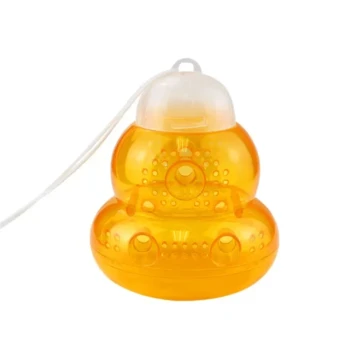
Mechanical barriers and traps act as the primary physical defense system in Integrated Hive Management (IHM). By utilizing structures like screened bottom boards, these tools physically isolate or capture pests such as wax moths and ants before they can damage the colony. This approach moves pest control away from chemical reactivity toward proactive physical exclusion.
By prioritizing physical structures over chemical treatments, mechanical controls significantly lower the need for traditional pesticides and antibiotics. This serves the dual purpose of protecting colony health while ensuring the production of residue-free honey.
The Mechanics of Physical Control
Creating Effective Barriers
Mechanical barriers are designed to physically block the entry of harmful organisms into the hive environment.
The most common example is the screened bottom board. This structure allows ventilation and waste to fall through but prevents pests from entering or re-entering the hive, effectively isolating the bees from potential threats.
Utilizing Traps for Pest Reduction
While barriers prevent entry, traps are utilized to actively capture pests that threaten the colony.
These devices target specific intruders, such as wax moths and ants. By physically capturing these pests, the traps reduce the overall population pressure on the hive without requiring the application of toxic substances directly onto the comb.
The Impact on Chemical Dependency
Reducing Pesticide and Antibiotic Use
The primary strategic value of mechanical interventions is the reduction of chemical inputs.
When physical barriers successfully manage pest levels, the beekeeper's reliance on traditional pesticides and antibiotics decreases. The colony is subjected to fewer stressors, allowing the bees to maintain health through hygiene rather than medication.
Ensuring Product Purity
The direct result of lowering chemical usage is higher quality hive products.
Because mechanical traps and barriers are non-chemical interventions, they eliminate the risk of chemical leaching. This ensures that the honey harvested remains residue-free and safe for consumption.
Understanding the Trade-offs
Proactive Setup vs. Reactive Treatment
Mechanical controls function best as preventative measures rather than emergency cures.
Unlike a pesticide which kills an active infestation immediately, barriers like screened bottom boards must be in place before the problem escalates. The trade-off is that IHM requires foresight and proper equipment installation, rather than a quick-fix chemical application after an infestation has taken hold.
Making the Right Choice for Your Hive
Implementing mechanical controls is a decision to prioritize long-term product quality over short-term convenience.
- If your primary focus is producing organic or residue-free honey: Prioritize mechanical barriers to eliminate the need for chemical applications that could contaminate the comb.
- If your primary focus is reducing colony stress: Implement traps for ants and wax moths early in the season to lower pest pressure without resorting to harsh antibiotics or pesticides.
Mechanical intervention is the cornerstone of a hive management strategy that values purity and sustainability.
Summary Table:
| Intervention Type | Primary Mechanism | Targeted Pests | Key Benefit |
|---|---|---|---|
| Mechanical Barriers | Physical exclusion (e.g., screened bottom boards) | Ants, mites, and debris | Improved ventilation; prevents re-entry |
| Mechanical Traps | Physical capture and removal | Wax moths, ants | Reduces pest population without toxins |
| Chemical Reduction | Preventive physical control | N/A | Lowers reliance on pesticides and antibiotics |
| Purity Assurance | Non-leaching materials | N/A | Ensures organic, residue-free honey harvest |
Elevate Your Beekeeping Operation with HONESTBEE
Transitioning to Integrated Hive Management (IHM) requires precision equipment that prioritizes colony health and product purity. At HONESTBEE, we specialize in supporting commercial apiaries and distributors with high-quality, wholesale beekeeping solutions. From advanced screened bottom boards and pest traps to specialized hive-making and honey-filling machinery, our comprehensive portfolio is designed to reduce your chemical dependency and maximize yield.
Whether you are scaling a commercial apiary or supplying the next generation of beekeepers, we provide the tools, consumables, and honey-themed cultural merchandise you need to succeed in a sustainable market.
Ready to upgrade your inventory with professional-grade IHM tools? Contact us today to discuss your wholesale needs!
References
- Gaylord Hlabiso, Anyway Ngirazi. Women and Entrepreneurship for Poverty Alleviation: A Case of beekeeping in Chipinge Rural Areas, Zimbabwe. DOI: 10.15580/gjbms.2016.3.080816126
This article is also based on technical information from HonestBee Knowledge Base .
Related Products
- Reusable Clear Small Hive Beetle Traps for Beehives Beetle Trapping Tools
- High Security Emlock Strap System
- Black Plastic Beetle Barn Hive Beetle Trap for Beehives
- Reusable Aluminium Beetle Trap for Small Hive Beetles Silver Bullet
- Professional Multi-Component Bucket Wasp Trap
People Also Ask
- How do small hive beetle traps contribute to colony management? Enhance Diagnostic Accuracy and Protect Hive Health
- When and how should disposable traps for small hive beetles be removed? Master Hive Hygiene and Efficiency
- Why are beetle traps less effective during winter? Seasonal Shifts in Pest Control Explained
- What is the recommended approach for managing small hive beetles in warm and tropical climates? Build a Strong Hive Defense
- What is the recommended number of beetle traps per hive? Optimize Your Hive's Beetle Defense