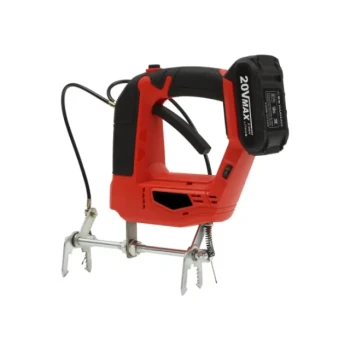
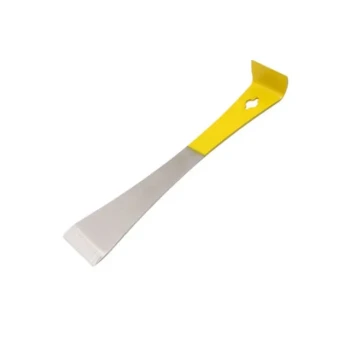
Strategic apiary location and mobility are the decisive factors in maximizing honey production and colony health. By utilizing mobile equipment to transport hives to nutrient-dense environments like restored prairies, beekeepers can extend the foraging season, directly resulting in significant colony weight gain and improved vitality.
The synergy between mobile hardware and high-quality landscape selection transforms beekeeping from a static practice into a dynamic resource management strategy. Relocating colonies to follow blooming cycles ensures continuous nutrition, driving both production volume and long-term hive resilience.
The Role of Location in Resource Accessibility
Accessing High-Quality Forage
The selection of an apiary site is the primary determinant of production capability. Location dictates the accessibility of nectar and pollen, which are the fundamental resources for honey creation. Without immediate proximity to diverse and abundant flora, a colony's production potential is severely limited.
Capitalizing on Restored Habitats
Restored prairie habitats represent a prime location choice for maximizing yield. These environments often contain a higher density of flowering plants compared to monoculture agricultural zones. Selecting these sites ensures bees have access to the high-quality forage necessary for robust health.
The Strategic Advantage of Mobile Equipment
Extending the Blooming Period
Mobile beekeeping equipment solves the problem of seasonal resource scarcity. By physically relocating colonies, beekeepers can take advantage of the extended blooming periods found in specific habitats, such as prairies in late summer. This allows the colony to forage actively when static hives might otherwise face a dearth of resources.
Connecting Hardware with Nature
Specialized mobile hardware acts as the bridge between the apiary and distant natural resources. It enables a migratory management style where the equipment supports the rapid transport of hives to follow the "honey flow." This logistical capability turns geographic diversity into a production asset.
Impact on Hive Health Indicators
The direct result of this strategic migration is measurable improvement in hive health. Colonies managed with mobile equipment to access better forage show increased colony weight gain. This weight gain is a key indicator of surplus honey production and overall colony vitality.
Ensuring Quality Beyond Location
The Impact of Hive Materials
While location drives production volume, the materials used in your equipment dictate product purity. Ecological bee materials, such as natural hive coatings, are essential for maintaining colony quality. These prevent synthetic chemicals from infiltrating the beeswax and honey.
Meeting Organic Standards
To ensure the highest quality output, mobile strategies should be paired with residue-free consumables. This approach prevents chemical contamination, which is a prerequisite for organic certification. Using environmentally friendly materials preserves the long-term biological activity and vitality of the colony.
Making the Right Choice for Your Operation
To optimize your apiary, you must balance logistical mobility with material integrity.
- If your primary focus is Maximum Yield: Prioritize mobile equipment that allows you to relocate hives to restored prairie habitats during late-summer blooms to maximize weight gain.
- If your primary focus is Product Purity: Invest in ecological, natural hive materials and residue-free consumables to meet organic standards and protect long-term colony vitality.
Mastering the logistics of mobility and the integrity of your materials ensures a thriving apiary that produces superior honey.
Summary Table:
| Factor | Impact on Production | Benefit to Colony Health |
|---|---|---|
| Strategic Location | Maximizes nectar/pollen access | Drives robust hive vitality |
| Mobile Equipment | Extends foraging seasons | Reduces resource scarcity stress |
| Restored Habitats | Increases honey weight gain | Provides nutrient-dense forage |
| Ecological Materials | Ensures product purity | Prevents chemical contamination |
Elevate Your Apiary's Performance with HONESTBEE
Maximize your honey yield and ensure the long-term vitality of your colonies with HONESTBEE. As a premier partner for commercial apiaries and distributors, we provide the full spectrum of professional tools designed for the demands of mobile and migratory beekeeping. From specialized hive-making and honey-filling machinery to high-quality, residue-free consumables and ecological hardware, our portfolio is engineered to help you master the honey flow.
Ready to scale your production? Contact us today to explore our comprehensive wholesale offerings
References
- Randall P Cass, Adam G. Dolezal. Attitudes About Honey Bees and Pollinator-Friendly Practices: A Survey of Iowan Beekeepers, Farmers, and Landowners. DOI: 10.1093/jipm/pmac027
This article is also based on technical information from HonestBee Knowledge Base .
Related Products
- High Performance Cordless Electric Bee Shaker for Beekeeping
- HONESTBEE Professional Mini J-Hook Hive Tool for Beekeeping
- Stainless Steel J Hook Hive Tool for Beekeeping
- Miniature Stainless Steel Bee Smoker for Beekeeping
- HONESTBEE 15-in-1 Beekeeper Multi-Tool with Hammer and Pliers for Beekeeping
People Also Ask
- Why is the use of a bee shaker and alcohol wash necessary? Master Accurate Varroa Mite Monitoring
- What role do efficient auxiliary tools play in managing labor resources? Maximize Apiary Output & Labor Efficiency
- What should be done with the bee sample after conducting a varroa mite count with a shaker? Post-Test Care Guide
- What is an electric bee smoker? A Guide to Automated Hive Management
- What is the function of a high-performance bee smoker in commercial apiary management? Maximize Safety & Efficiency